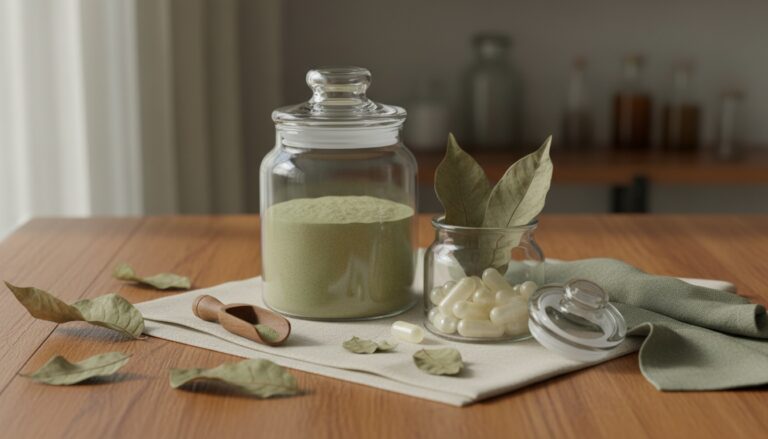



Not all kratom is created equal, and the gap between a well-made product and a mediocre one has little to do with the price tag on the label. It comes down to what happened long before that package showed up at your door — how the leaves were grown, dried, tested, and stored. Most buyers never learn to spot the difference. Here’s what actually separates the good stuff from the rest.
Why Quality Isn’t Just a Marketing Word
Buying kratom means trusting a whole chain of decisions you didn’t get to watch happen. Harvesting methods, drying techniques, lab testing, and storage conditions all shape what ends up in your jar — and they determine potency, consistency, and whether the product is even safe to use.
A lot of vendors cut corners because most customers can’t tell the difference between a well-made batch and a rushed one. Once you know the signs, though, spotting quality gets much easier.
Start With Your Eyes and Nose
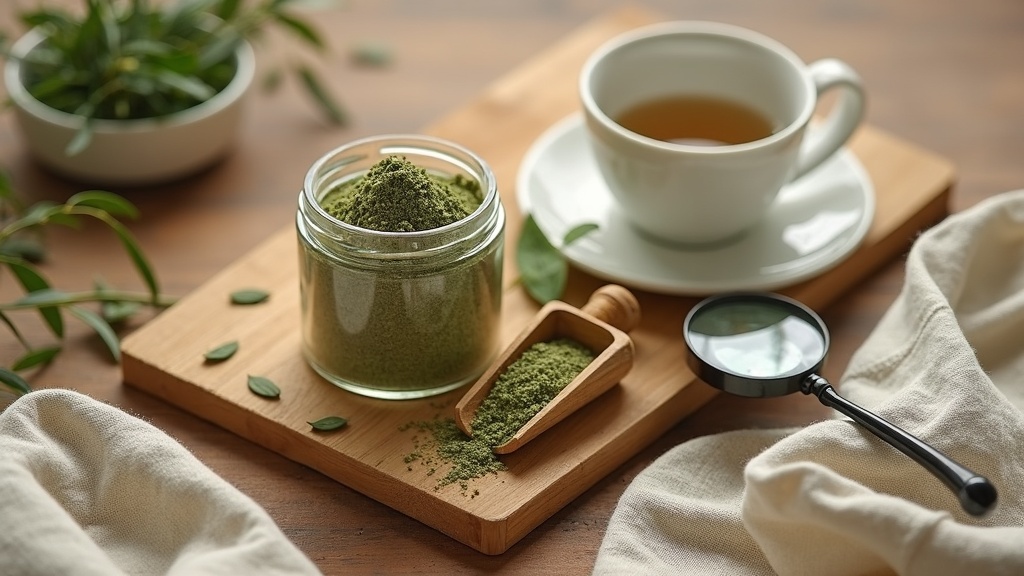
Before anything else, look at the product itself. Good kratom powder has a vibrant, consistent color — deeper for red-vein strains, brighter for greens and whites. If it looks dull or brownish, that’s usually a sign of age or poor storage.
Texture matters too. Quality powder feels fine and silky, almost like flour. Grit, visible stems, or uneven particle sizes point to sloppy processing.
Then there’s the smell. Fresh kratom has an earthy, almost grassy scent, similar to green tea. If it smells musty, chemical, or just off, don’t buy it.
Vendors Who Have Nothing to Hide
A trustworthy seller will tell you exactly where their kratom came from, how it was harvested, and how it was processed. Vague descriptions or generic marketing copy usually mean they’re not willing — or able — to share the real story.
Look specifically for a Certificate of Analysis (COA) tied to the batch you’re buying. A real COA includes:
- A batch or lot number matching your product
- A recent testing date
- A full alkaloid breakdown
- Confirmation that the product tested clean for contaminants
The best vendors make this easy to check, often with a QR code on the packaging linking straight to lab results. If a company can’t produce this information, or gets evasive when you ask, that’s a red flag worth taking seriously.
Certifications Worth Trusting
Because kratom regulation is still catching up, third-party certifications carry real weight. The American Kratom Association’s GMP Standards Program is one of the more rigorous options — it sets requirements for manufacturing, labeling, and lab verification.
This isn’t just a badge vendors slap on their website. Meeting these standards takes real investment in testing and quality control, and most vendors don’t bother. If a seller claims certification, ask what specific standards they follow. A legitimate vendor will explain it without hesitation.
Understanding Alkaloid Testing
Mitragynine and 7-hydroxymitragynine are the compounds responsible for kratom’s effects, and their levels vary naturally between strains and harvests. Quality vendors test every batch using methods like Liquid Chromatography Mass Spectrometry (LCMS), which measures these compounds precisely.
When you look at a lab report, check for a detailed alkaloid profile rather than a vague pass/fail statement. And don’t assume higher numbers automatically mean better kratom — consistency and honest labeling matter more than chasing the highest concentration.
What Contaminant Testing Should Cover
Alkaloid content is only half the picture. Serious vendors also screen for:
- Microbial contamination — bacteria, yeast, mold
- Heavy metals — lead, arsenic, mercury, cadmium
- Pesticide residue
- Synthetic additives or adulterants
This kind of testing costs money, which is exactly why some vendors skip it. If you ask about contaminant screening and get a vague answer, take that as a warning sign.
Where the Kratom Actually Comes From
Quality starts in the field, long before any testing happens. Kratom from mature trees, harvested at the right time by experienced farmers, tends to have a stronger and more consistent alkaloid profile than mass-produced plantation leaves.
Vendors who care about sourcing usually know exactly which region their kratom comes from and can explain why that area produces good leaf. If a seller can’t answer basic questions about where their product originates, that’s worth noting.
How Processing Affects the Final Product
After harvest, drying and processing make or break the batch. Traditional drying — done slowly, away from direct sun — helps preserve alkaloid content. It takes longer, but it protects the plant’s natural properties.
Faster industrial methods designed to cut costs often degrade alkaloids and raise contamination risk. Ask vendors how they dry and grind their product, and whether they follow hygiene protocols during processing. Their answers will tell you a lot about their priorities.
Packaging Isn’t Just Cosmetic
Kratom is sensitive to air, light, and moisture, and it loses potency quickly if stored poorly. Look for opaque, air-tight, resealable packaging with a clear batch number and expiration date. That combination lets you track freshness and match your product to its actual test results.
Thin, clear, or poorly sealed packaging usually means the vendor didn’t think much about shelf life — and that inattention often extends to the rest of their process.
What You’re Actually Paying For
Price by itself doesn’t guarantee quality, but there’s a real cost to doing things right. Testing, ethical sourcing, careful processing, and proper packaging all add expense. When a price seems too good to be true, something along that chain was probably skipped.
Rather than comparing cost per gram, think about what you’re getting for the money — consistency, safety, and a product that matches its label. Vendors who compete on transparency and reliability tend to build lasting trust instead of relying on rock-bottom pricing.
A Quick Reference Checklist
- Look and smell: vibrant color, fine texture, earthy aroma
- Transparency: clear sourcing info, accessible lab results
- Certifications: AKA GMP compliance or similar standards
- Testing: full alkaloid and contaminant screening
- Sourcing: direct farmer relationships, specific regional detail
- Processing: slow, traditional drying methods
- Packaging: opaque, sealed, labeled with batch numbers
- Value: pricing that reflects real quality investment
Closing Thoughts
None of this is complicated once you know what to check. The signs of quality kratom are consistent and recognizable — they’re not a matter of personal taste. Checking for them isn’t a one-time task, either; even vendors you trust should keep proving themselves batch after batch.
The more consumers ask these questions, the more pressure builds on the whole market to raise its standards. That benefits everyone who buys kratom, not just the people asking the questions.
Disclaimer: These statements have not been evaluated by the FDA. Products are not intended for use by individuals under 21 years of age and are not recommended for long-term use. Keep out of reach of children. Always consult a healthcare provider before use.
Frequently Asked Questions
How can I visually tell if kratom is premium quality?
Look for vibrant color, fine and even texture, and a fresh, earthy smell. Dull coloring, grit, or a musty odor are warning signs.
Why does vendor transparency matter?
Reliable vendors share detailed information about strain origin and harvest, along with third-party lab reports (COAs) confirming alkaloid content and contaminant testing.
What certifications should I look for?
The American Kratom Association’s GMP certification is a strong indicator of rigorous testing and safety practices.
What lab testing actually matters?
Good kratom is tested both for its alkaloid profile and for contaminants — microbes, heavy metals, pesticides, and adulterants.
Does a higher price mean better kratom?
Not necessarily, but suspiciously cheap products often skipped steps somewhere — sourcing, testing, processing, or packaging. Quality control costs money, and that’s usually reflected in the price.