


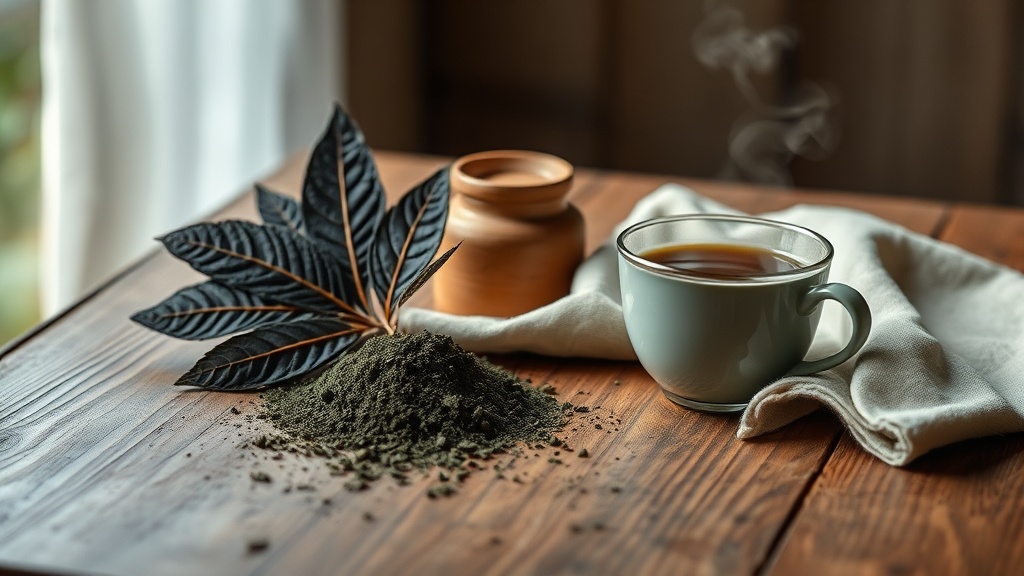
Black Vein Kratom occupies an odd spot in the market. Unlike Red, Green, or White strains, which come straight from leaves picked at different points in the growing cycle, Black Kratom doesn’t exist on the tree. Someone makes it after harvest, and how they make it changes almost everything about the final product.
If you’ve come across Black Kratom being sold as rare or premium-grade, you’re not imagining things — that’s the pitch. The name sounds unusual, the color is noticeably different from anything else on the shelf, and vendors often price it accordingly. Before you spend extra on it, though, it helps to know what’s actually happening during production and what that means for what you’re getting.
What Black Vein Kratom Really Is
Standard kratom varieties come from leaves harvested at different stages of maturity. Black Kratom skips that entirely — it’s a manufactured product, created through processing after the leaves are picked.
Two methods dominate how vendors produce it, and they lead to very different results.
The first is extended fermentation. Fresh leaves go into sealed bags, where microbial activity breaks them down slowly over a long stretch of time. It’s a more intense version of the process used to make Bentuangie kratom. During this fermentation, mitragynine can convert into 7-hydroxymitragynine, which shifts the leaf’s overall alkaloid makeup.
The second method is far simpler, and more concerning: some producers just roast kratom powder at high heat until it darkens. The color changes, sure, but the heat can also break down the alkaloids that give kratom its effects in the first place.
Both end products get sold under the same “Black Kratom” label, even though they come from completely different processes and likely deliver completely different results.
What Users Report
Because the processing varies so much, so do the reported effects. There’s no single, consistent experience tied to the Black Kratom label.
Products made through genuine fermentation tend to draw comparisons to Red Vein strains, though users often describe subtle differences in onset and duration. That tracks with what’s happening chemically — fermentation shifts the ratio of mitragynine to 7-hydroxymitragynine, which can change how the alkaloids behave.
The problem is you often can’t tell which version you bought. If a batch was roasted rather than fermented, the effects may end up weaker than a standard strain, not stronger. Heat doesn’t enhance alkaloids — it tends to break them down.
Without knowing the processing method behind a specific product, there’s really no way to predict what you’ll feel.
Why Temperature Is the Deciding Factor
Heat plays a bigger role here than most buyers realize.
Research published in the Journal of Analytical Toxicology found that 7-hydroxymitragynine starts losing potency above 104°F (40°C). Mitragynine holds up better at that temperature but still degrades under higher heat, particularly in acidic conditions.
That’s the core issue with roasting. It requires temperatures well past that threshold. Yes, it darkens the powder and creates the look vendors are after, but it can also damage the very compounds that make kratom work.
Fermentation, done properly, avoids this problem. It runs at lower temperatures over a longer period, giving the alkaloids time to convert chemically instead of simply breaking down from heat exposure.
It’s a similar idea to why kratom tea instructions warn against boiling water — too much heat wrecks the compounds you’re trying to preserve. The same logic applies to how the raw leaf gets processed before it ever reaches you.
Myths Worth Retiring
Myth: Black Kratom is a rare, natural strain.
It isn’t. There’s no tree that produces black-veined leaves. The color always comes from something done to the leaf after harvest — fermentation or roasting — not from how it grew.
Myth: Darker color means stronger effects.
Not automatically. A dark color could mean careful fermentation with a shifted alkaloid profile. It could just as easily mean the leaf got roasted and lost potency. Color by itself tells you nothing.
Myth: All Black Kratom is made the same way.
Far from it. Ask five vendors what “Black Kratom” means and you’ll likely get five different answers. Two products with identical labels can be made through completely different processes.
Myth: Black Kratom always beats standard strains in strength.
It depends entirely on how it was made. A well-fermented batch might have an altered alkaloid ratio worth trying. A roasted batch might actually underperform a standard Red or Green strain because of heat damage.
Myth: GMP certification means you’re getting full transparency.
Not quite. A large share of kratom vendors now hold GMP certification, but that standard covers manufacturing practices — it doesn’t require vendors to disclose exactly how they ferment or roast specialty products like this one.
The Lack of Industry Standards
Kratom, as an industry, has very little regulatory oversight. That gap shows up clearly with specialty products like Black Kratom.
There’s no agreed definition of what counts as “Black Kratom,” no standard fermentation time, and no required temperature controls. Producers make their own rules.
That means two vendors can sell products with the same name and get completely different results — different alkaloid content, different effects, different quality. Without detailed information from the seller, you’re essentially guessing.
Questions to Ask Before You Buy
If you’re thinking about trying Black Kratom, push for clear answers first.
- What’s your processing method — fermentation or roasting? Ask about duration and temperature specifically.
- Do you have third-party lab results? Look for actual alkaloid content, including mitragynine and 7-hydroxymitragynine levels, not just contaminant screening.
- How does this differ from your standard strains? If a vendor can’t explain how their Black Kratom compares to something like Red Bali or Red Maeng Da, that’s worth noting.
- What leaf was it made from? Red Vein, Green Vein, or a blend? The starting material matters as much as the processing.
If a vendor can’t or won’t answer these clearly, standard Red, Green, or White strains remain the safer, better-documented choice.
Our Approach at Amazing Botanicals
We focus on wild-harvested kratom, tested by third-party labs, and processed in AKA GMP-certified facilities. Transparency matters to us because you need real information to decide what’s worth buying.
When it comes to specialty processing like this, we think vendors owe customers a clear explanation of what they’re doing and why. Processing should bring out kratom’s natural qualities, not damage them.
That’s why we lean on lab testing that shows actual alkaloid content — it’s the only way to know if a processing method is working as intended or quietly degrading the product.
Bottom Line
Black Kratom can work well when it’s fermented properly by producers who understand alkaloid chemistry and keep tight control over temperature. But without any industry standards, buying it is a bit of a gamble.
You might end up with a genuinely well-made fermented product and an interesting alkaloid profile. Or you might pay a premium for roasted powder that’s weaker than a standard strain you could’ve bought for less.
An exotic name and a higher price tag don’t guarantee either quality or effectiveness. Your best protection is asking direct questions and expecting real answers. Look for vendors who back up their processing claims with lab testing — if they can’t explain how the product was made, that’s reason enough to walk away.
Standard kratom strains earned their reputation because they’re consistent and well understood. Before spending more on something marketed as rare, make sure you’re actually getting something worth the extra cost.
Frequently Asked Questions
Is Black Vein Kratom stronger than Red Vein?
Not necessarily. Properly fermented Black Kratom may carry a different alkaloid ratio, but that doesn’t automatically mean stronger effects. Roasted versions can end up weaker due to heat damage.
How does Black Kratom differ from Bentuangie?
Both rely on fermentation, but Black Kratom typically goes through a longer or more intense version of the process. Exact differences vary by vendor since there’s no industry standard.
Can I ferment kratom myself at home?
Technically, yes, but controlling temperature, moisture, and microbial activity correctly takes real expertise. Get it wrong and you risk mold or a product that simply doesn’t work.
Why does Black Kratom often cost more?
Genuine fermentation takes extra time and labor, which can justify a higher price. But some vendors charge premium prices for a simple roasting process that adds little real value.
Should someone new to kratom try Black Kratom first?
Start with standard Red, Green, or White strains. They’re more predictable and better documented. Once you know how kratom affects you, specialty varieties are worth exploring if you’re curious.
Does lab testing show a difference for Black Kratom?
Yes — lab tests measure alkaloid content, and a properly fermented product should show a different ratio than standard strains. If a vendor can’t produce these results, there’s no way to confirm their processing claims.
[…] for color changes — powder that looks paler or has taken on a grayish tone is worth a second look. Texture matters too: a gritty or heavy feel where there used to be a fine, smooth powder often […]