
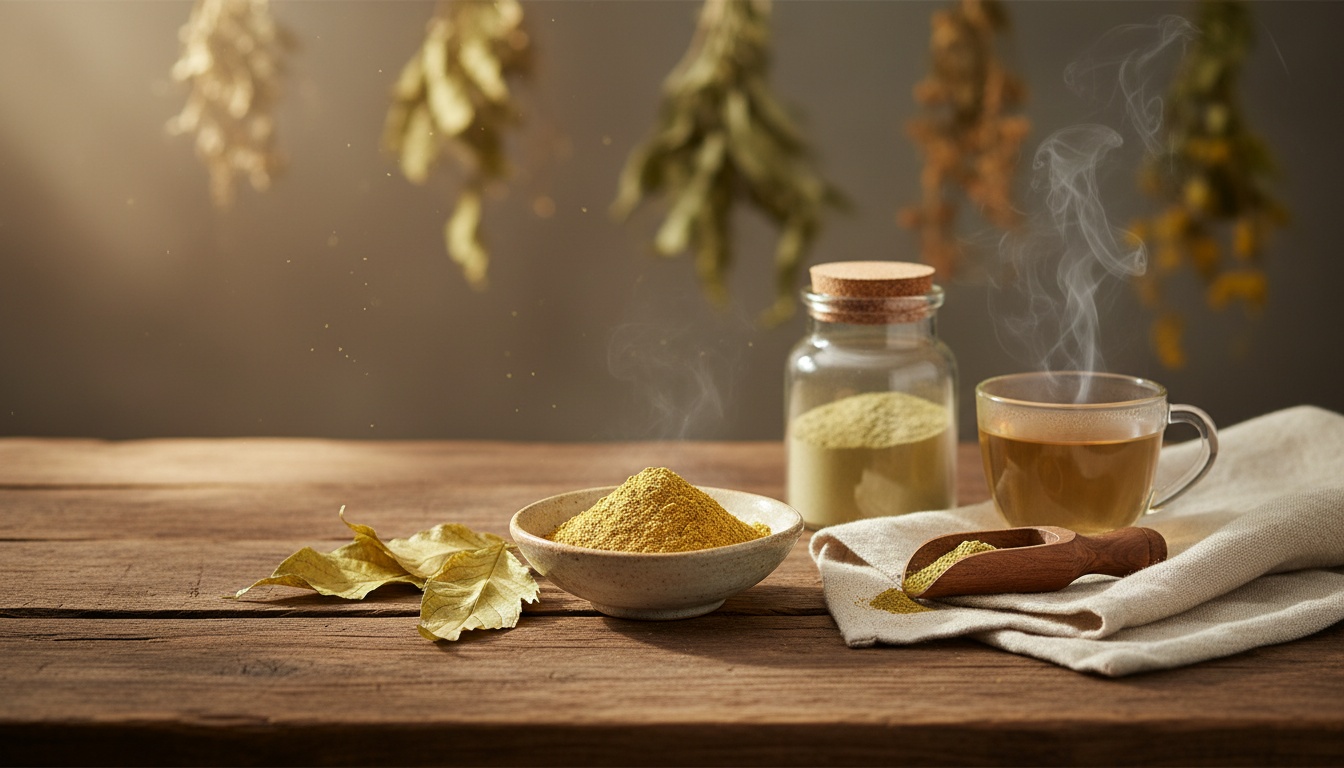
If white kratom strains feel like too much and red strains leave you too sedated, Yellow Bali sits in the gap between them. It’s built to offer steady, moderate effects rather than pushing hard in one direction — which is likely why so many regular kratom users keep it on hand.
Yellow Bali isn’t simply a color variant of an existing strain. Its processing method produces an alkaloid makeup that differs from the standard reds, greens, and whites, giving it a distinct middle-path feel. Below is a practical look at what it is, how it’s made, how to dose it, and what to look for when buying it.
What Sets Yellow Bali Apart
Red, green, and white kratom get their names from the color of the leaf’s vein at harvest. Yellow Bali is different — its color comes from processing, not the plant itself.
Farmers in Bali harvest mature kratom leaves grown in the region’s volcanic soil, then put them through an extended fermentation and drying process. This can stretch from several days to a few weeks, with growers carefully managing humidity, temperature, and drying conditions to shift the leaf’s natural alkaloid makeup.
The outcome is a strain known for a fairly even mix of effects: a bit of lift paired with a bit of calm, without swinging hard toward either one.
A study of 644 kratom users found that people do perceive real differences in effects between strains, backing up what long-time users have said for years. Yellow Bali fits into that picture as its own category — a option for people who find single-note strains too limited.
The Alkaloid Story Behind the Balance
Yellow Bali’s balanced reputation comes down to chemistry — specifically, how processing changes the ratio of its two main active compounds.
Mitragynine usually accounts for roughly 60-70% of the alkaloid content in Yellow Bali. Many users link this compound to the mood lift and energy they notice.
7-hydroxymitragynine makes up a much smaller share, around 1-2% of total alkaloids. Even at that level, it’s thought to contribute to the calming side of the experience that offsets the more stimulating effects.
The prolonged fermentation and drying process changes these compounds in ways that don’t happen with kratom that’s minimally processed. That’s what gives Yellow Bali a chemical signature different from standard reds, greens, or whites.
Growing conditions matter too. Bali’s volcanic soil, steady tropical rain, and consistent temperatures give kratom trees a strong base to develop their alkaloid content before harvest. Good raw material combined with careful processing is what produces Yellow Bali’s characteristic balance.
Dosing Yellow Bali Kratom Powder
Dosage has a big impact on how Yellow Bali feels. It’s always smarter to start low and work up rather than take too much right away.
New users: 2.5 to 4 grams is a reasonable starting point. It lets you see how your body responds without pushing too hard.
Experienced users: Many settle into a range of 4 to 6 grams. Some go higher, but effects don’t necessarily increase in proportion to the amount taken. Taking more doesn’t guarantee a better experience.
Users commonly report effects starting within 5 to 10 minutes, peaking around the 40 to 45 minute mark, and tapering off after about 3 hours total. Your own timeline will depend on your body, tolerance, and other factors.
A note on timing: Taking Yellow Bali on an empty stomach tends to produce stronger effects, though it can also upset a sensitive stomach. Taking it with a light meal softens the experience and delays onset slightly. Neither approach is objectively better — it depends on what you’re after and how your body typically reacts.
What Quality Yellow Bali Should Look Like
Quality varies a lot between vendors, so it pays to know what you’re looking for.
The kratom industry has tightened up considerably over the past decade. Roughly 87% of vendors now take part in the American Kratom Association’s GMP Standards Program, an industry effort to standardize manufacturing and processing quality.
GMP certification means a vendor follows specific manufacturing standards, verified through independent audits conducted annually. That process is meant to keep products consistent and free of contamination.
When shopping, look for:
- Third-party lab results showing alkaloid levels and confirming no contaminants
- Leaves sourced from established Indonesian farms
- GMP-certified processing facilities
- Clear information about where the strain comes from and how it’s processed
These aren’t nice-to-haves — they’re the basics for knowing what’s actually in the bag.
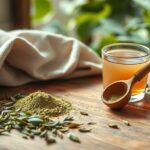
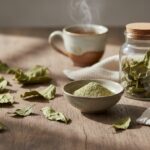
You can often tell quality by sight and smell alone. Good Yellow Bali has a fresh, earthy scent and a fine, even texture. Poor-quality product smells stale or musty and may have visible stems, veins, or inconsistent coloring.
Ways to Take Yellow Bali Powder
Powder gives you the most flexibility and the fastest results.
Toss and wash: Put the powder in your mouth and wash it down with water or juice. It’s not pleasant tasting, but it’s fast and lets you control your dose precisely.
Mixed into drinks: Blending the powder into a smoothie, shake, or juice covers up the earthy taste and is easier on the palate while still working well.
Kratom tea: A more traditional method — simmer the powder in water for 15 to 20 minutes, strain out the solids, and drink the liquid. Some people add lemon juice, which may help pull more alkaloids into the water. This tends to be gentler on the stomach.
Capsules: Yellow Bali also comes in capsule form for anyone who prefers convenience over speed. Since the body has to break down the capsule shell first, onset takes longer.
Extracts: These concentrated forms carry higher alkaloid levels and are better suited to experienced users. If you’re new to this strain, stick with regular powder until you know how it affects you.
What to Realistically Expect
Setting the right expectations makes for a better experience.
Many people notice better focus and motivation, without the jitteriness sometimes associated with white Maeng Da or other white strains. Others feel a mild sense of calm that doesn’t get in the way of getting things done. Some notice a bit of both at different points.
How it affects you depends on dose, body chemistry, tolerance, whether you’ve eaten, and even what time of day you take it.
Don’t expect:
– The same exact effects every single time
– Instant, dramatic changes
– Pharmaceutical-level precision session to session
You can reasonably expect:
– Mild shifts in energy and mood
– More predictable effects with consistent, moderate use
– A middle-ground feel between stimulating and sedating strains
The appeal of Yellow Bali is its versatility. If Red Bali feels too heavy for daytime and white strains feel too intense for sustained focus, Yellow Bali fills that gap.
Buying Quality Yellow Bali Kratom Powder
Where you buy matters as much as which strain you pick.
The U.S. kratom market now serves close to 20 million people and is worth nearly $2 billion. That growth means more options, but also more inconsistency in quality. Picking a reliable vendor protects both your experience and your safety.
Look for vendors that offer:
- Clear details on sourcing and processing
- Published lab results for every batch, from an independent third party
- Participation in the AKA GMP Standards Program
- A broad range of strains and formats, which usually signals established supplier relationships
- Straightforward, factual communication without exaggerated claims
At Amazing Botanicals, we’ve been in this business since 2014. Every batch of our Yellow Bali powder is tested by an independent lab, and our facilities hold AKA GMP certification. We source directly from established Indonesian farms and are upfront about our sourcing and processing.
Storing Yellow Bali Kratom Powder
Good storage keeps your powder potent longer and protects what you’ve spent on it.
Basic storage tips:
- Keep it in an airtight container, out of direct sunlight
- Store somewhere cool and dark — a cabinet beats a countertop
- Keep moisture out; it can cause clumping or mold
- In humid climates, a food-safe desiccant packet can help
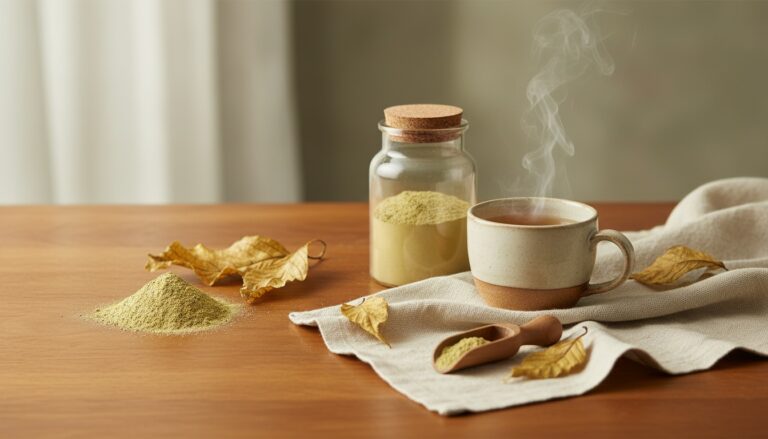
Fresh Yellow Bali has a bright green-yellow color and a strong earthy smell. Both fade over time. Older kratom isn’t necessarily unsafe, but the fading is a sign the alkaloid content is declining.
Buy only what you’ll use in a few months. Bulk buying can save money, but it’s not worth it if the powder sits around losing potency. Freshness matters a lot with kratom.
Using Yellow Bali Responsibly
Yellow Bali works best as part of a thoughtful routine, not something taken automatically every day.
Rotating strains helps keep your tolerance from creeping up. Taking the same strain at the same dose every day tends to reduce its effectiveness over time. Switching between varieties and building in breaks helps maintain the experience you want.
- Use Yellow Bali for daytime balance and focus
- Save red strains for evening wind-down
- Reserve white strains for times you need maximum alertness
- Take at least one or two days off each week
Pay attention to how your body responds. If effects start to fade, cut back or take a longer break. If something feels off, lower your dose or switch strains. Your own experience is a better guide than any general rule.
It can help to keep a simple record of dose, timing, and effects. Patterns tend to show up over weeks that aren’t obvious day to day, and that record can help you fine-tune your approach.
The goal is intentional, occasional use — not constant use.
Why Yellow Bali Is Worth Trying
Yellow Bali is a good example of traditional processing meeting modern quality controls. The fermentation and drying methods behind yellow strains come from long-standing practices in Indonesia. Responsible vendors today pair that tradition with lab testing and GMP certification, so buyers know what they’re getting.
If white strains feel too intense and red strains too sedating, Yellow Bali offers a middle path — light energy paired with mild calm, aimed at supporting your day without overwhelming it.
At Amazing Botanicals, we’ve spent over a decade refining how we source and test our products. Our Yellow Bali powder comes from trusted Indonesian farms, goes through careful quality control, and ships fresh. We think you’re entitled to know exactly what you’re buying and where it comes from.
Frequently Asked Questions
What is Yellow Bali kratom?
It’s a specialized strain made by fermenting and drying mature kratom leaves from Bali, Indonesia, for an extended period. This processing shifts the alkaloid profile toward a balance between the stimulating effects of white strains and the relaxing effects of red strains.
How is it different from Red Bali or Green Bali?
Red Bali is generally associated with relaxation, and Green Bali with moderate energy. Yellow Bali sits between them — many users describe it as gentle energy without jitteriness, combined with mild calm without heavy sedation.
What’s a good starting dose?
Beginners typically start with 2.5 to 4 grams. Experienced users often find their range between 4 and 6 grams. Start low and adjust based on how you respond.
How long do the effects last?
Effects usually start within 5 to 10 minutes, peak around 40 to 45 minutes, and taper off by roughly 3 hours. This varies by person.
Is it good for beginners?
Yes. Its balanced nature makes it a reasonable starting point since it avoids extreme stimulation or sedation, helping new users get a feel for kratom without a jarring experience.
Should I take it on an empty stomach?
An empty stomach tends to produce stronger, faster effects but can cause discomfort for some people. A light meal beforehand softens the effect and slightly delays onset. Choose based on your sensitivity and preference.
How should I store it?
Keep it in an airtight container, in a cool, dark spot, away from moisture and sunlight. A desiccant packet helps in humid climates.
Where can I buy quality Yellow Bali?
Look for vendors offering third-party lab results, GMP certification, and clear sourcing information. At Amazing Botanicals, our Yellow Bali is lab-tested, sourced from established Indonesian farms, and processed in GMP-certified facilities.