
CVS recently started running every supplement it sells through third-party testing. The result: about 7 percent failed, mostly because the product didn’t match what the label promised. That’s happening in a botanical supplement market now worth $54.41 billion a year, where quality checks still vary wildly from one brand to the next.
Blue lotus is no exception. With demand for the plant growing, buyers are left to sort through wide differences in sourcing, processing, and honesty about what’s actually in the bottle.
The Many Forms Blue Lotus Comes In
Blue lotus shows up in several formats, each with its own strength range and use case. People commonly turn to it for relaxation, though experiences vary.
- Extracts are labeled by concentration, anywhere from 10X to 200X. A higher number means more concentrated material, but manufacturing methods differ enough that two “50X” products can behave very differently.
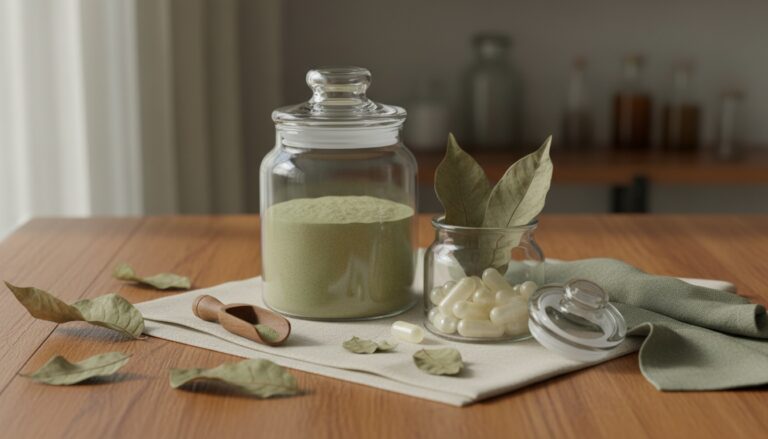
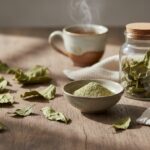
- Powders stick closer to traditional preparation. Wild-harvested powder, handled correctly, keeps more of the plant’s natural alkaloid makeup intact.
- Capsules give you a measured dose. Good ones use standardized extract so each capsule delivers roughly the same amount.
- Tinctures and liquid extracts let you adjust dosing on the fly. Alcohol-based extraction generally pulls out more plant compounds than water-based methods.
- Gummies and other edibles are easy to take but go through extra processing steps that can eat into potency and freshness.
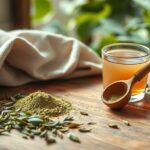
- Tea is the oldest method around — whole or crushed flower steeped as-is, keeping the full plant profile.
Signs of Real Quality Control
The FDA doesn’t pre-approve supplements before they hit shelves, which leaves a gap that serious companies fill on their own, through voluntary testing and certification.
Here’s what actually separates trustworthy sellers from the rest:
- Third-party lab testing. Look for a Certificate of Analysis (COA) you can actually access, and make sure it covers the finished product batch — not just the raw plant material before processing.
- Clear sourcing information. Knowing where the plant was grown and how it was harvested matters. Wild-harvested blue lotus from known growing regions tends to be more consistent.
- GMP certification. Programs like the American Kratom Association’s GMP certification require companies to show quality control at every stage of their supply chain.
- Careful processing. Alkaloids in blue lotus are heat-sensitive, so temperature-controlled processing helps preserve them.
- Proper storage and packaging. Botanical compounds break down with exposure to moisture and air, so freshness depends on how the product is packaged and stored after processing.
One more rule of thumb: if a price looks too low compared to everything else on the market, something in the supply chain probably got cut.
Where You Buy Matters
Online retailers usually offer the widest selection and the most product detail. Established botanical companies tend to publish lab results and sourcing information up front, along with real customer support.
Local smoke shops are convenient, but verification is inconsistent — quality depends entirely on which shop you walk into.
Health food stores fall somewhere in between. Some carry vetted products; others just stock whatever their distributor sends them.
Buying direct from the manufacturer often gives you the freshest product, since companies that control their own supply chain can vouch for it more directly.
Amazon has also started requiring third-party verification for dietary supplements sold on its platform — a sign that even large marketplaces are catching up to the need for outside testing.
Reading Marketing Claims Correctly
Companies that take quality seriously tend to talk carefully. You’ll see phrases like “commonly associated with” or “historically used for,” not flat promises about what the product will do for you.
Be wary of anything guaranteeing results, leaning heavily on vague wellness language, or making claims that sound suspiciously specific. Brands worth trusting usually spend more time explaining their testing process, their sourcing relationships, and how the product is made than hyping up effects.
Look, too, for companies that talk about responsible use and provide some kind of education alongside the sale — not just a checkout page.
How to Actually Choose a Product
- Decide on your preferred form and starting potency first. If you’re new to blue lotus, start with something lower-concentration so you can gauge your own response.
- Ask whether the company provides a COA for the specific batch you’re buying. A generic or missing COA is a warning sign.
- Check for real sourcing detail — companies with direct relationships to growers tend to have tighter quality control.
- Weigh the full picture, not just price. Testing, proper storage, and responsive customer service are worth paying for.
- Read reviews with an eye toward consistency over time, not just whether people liked the effects. Long-term customers usually give you a better sense of reliability.
How Quality Testing Actually Works
Third-party labs check botanical products for heavy metals, microbial contamination, pesticides, and alkaloid content. The companies worth buying from test every batch that goes out the door, not just occasional samples — and they can hand you a COA tied to that specific batch, not a generic document from months earlier.
Some go further and verify potency and alkaloid profiles beyond basic safety screening, which helps ensure the product performs the same way from one purchase to the next.
GMP-certified facilities follow set procedures for handling, processing, and packaging — a sign of systematic quality control rather than something done on an ad-hoc basis.
The industry as a whole is slowly moving toward higher standards, and the companies investing in real testing now are the ones building trust for the long run. Every purchase decision plays a small part in pushing that trend forward — buying from transparent, tested sources rewards the practices that actually protect consumers.
Common Questions
What’s the difference between 10X and 200X extracts?
The number refers to concentration strength — 200X is more concentrated than 10X, and typically calls for a smaller serving. But processing methods differ between manufacturers, so the numbers aren’t perfectly comparable across brands.
How can I tell if a blue lotus product is actually high quality?
Check for accessible third-party lab testing, GMP certification, clear sourcing information, and sound processing standards. Be suspicious of unusually cheap products.
What’s the best form for a first-time user?
Lower-concentration options like traditional tea or standardized capsules are a reasonable starting point before moving to stronger extracts.
Is blue lotus legal?
It’s legal in most places, but rules vary by location, so check your local regulations before buying.
How should I store it?
Keep it in a cool, dry spot out of direct sunlight. Good packaging helps prevent the moisture and oxidation that degrade botanical compounds over time.
What’s the difference between wild-harvested and cultivated blue lotus?
Wild-harvested plants from established growing regions tend to be more consistent and retain more of the natural alkaloid profile when processed properly.
Should I buy online or in person?
Online sellers usually offer more product detail and lab documentation. Local shops are convenient but often skip rigorous testing.
What are the biggest red flags?
Guaranteed results, heavy wellness-speak, missing lab reports, or prices that seem too good to be true.
Do I really need to see a COA?
Yes. A batch-specific COA showing tests for heavy metals, microbials, pesticides, and alkaloid content is the clearest sign a company takes quality seriously.
How often should companies test their products?
Ideally, every batch — not just occasional samples. That’s the only way to be sure what you’re buying matches what was tested.