


Most people who buy kratom never set foot on the farms where it’s grown. They order online, hope for the best, and trust whatever the label says. But labels don’t guarantee anything, and not every vendor plays by the same rules. Once you start digging into how kratom actually gets from farm to package, the differences between products that look identical on a shelf become impossible to ignore.
Quality swings wildly from one supplier to the next. Contamination, inconsistent potency, and vague sourcing plague products that seem interchangeable at first glance. Figuring out which kratom is actually worth buying takes more than memorizing strain names and comparing prices. Here’s what separates buyers who know what they’re looking at from those who are just guessing.
What Growing Your Own Teaches You
You don’t need to grow kratom yourself to buy it well, but understanding what cultivation actually requires makes you a sharper shopper.
There are three ways to start: seeds, cuttings, or mature plants. Seeds are the least reliable option — they lose viability fast once outside Southeast Asia, and success rates stay low no matter what a seller promises. Cuttings need propagation skills most home growers simply don’t have. Mature plants are the most workable starting point, but even then, you’re fighting to recreate conditions that occur naturally in Indonesia.
Temperature and humidity aren’t flexible. Kratom needs 70-90°F and humidity in the 70-80% range to stay healthy. Drop below 60°F and the plant starts struggling; below 50°F for any stretch of time, it dies. Growing indoors means investing in a sealed greenhouse, humidity control, proper grow lighting, and constant monitoring.
Feeding the plant matters too. Fish and seaweed fertilizers, coffee grounds, and hay give kratom the nitrogen it needs without the chemical residue that synthetic fertilizers can leave behind. Soil pH should sit between 5.5 and 6.5 — stray outside that range and you risk nutrient deficiencies that hurt alkaloid development.
Most people who try this find out the hard way: recreating Indonesian growing conditions at home costs more than just buying quality kratom outright. But going through the exercise, even mentally, teaches you what to look for when evaluating what’s already on the market.
Eight Things That Actually Signal Quality
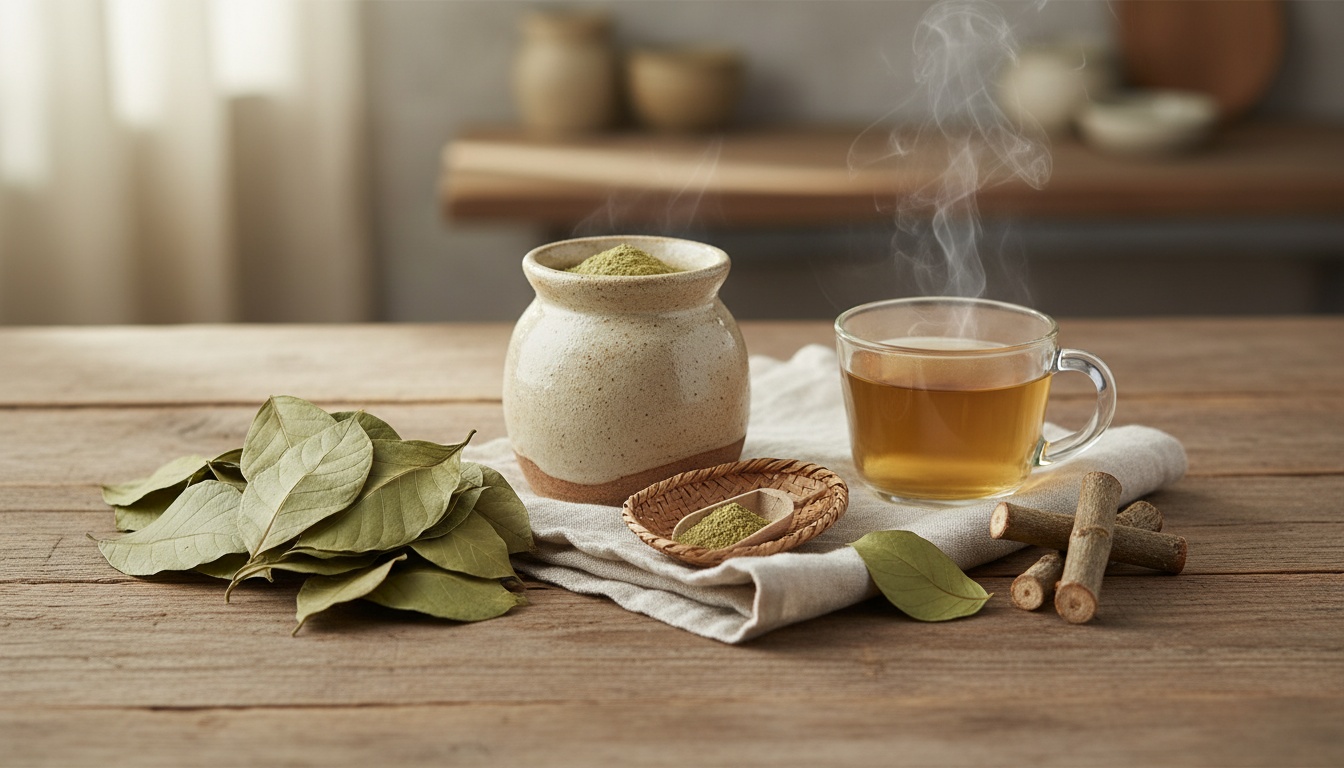
Start with what you can see. Good kratom has a consistent color that matches its vein type, a fine texture with no stems or grit, and a fresh, earthy smell. If it smells stale or looks inconsistent, that’s usually a sign of poor processing or storage.
Transparency is the next test. Vendors who are confident in their product will tell you where it came from, when it was harvested, how it was processed, and they’ll hand over lab results without you having to ask twice.
Certifications carry real weight here. AKA GMP certification means a vendor submits to annual third-party audits covering safety, testing, and manufacturing practices — not a rubber stamp, but an actual outside check. Lab testing using Liquid Chromatography Mass Spectrometry gives precise readings on mitragynine and 7-hydroxymitragynine levels, which tells you what to expect from the product in terms of strength and consistency. Testing should also screen for microbes, heavy metals, and other contaminants — problems that show up disproportionately in products from suppliers who skip proper oversight.
Beyond the lab work, look at how the kratom was sourced and processed. Ethical sourcing means fair treatment of the Indonesian farmers who grow it and harvesting practices that don’t strip the land. Traditional processing methods tend to preserve alkaloid content better than rushed industrial shortcuts. And packaging matters more than people realize — kratom exposed to light, air, or moisture loses potency fast, so protective packaging isn’t just cosmetic.
None of these factors alone tells the whole story. Together, they reveal quality gaps that a quick glance at the powder would never show you.
Online or In Person: Where to Actually Buy
Buying online and buying from a physical shop each come with tradeoffs.
Online vendors generally win on consistency. Many maintain direct relationships with farmers, which gives them more control over quality, and they tend to offer a wider range of strains and potencies than a local shop could ever stock economically. Pricing is often more competitive too, since online sellers don’t carry the overhead of a storefront. And most publish detailed product information — lab results, sourcing details, customer reviews — that lets you actually evaluate what you’re buying before you commit.
Physical shops have their own appeal. You get the product immediately, you can talk to someone face to face, and there’s a sense of community that online shopping doesn’t replicate. But local shops often carry a narrower selection, and because their inventory moves slower, what’s on the shelf may not be as fresh as what a high-volume online vendor ships out.
Customer support is another point in favor of established online vendors — many employ staff who actually understand the product, rather than general retail employees who might not. Return policies also tend to be more forgiving online, especially with vendors who understand that kratom quality concerns are specific and legitimate.
Price is worth paying attention to, but not in isolation. A price that seems too good to be true usually is — it often means diluted product or skipped testing. On the flip side, a sky-high price doesn’t automatically mean better quality; sometimes it just means better marketing. Knowing roughly what fair market pricing looks like — pricing that accounts for real testing costs and ethical sourcing — helps you spot both extremes.
Why Your Choices as a Buyer Matter
Lab testing and quality verification shouldn’t be treated as a bonus feature — they should be the baseline. The kratom market has a real consistency problem, and products that look similar can vary enormously in alkaloid content, potency, and contamination risk. Buyers who take the time to learn what quality looks like end up rewarding the vendors doing this right, which pushes the rest of the market to catch up.
Every purchase is a small vote. Choosing a vendor that invests in AKA GMP certification, real testing, and transparent sourcing supports the kind of business that deserves to stay in this market — as opposed to one cutting corners to protect profit margins. The gap between buyers who know what to look for and those who don’t is exactly what lets low-quality operators keep operating.
Closing that gap benefits everyone, not just the individual buyer. Learning to evaluate kratom quality takes some trial, error, and comparison — but it pays off in fewer disappointments and better access to what the market actually has to offer at its best.
The Bottom Line
Buying kratom well starts with knowing what quality actually looks like, understanding where to find it, and being willing to verify a vendor’s claims instead of taking their word for it. The information is out there. The tools exist. What you do with them is up to you.
Frequently Asked Questions
Can I successfully grow kratom at home in the United States?
It’s possible, but expensive and difficult. Kratom needs steady tropical conditions — 70-90°F and 70-80% humidity — which usually means investing in a greenhouse and humidity control systems. Most people find it costs more than just buying quality kratom.
What’s the most important factor when choosing a kratom vendor?
Look for AKA GMP certification and independent lab testing. Those are strong signs a vendor takes safety and quality seriously. Be wary of anyone who won’t readily share lab results or sourcing details.
Why do kratom prices vary so much between vendors?
Price differences usually reflect real cost differences — testing, ethical sourcing, and proper processing all cost money. Extremely cheap kratom often means shortcuts were taken; extremely expensive kratom doesn’t automatically mean better quality either.
Should I buy kratom online or from a local shop?
Online vendors tend to offer more consistent quality, wider selection, and more thorough testing thanks to direct farmer relationships. Local shops offer convenience and face-to-face interaction, but often have smaller selections and slower-moving, potentially less fresh inventory.
Can I tell kratom quality just by looking at it?
You can get some clues — consistent color, fine texture, fresh smell — but that’s not enough on its own. Real quality verification requires lab testing for alkaloid content and contaminants.