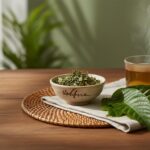

Step through the door of a kava bar for the first time, and it’s clear right away this isn’t a coffee shop or a typical bar. Soft lighting, island-style décor, bamboo furniture, tropical plants, and artwork honoring Pacific Islander culture set a tone that’s relaxed but still social. Conversations hum quietly in the background rather than competing with blaring music or clinking glasses.
So what actually goes on inside one of these places, and what should someone walking in for the first time expect? Here’s a rundown of the experience, from the culture behind it to the practical details of ordering a drink.
A Cultural Experience, Not Just a Drink
Good kava bars take the traditional roots of the drink seriously. Staff often greet customers with “Bula,” the Fijian word for “life,” a small gesture that ties the visit back to the plant’s long history in Pacific Islander communities.
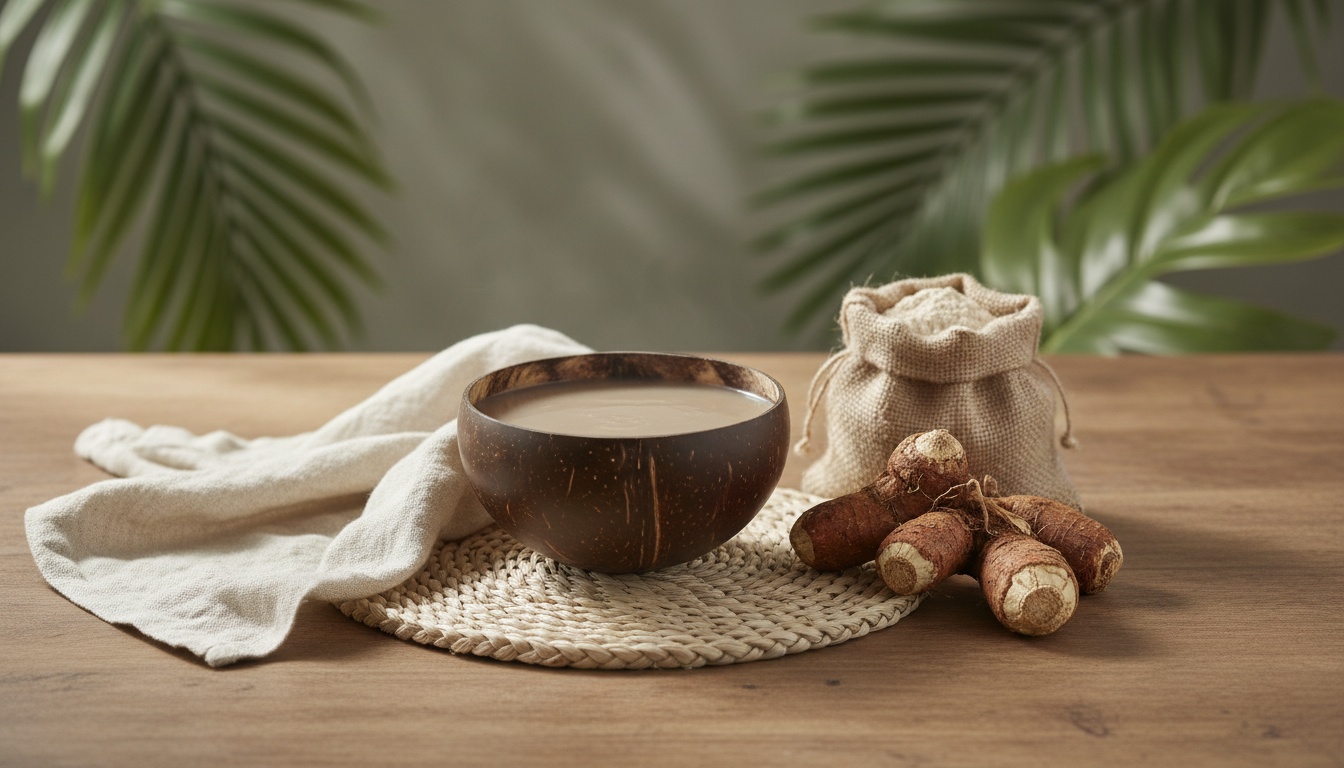
Many bars serve kava the traditional way, in coconut shells called bilos, keeping alive a ceremonial practice that goes back thousands of years. That kind of detail is what separates a real kava bar from a generic wellness café.
Education is usually part of the deal too. Expect to see information posted about different kava varieties, where they come from, and how they’re traditionally prepared. Staff members tend to know a lot about the plant’s background and are happy to talk about it.
It’s common to overhear customers deep in conversation about botanicals, wellness, or just life in general. The setting seems to invite that kind of talk rather than small talk that goes nowhere.
What’s on the Menu
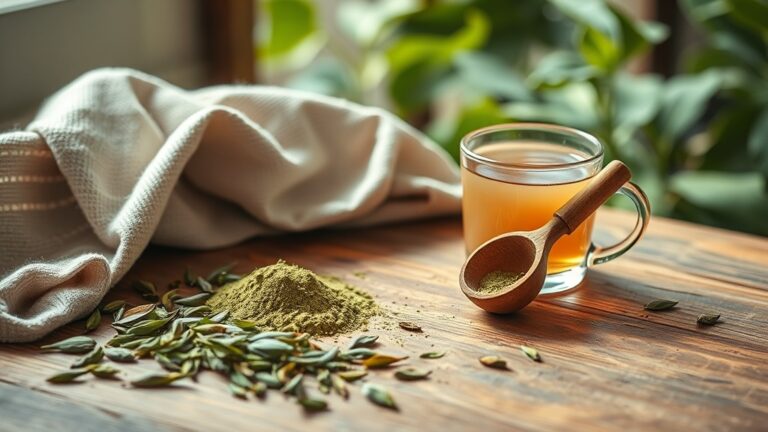
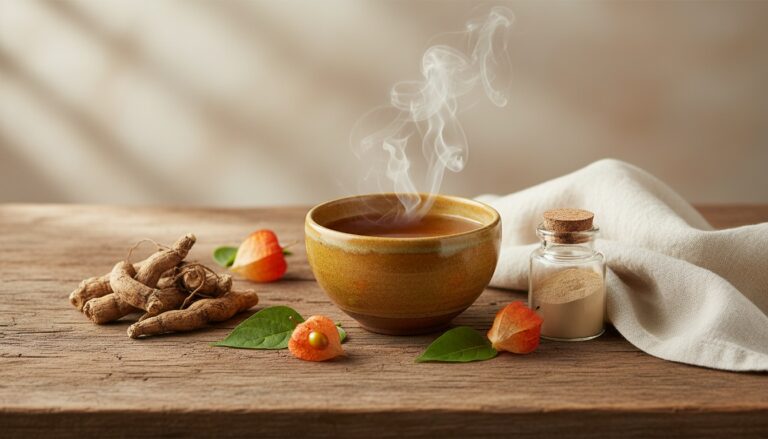
Kava bars usually offer several ways to try the plant. Fresh kava is the most traditional option — ground root strained through cloth, prepared much the way it has been for generations. Proper tools for that process help pull the right compounds from the root and make for a better drink.
For people who aren’t ready for the earthy, slightly bitter taste of traditional kava, many bars also offer capsules, tinctures, or flavored drinks. That taste catches a lot of newcomers off guard the first time.
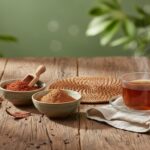
Most menus don’t stop at kava, either. You’ll often find kratom, herbal teas, CBD drinks, and inventive mocktails alongside it, giving customers room to experiment with different botanicals depending on what they’re looking for that day.
Some bars even run classes on kava preparation, walking customers through traditional brewing along with newer variations. These sessions double as a way to build community while teaching people how to prepare kava properly at home.
Who Shows Up
The crowd at a kava bar tends to be a mix — people drawn together by an interest in natural alternatives to alcohol rather than any one demographic. You might see people winding down after work, students hitting the books, artists working, or retirees just checking out a new spot.
Part of what’s driving this mix is the broader move away from drinking. Roughly 30% of Americans took part in Dry January in 2025, a jump of 36% over the year before. That shift has made room for spaces built around socializing without alcohol.
Regulars often get to know the staff and other customers, and over time those connections turn into something like a community. Plenty of kava bars lean into that, hosting events and discussions that bring people back beyond just grabbing a drink.
The pace is slower than at a typical bar. Conversations tend to run longer and go deeper, which lines up with the calming effects people associate with kava.
What to Expect Your First Time
Most kava bars are set up to welcome newcomers without rushing them. Staff will usually ask how much experience you have and walk you through the options before you order anything.
First-timers often start small to see how their body responds. Interestingly, many regular users say kava’s effects actually become more noticeable the more they drink it over time, something often called “reverse tolerance.”
The taste takes some getting used to. It’s earthy, a little numbing, and not sweet in the way most drinks are. If that sounds off-putting, flavored versions or chasers are usually available to soften the experience.
People commonly describe feeling relaxed, mildly euphoric, and more at ease socially after drinking kava, without the mental fog that comes with alcohol. But don’t expect anything instant — the effects build gradually, usually over 30 to 60 minutes, so the whole experience unfolds slowly rather than hitting all at once.
The Space Itself
A well-run kava bar sits somewhere between a coffee shop and a lounge. Florida alone is home to 56 of the roughly 100 kava bars in the U.S., and many of those take advantage of the climate with outdoor seating.
Inside, comfort is usually the priority — communal tables for bigger groups, quieter corners for smaller conversations. Some bars bring in live music, art, or cultural events tied to Pacific Islander traditions, giving American customers a taste of that heritage in a format that feels familiar.
Lighting and sound are kept low-key on purpose. It’s neither the fluorescent brightness of a coffee shop nor the volume of a nightclub — just enough ambiance to keep things relaxed.
What It Costs
Prices swing depending on location, how the kava is prepared, and how big the serving is. Fresh, traditionally prepared kava usually costs less than specialty or flavored drinks.
Many bars run loyalty programs, happy hour deals, or discounts for buying in bulk. Some even offer memberships that bundle in discounts along with access to educational events.
The value isn’t just in the drink itself — it’s in the social scene, the education, and the sense of community that comes with regular visits. Compared to a night out drinking, a lot of customers find kava bars a better deal overall, since there’s no hangover to plan around and no need for a ride home.
Basic Etiquette
The vibe at most kava bars is casual but respectful. Staff generally appreciate customers who show real interest in the cultural side of things rather than treating it like just another drink order.
Patience matters here. Preparation takes time, and the effects come on slowly, so trying to rush through it usually leads to disappointment.
Questions are welcome almost everywhere — staff tend to enjoy explaining products, preparation, and the cultural background behind them. And even though kava is a natural product, moderation still matters. Most bars will guide you on serving sizes and spacing out drinks.
Why the Business Model Works
Part of what makes kava bars able to offer this kind of experience comes down to how they’re run. They don’t face the same licensing hurdles or regulatory hoops that alcohol-serving venues do, which keeps overhead lower and lets owners focus more on atmosphere and product.
The market backs up the interest: kava sales were valued at around $1.61 billion in 2024, with projections putting that figure at $5.45 billion by 2032. That kind of growth points to real, sustained demand.
Many bars serve both ends of the day — people wanting focus and energy earlier on, and those looking to unwind in the evening. Revenue tends to come from a mix of fresh drinks, retail products, classes, and special events, giving each bar several ways to keep customers coming back. For anyone wanting to try kava at home, look for online retailers that test their products through third parties and follow GMP standards.
How It Differs by Region
The kava bar experience isn’t the same everywhere. Florida’s heavy concentration of bars has created a competitive market with a wide range of styles and specialties.
On the West Coast, bars often lean into wellness and lifestyle branding. East Coast spots tend to focus more on the social and community side of things.
Local regulations also shape what’s on the menu — some regions allow a wide mix of botanicals, while others stick closely to traditional kava. It’s worth checking local rules before assuming every bar offers the same lineup.
Getting Ready for Your Visit
Most kava bars keep hours that split the difference between a coffee shop and a nightlife spot. Checking hours and any scheduled events ahead of time helps you plan a good visit.
Many bars keep active social media accounts or websites with current menus, pricing, and background info — useful for first-timers who want to know what they’re walking into.
Go in with an open mind and a willingness to ask questions. The cultural and educational side of the visit is often just as worthwhile as the drink itself. If it’s your first time, consider going during a slower period so staff have more time to talk you through everything.
Kava bars offer something genuinely different from typical nightlife — a place built around relaxation, conversation, and cultural learning, aimed at people looking for a more mindful way to socialize.
Frequently Asked Questions
What does kava taste like?
Earthy and slightly bitter, with a numbing sensation. Most first-timers aren’t expecting it, but flavored versions and chasers are widely available.
How much does kava cost at a bar?
It depends on the location and preparation method. Traditional fresh kava usually runs cheaper than specialty or flavored drinks, and many bars offer happy hour pricing or loyalty discounts.
Is kava safe to drink?
It’s been consumed for thousands of years across Pacific Islander cultures. Reputable bars use lab-tested kava and can advise on serving sizes. If you have health concerns, check with a doctor first.
Can I drive after drinking kava?
Most people feel relaxed but clear-headed, though everyone responds differently. If you feel impaired at all, don’t get behind the wheel.
What should I expect my first time?
Staff will usually ask about your experience level and explain your options. Start small, and expect effects to build gradually over 30 to 60 minutes.
Do kava bars serve food?
Many offer light snacks, herbal teas, and mocktails — some have fuller menus, others stick to drinks. A few also carry botanical edibles, gummies, or blue lotus products alongside kava.
What’s the difference between kava and kratom?
Kava is generally linked to relaxation and easier socializing, while kratom is more often used for focus and energy. Many bars carry both, and different kratom strains — red for relaxation, white for energy — offer different effects.
Are kava bars loud like regular bars?
Not usually. The atmosphere is built for conversation, and the overall pace is slower and calmer than a typical night out.