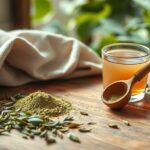





More pet owners are looking to plants and herbs to support their dogs’ health, the same way they might reach for natural remedies themselves. It’s a reasonable instinct — many botanicals have a long history of use in human wellness. But dogs aren’t small humans, and what helps a person can seriously harm a dog. Knowing the difference matters.
Why Botanicals Are Worth Understanding
Dogs and humans share more biological overlap than most people realize, including how their bodies process certain plant compounds. That’s part of why natural pet care has grown so much — owners want gentler, plant-based options for their dogs, but they also want to avoid mistakes that could hurt them.
The real work here isn’t finding botanicals that sound promising. It’s learning which ones are actually safe for a dog’s body and which ones aren’t worth the risk.
Botanicals Some Owners Use With Their Dogs
Oregano
This common kitchen herb contains antioxidants, and some owners use small amounts for its reputed antibacterial and antifungal qualities. Its fiber content may also support digestion in small doses. As with any new addition, start small and watch how your dog reacts.
Mint
Mint gets used mainly for fresh breath and to ease mild motion sickness on car trips. Its cooling effect may also settle a queasy stomach. The catch is that not all mint varieties are dog-safe — spearmint and peppermint in small amounts are generally fine, but other varieties should be avoided unless a vet says otherwise.
Turmeric
Turmeric’s active compound, curcumin, has drawn interest for its potential to ease inflammation, which is why some owners give it to dogs with joint stiffness or mobility issues. It absorbs better when paired with a bit of black pepper and healthy fat, but getting the ratio wrong can cause problems, so precision matters more than enthusiasm here.
CBD and Dogs
Dogs have an endocannabinoid system similar to ours, which is why CBD has become a popular option for dogs dealing with stress or discomfort. Many owners say a quality product helps their dog settle down without any sedative or intoxicating effect, and unlike some compounds, CBD doesn’t seem to require increasing doses over time to keep working.
The bigger issue is quality control — CBD products vary enormously in purity and potency. Stick to products made specifically for pets, with clear dosing instructions and independent lab test results you can actually check.
Where Kratom Fits In
Kratom is a much murkier topic. Clinical research on dogs is thin, and while some early observations suggest it may not carry major toxicity risks in controlled use, there’s nowhere near enough evidence to call it established or routine.
Some owners who’ve tried it report their dogs seem more comfortable or energetic, but effects depend heavily on dose, strain, and the individual dog — there’s no reliable formula. If you’re even considering kratom for your dog, talk to a veterinarian first, in depth, before doing anything. Human kratom products (powders, capsules, extracts) aren’t interchangeable with whatever might be appropriate for a dog, if anything is.
Botanicals to Keep Away From Your Dog
Some plants that are harmless — or even beneficial — for people are genuinely dangerous for dogs:
- Nutmeg can cause neurological symptoms like disorientation, along with digestive upset, even in small amounts.
- Onion and garlic (in larger quantities) damage red blood cells and can lead to anemia. Occasional tiny exposure may not cause visible harm, but repeated exposure adds up.
- Cocoa and chocolate contain compounds toxic to dogs, and it doesn’t take much cocoa to cause a problem.
- Black pepper in any meaningful quantity can irritate a dog’s digestive system.
- Grapes and raisins can cause kidney failure in dogs and should never appear in any homemade remedy or treat.
How to Introduce Botanicals Safely
Talk to your veterinarian before trying anything new. They can flag interactions with medications or existing health conditions you might not think to ask about.
Once you have the go-ahead, start with a small amount. Dogs are smaller than us and more sensitive to dosing errors, and individual tolerance varies a lot from one dog to the next.
Watch your dog closely after introducing anything — changes in appetite, energy, behavior, or bathroom habits are worth noting. Keep a simple log so you can share specifics with your vet.
Buy from suppliers who publish lab testing and sourcing information. The quality bar that applies to human supplements should apply here too.
What Quality Actually Looks Like
Pet botanical products vary just as much in quality as human ones. Look for independent lab testing and transparency about where ingredients come from.
Wild-harvested botanicals are often more potent than farmed versions, but how they’re processed afterward matters just as much as where they came from. Manufacturing in a GMP-certified facility is a decent signal that a company takes safety and consistency seriously.
Skip anything padded with unnecessary fillers, artificial colors, or preservatives — none of that helps your dog.
Keep Your Vet in the Loop
Find a veterinarian who’s comfortable discussing both conventional treatment and natural or integrative options. That combination gives you the best shot at catching problems early.
Tell your vet about everything you’re giving your dog, even things that seem harmless. They can’t watch for interactions they don’t know about.
If you start using botanicals regularly, more frequent check-ins with your vet are worth the extra effort — it’s easier to catch a problem early than to fix one after it’s developed.
Where This Is Headed
Interest in natural pet care keeps growing, and it’s likely more botanicals will get real scientific attention as research continues. This mirrors a broader trend of applying human wellness practices to pets — sometimes reasonably, sometimes without enough evidence behind it yet.
Anecdotes from other pet owners can be a starting point for curiosity, but they shouldn’t replace actual research or your vet’s judgment. What worked for someone else’s dog isn’t a guarantee for yours.
Bringing It All Together
Every dog is different. Age, size, breed, health history, and current medications all shape what’s appropriate — there’s no one-size-fits-all list.
Botanicals should support good veterinary care, not substitute for it. They work best alongside solid nutrition, regular exercise, and routine check-ups, not as a stand-alone fix.
If you’re curious about trying something new with your dog, the best first step is a conversation with your vet. Natural options can be part of a thoughtful care plan, but only when paired with good information and professional guidance.
Frequently Asked Questions
How do I know if a botanical is safe for my dog?
Check with your vet first, and avoid anything on known danger lists. Look for products with independent lab testing.
What’s the safest way to start?
Get vet approval, start with a small amount, and watch closely for any changes.
Can I just give my dog what I use myself?
No. Dogs metabolize things differently. Use products made and dosed specifically for pets.
How long before I’d notice an effect?
It varies by botanical and by dog — some owners notice changes within days, others after a few weeks.
What symptoms mean I should stop and call the vet?
Any sudden change in appetite, energy, behavior, or bathroom habits is worth a call, especially if it seems abnormal for your dog.
Should I stop other medications if I start a botanical?
Never stop a prescribed medication without your vet’s input. Always mention any botanicals you’re using so they can check for interactions.
Where should I actually buy these products?
Choose sellers who publish lab results, clear dosing information, and make products specifically formulated for pets — not repurposed human supplements.