


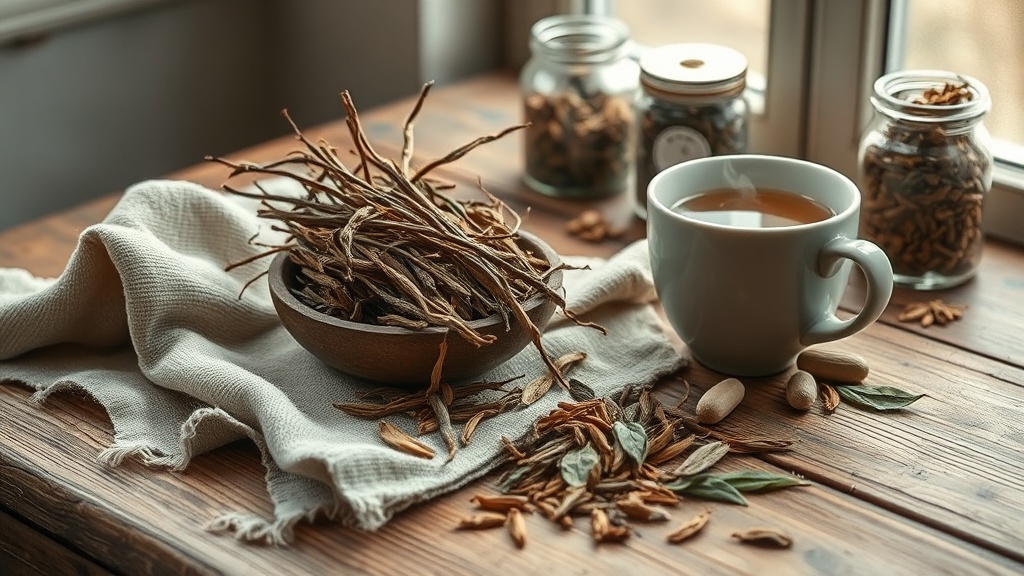
Most kratom buyers only ever see the leaves. The stems and veins that once ran through them usually get tossed aside, treated as waste before the product ever reaches a shelf. But that “waste” carries its own chemistry, and for some users, it’s worth a second look.
Stems and veins are the plant’s support system — the parts that move nutrients through the leaves. Because they serve a different function, they also carry a different mix of compounds. That difference is exactly what makes them interesting.
A Different Set of Alkaloids
Kratom contains dozens of known alkaloids, though most people have only heard of one or two. Stems and veins bring some of the lesser-known ones into play — compounds like mitraphylline, rhynchophylline, and corynanthine, which show up in smaller amounts, or not at all, in the leaves themselves.
Think of leaf material as the main event and stems and veins as a variation on the theme. The fiber content is higher, the alkaloid mix shifts, and a lot of users describe the resulting effects as gentler and slower to fade compared to leaf-only products.
Why the Effects Last Longer
This is where stems and veins earn their reputation. Because the material is denser and more fibrous, the body seems to break it down more gradually. Users often report that this translates to effects that last noticeably longer than what they get from leaves alone — sometimes as much as 50% longer.
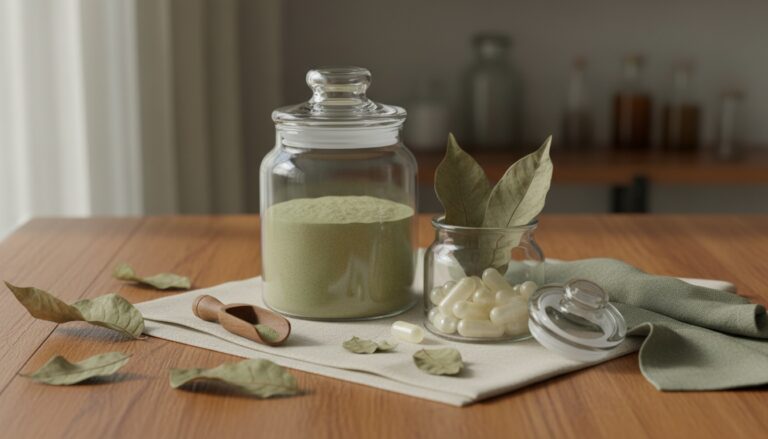
Instead of a sharp rise and fall, the experience tends to build and taper more slowly. Some people blend stems and veins into their usual kratom powder; others use it as a standalone product entirely, depending on what kind of experience they’re after.
The Price Advantage
Good kratom isn’t cheap, and that’s part of why stems and veins have found a following. They typically sell for roughly half the price of ground leaf products — sometimes less.
That lower cost opens the door to experimentation. You can test different preparation methods or dosing approaches without spending as much to figure out what works. For regular users, it also means stretching a supply further while still getting a distinct experience from what leaf material offers.
How to Prepare Them
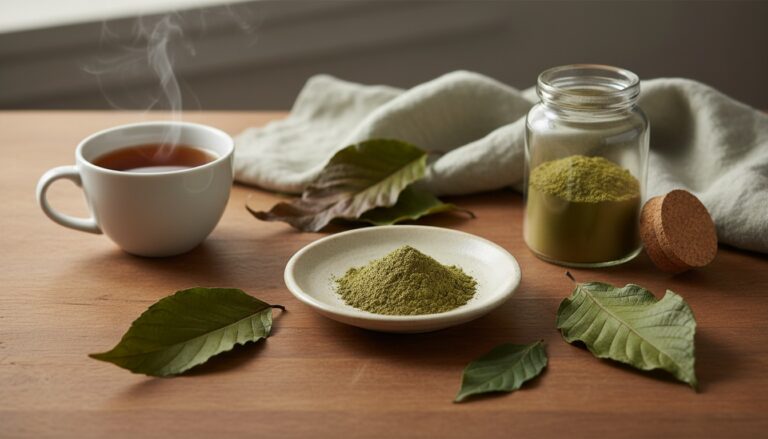
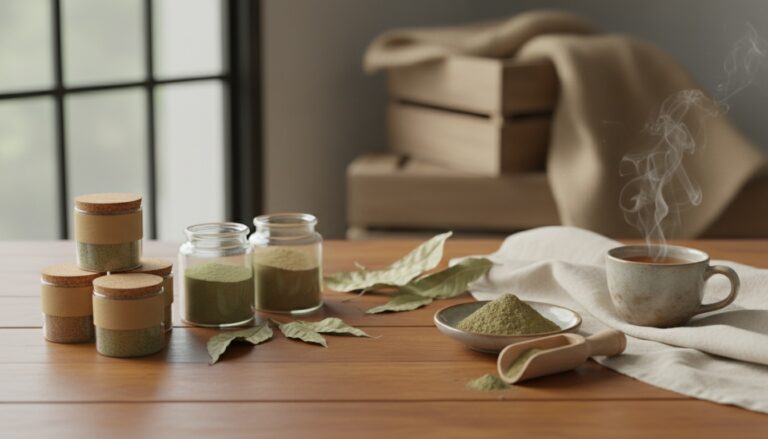
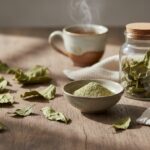
Stems and veins need more work than leaves before they’re ready to use. Their fibrous structure is tougher, so most people grind them into a fine powder first to break down the plant matter and make the alkaloids easier to access.
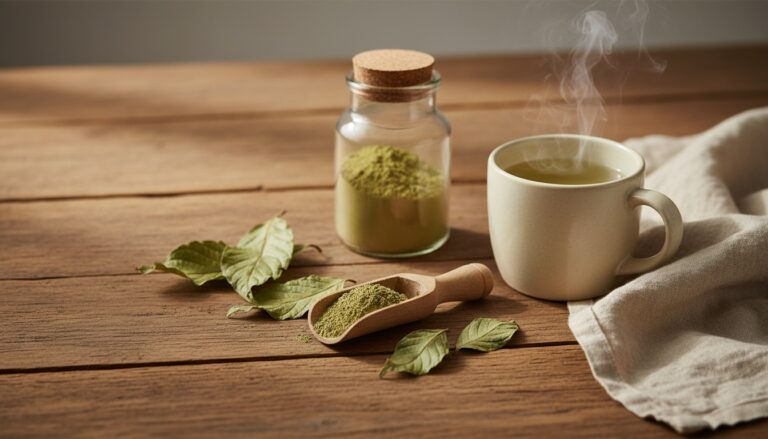
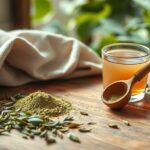
Tea is another common method. Steeping the material in hot water for 15 to 20 minutes helps pull the compounds out, and some people go a step further and simmer it gently instead of just steeping, since the extra heat and time help break down the denser fiber.
If you’re curious about how heat affects kratom’s chemistry more broadly, it’s worth reading up on what actually happens to alkaloids during high-temperature preparation before you experiment.
Whatever method you choose, start with less than you’d normally use with leaf kratom. The alkaloid balance is different enough that your usual dosing habits may not carry over directly.
Don’t Skip Quality Checks
A lower price tag doesn’t mean lower standards. Stems and veins should still come from material that’s been dried and stored properly, and ideally tested in a lab.
Testing matters even more here, since the alkaloid profile differs from leaf products and you want a clear picture of what you’re actually consuming. Wild-harvested sources tend to show more alkaloid diversity than plantation-grown material, so it’s worth checking sourcing details.
Look for sellers who treat stems and veins as an actual product line, with their own sourcing and testing standards, rather than as leftover material being cleared out.
A More Efficient Use of the Plant
There’s a practical upside beyond cost and effects: using stems and veins means less of the plant goes to waste. Kratom trees can produce for years when farmed responsibly, and using the full harvest — not just the leaves — supports that kind of long-term, sustainable approach.
For farmers, it also means turning a byproduct into something sellable. For consumers, it’s a way to get more out of the plant while supporting more efficient harvesting practices.
Figuring Out What Works for You
Reactions to stems and veins vary from person to person. Some like them for evening use, when a slower, milder effect fits better. Others mix them into their regular kratom to shift the overall experience slightly.
The best approach is to start small and pay attention. Since the alkaloid balance differs from leaf material, your usual amount might feel different than expected. Keeping notes on dose, preparation method, and how you felt afterward can help you dial in what actually works for your needs.
Worth a Second Look
Kratom stems and veins aren’t a shortcut or a lesser version of leaf products — they’re a different part of the same plant, with their own chemistry and their own uses. Paying attention to the parts most people discard can open up a more complete picture of what kratom offers.
At half the price of leaf products, with effects that tend to last longer and unfold more gradually, stems and veins are worth trying at least once — especially if you’re the kind of person who likes to know exactly what you’re working with before you commit to it.
Frequently Asked Questions
What are kratom stems and veins?
They’re the structural parts of the kratom plant that move nutrients through the leaves. They carry a different alkaloid mix than leaf material and are often discarded, though many users find value in their unique effects and longer duration.
How do stems and veins differ from kratom leaves?
They’re more fibrous and contain alkaloids like mitraphylline and rhynchophylline that leaves don’t carry in the same amounts. Effects tend to be gentler and longer-lasting, sometimes up to 50% longer than leaf material.
Are kratom stems and veins cheaper than leaves?
Generally, yes — often around half the price of ground leaf products. That makes them a practical option for people who want to experiment or stretch their supply further.
How do you prepare kratom stems and veins?
Grind them into a fine powder to break down the fiber, or steep them in hot water for 15–20 minutes to make tea. Start with a smaller amount than you’d use with leaves, since the alkaloid profile is different.
Can you mix kratom stems and veins with regular kratom?
Yes. Many people blend the two to adjust the overall experience and extend its duration, while others prefer using stems and veins on their own for a milder, more gradual effect.