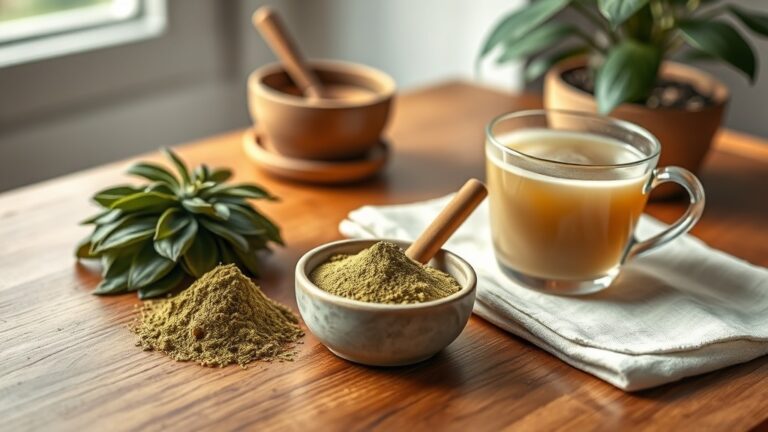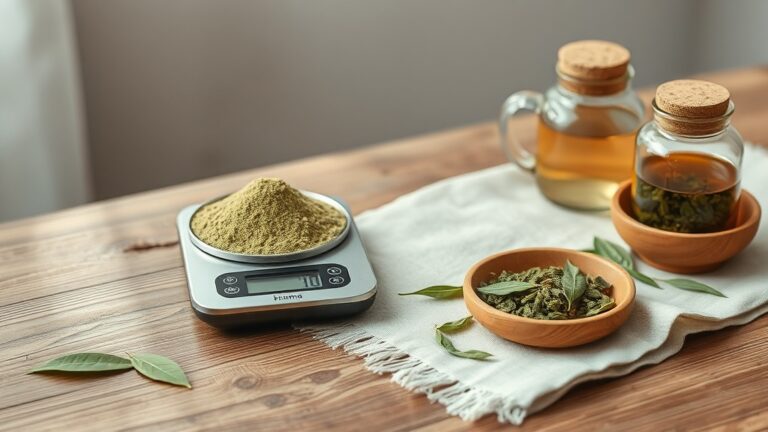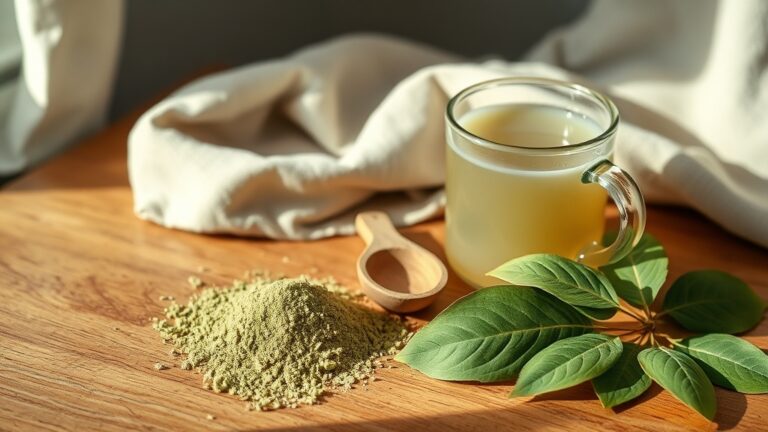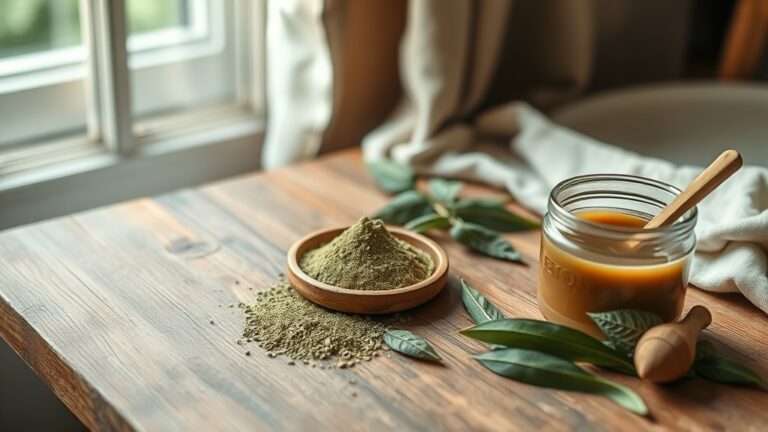

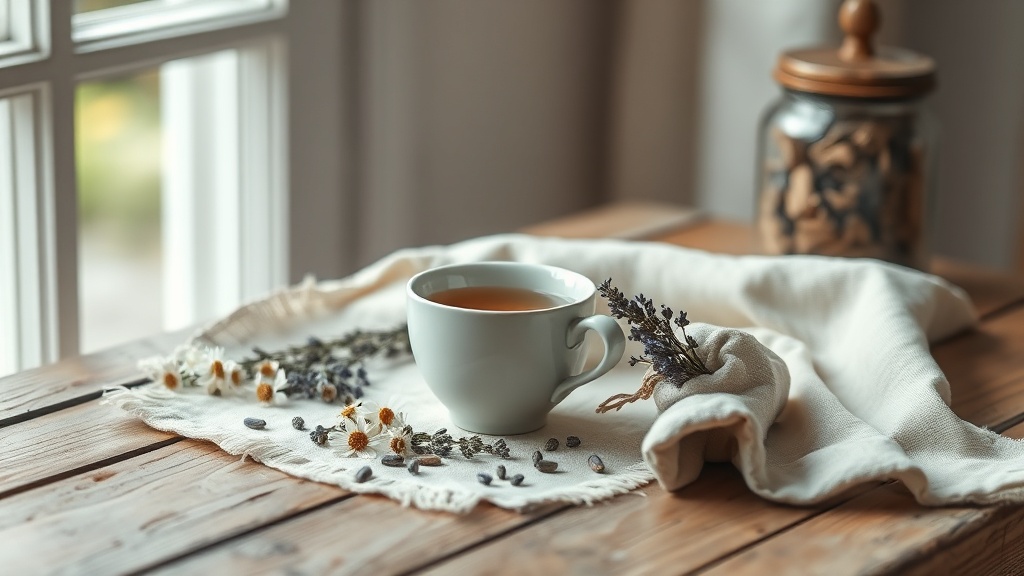
Stress finds all of us, no matter how much life has changed since our grandparents’ time. But long before pharmacies existed, people relied on plants to settle their nerves and ease into rest. Many of those same botanicals are sitting on store shelves today, easier to find than ever.
If you’re looking for a gentler alternative to synthetic sleep aids or anxiety products, herbal remedies are worth a look. Below are ten plants people have turned to for generations to unwind, sleep better, or simply take the edge off a hard day.
1. Chamomile
Most people know chamomile from tea bags, but this small daisy-like flower has earned its reputation the hard way — through centuries of use across many cultures. It contains compounds that people commonly link to calmness and better sleep.
What makes chamomile appealing is how flexible it is. Brew it as tea before bed, use it in aromatherapy, or toss dried flowers into a warm bath. Its mild, slightly sweet taste makes it a good entry point if you’re new to herbal remedies.
2. Lavender
Lavender didn’t earn its calming reputation from marketing alone — it’s rooted in long-standing tradition. People associate this purple herb with stress relief and better sleep, and many say just breathing in its scent helps them shift out of a hectic day.
Try a lavender sachet near your pillow, a few drops of essential oil in your bath water, or a cup of lavender tea in the evening. Like most herbs on this list, it tends to work best with regular use rather than as a one-time fix.
3. Kava
Pacific Island communities have used kava for social and ceremonial purposes for thousands of years. Made from the root of the kava plant, it’s traditionally prepared as a drink and is known for promoting calm and easing social tension.
Kava works differently in the body than most other herbs here, which explains why it has such a loyal following. If you’re new to it, start small and see how your body reacts — kava can affect people quite differently depending on dose. Because quality varies widely, look for wild-harvested, lab-tested products from suppliers you trust.
4. Blue Lotus
This water lily held sacred status in ancient Egypt, showing up in religious ceremonies and art for its soothing, dreamlike qualities. Today people use it for its mild calming effect and its reputation for deepening meditation or quiet reflection.
Blue lotus can be brewed as tea, smoked in the traditional way, or added to aromatherapy blends. It’s on the gentler end of the spectrum, which makes it a solid choice if you want relaxation without anything too strong.
5. Passionflower
Don’t let the dramatic name fool you — passionflower is about calm, not intensity. This flowering vine has a long history of traditional use for restlessness and disrupted sleep.
It’s particularly known for quieting a racing mind — the kind of mental noise that keeps you staring at the ceiling at night. Many people pair it with other calming herbs in tea blends or tinctures for added effect.
6. Lemon Balm
Part of the mint family, lemon balm has a bright, citrusy smell that seems to lift mood while easing tension at the same time. It’s been used for centuries to calm nerves and support sleep, and its pleasant flavor makes it easy to enjoy in tea.
It’s also one of the easiest herbs to grow yourself — a pot on a windowsill or a small garden patch will do. Use the leaves fresh in tea, or dry them for storage; they’ll hold their potency for months if kept properly.
7. Kratom
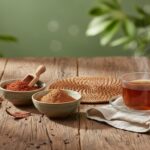
Kratom comes from the leaves of the Mitragyna speciosa tree, native to Southeast Asia, where it has a long history of traditional use. Different strains are linked to different effects — red vein varieties are often chosen for evening relaxation, while green and white strains tend to be favored during the day for focus.
Sourcing matters a lot here. Wild-harvested, lab-tested kratom from a trustworthy supplier gives you a more consistent, reliable product. Most people do best starting with a small amount and adjusting gradually as they learn what works for them.
8. Valerian Root
Valerian’s smell won’t win any awards — it’s earthy and a bit sharp — but its long track record for supporting sleep has kept it a staple in herbal medicine for generations. Many users say it helps them fall asleep faster and wake up feeling more rested.
It tends to work best with regular, ongoing use rather than as an occasional remedy. If the taste bothers you, capsules or tinctures are an easy workaround.
9. Ashwagandha
This herb comes from Ayurvedic tradition and belongs to a group of plants called adaptogens — believed to help the body cope with stress more effectively. Ashwagandha has been used for thousands of years and is commonly linked to supporting a healthy stress response.
It’s flexible enough to fit into different routines — some people take it in the morning to manage daily stress, others prefer it at night. Its slightly bitter, earthy flavor blends well into warm milk or smoothies.
10. Holy Basil (Tulsi)
Holy basil, or tulsi, isn’t the same plant used in Italian cooking — it holds a sacred place in Ayurvedic tradition. It’s valued for a somewhat unusual combination: supporting mental clarity while also promoting relaxation.
Tulsi tea has become a popular choice, with a warm, slightly spicy flavor that many people find comforting. Because it’s gentle enough for daily use, it fits well into a long-term wellness routine.
Building Your Own Relaxation Routine
These herbs aren’t just useful on their own — many people find combining a few works even better, though single-herb routines suit others just fine.
Start with one or two herbs that catch your interest, whether that’s based on tradition, availability, or plain curiosity. Pay attention to how your body responds over time, since consistency usually matters more than dosage size. Most of these botanicals show their benefits through regular use, not sporadic doses.
Quality should guide every purchase. Choose suppliers who lab-test their products and disclose sourcing information. Wild-harvested options are often more potent and authentic, and third-party testing gives you a way to verify purity.
Final Thoughts
Finding calm doesn’t require expensive gadgets or elaborate rituals. Sometimes a cup of chamomile tea or a kava ceremony passed down through generations does more than any high-tech solution. Whether you gravitate toward the mild sweetness of chamomile, the ceremonial weight of kava, or the traditional use of kratom, these plants offer real, time-tested paths to relaxation.
Everyone’s body responds differently, so don’t be discouraged if something that works for a friend doesn’t do much for you. Approach these herbs with patience and pay close attention to how you feel — that’s really the whole method.
Trying these botanicals connects you to practices that stretch back centuries across many cultures. In a world that often pulls us away from nature, they offer a simple way back — one cup, one breath, one quiet moment at a time.
Frequently Asked Questions
How long before I feel the effects?
It depends on the herb and the person. Chamomile tea might bring on a gentle calm within half an hour to an hour, while something like ashwagandha usually needs weeks of daily use to show its full effect. Start small and observe how you respond.
Can I mix different relaxation herbs?
Yes — chamomile and lavender, or passionflower and lemon balm, are common pairings. That said, try each herb on its own first so you know how your body reacts before blending them.
When’s the best time to take these?
It varies by herb and your goal. Valerian and chamomile are usually taken an hour or two before bed, while adaptogens like ashwagandha can go either morning or night. Red vein kratom tends to be an evening choice.
How can I tell if a product is good quality?
Look for third-party lab testing, wild-harvested or organic sourcing, and GMP-certified manufacturing. Be wary of products with fillers, artificial additives, or prices that seem too good to be true.
Are there combinations I should avoid?
Most herbs on this list pair well together, but it’s smart to research any specific combination before trying it, and to start with smaller amounts. If you’re on medication or managing a health condition, talk to a healthcare provider familiar with herbal supplements first.
How should I store these products?
Keep dried herbs and powders in airtight containers, away from light, heat, and moisture. Stored properly, most will stay potent for one to two years. Tinctures and extracts generally last even longer if kept cool and dark.