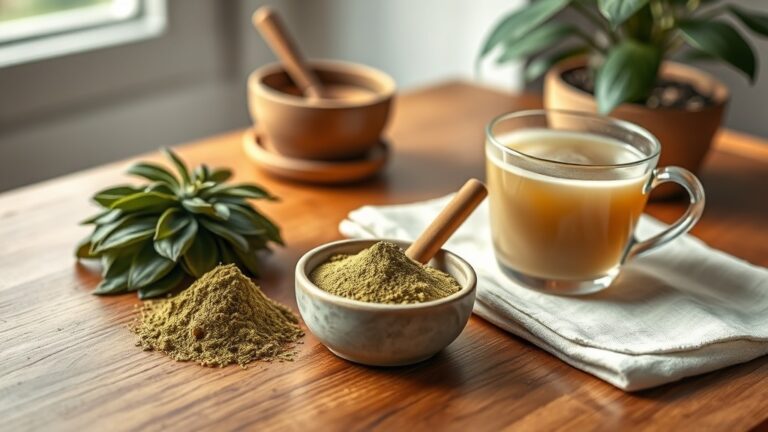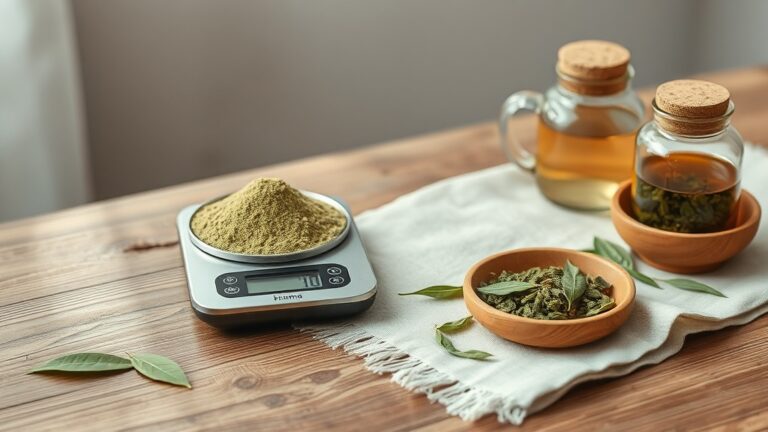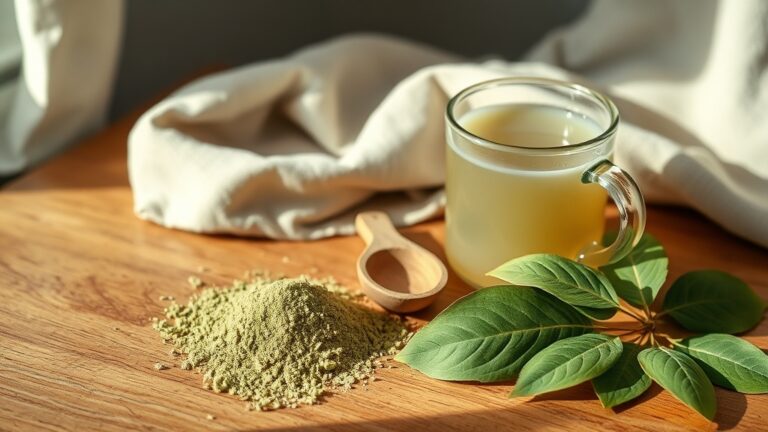


Most kratom conversations focus on strains, colors, and dosing. Hydration rarely comes up, yet it shapes your experience more than people realize. Water intake isn’t just a general wellness habit — for kratom users, it’s a foundational part of using this botanical responsibly and comfortably.
Here’s why hydration deserves more attention, and what you can actually do about it.
How Kratom Affects Your Fluid Levels
Kratom interacts with the body in several ways, and one commonly reported effect is mild diuretic action — it can push more water out through urine and sweat than usual.
That means more frequent bathroom trips, a drier mouth, and a real risk of dehydration if you’re not replacing those fluids as you go.
Here’s the tricky part: kratom can dull your normal thirst signals. You might not feel thirsty until you’re already behind on fluids. Normally, thirst is your body’s early warning system. With kratom in the mix, that alarm can go off later than it should — which is exactly why building a hydration habit matters more than waiting to feel thirsty.
Signs You Need More Water
Your body gives off clues when it’s running low on fluids, even before thirst kicks in. Watch for:
- Dark yellow urine — a quick, reliable gauge. Pale yellow or clear means you’re in good shape; dark yellow is a signal to drink up.
- Dry mouth or thick saliva — kratom can cause some dryness on its own, but persistent dryness usually means you need water.
- Headaches or light-headedness — often among the first symptoms to show up.
- Fatigue or mood shifts — dehydration can drag down energy and affect how you feel emotionally.
- Muscle cramps — especially during exercise, cramps can point to an electrolyte imbalance tied to fluid loss.
If several of these show up at once, treat it as a cue to rehydrate before things get worse.
Building Better Hydration Habits
The smartest approach is to get ahead of dehydration rather than react to it. A few practical habits:
- Drink before you start. By the time you’re thirsty, you’re already a step behind. Have a full glass of water before taking kratom.
- Set a schedule. Don’t rely on feeling thirsty — drink at regular intervals throughout the day, especially on days you’re using kratom.
- Know your target. General guidance suggests women aim for roughly 11.5 cups (92 ounces) of water daily, and men around 15.5 cups (124 ounces). If you’re active or in a hot climate, you’ll likely need more.
- Keep water visible. A bottle within arm’s reach is a simple but effective reminder. Some people like bottles marked with time targets.
- Add electrolytes when needed. Plain water works well, but electrolytes can help if you’re sweating or urinating more than usual.
- Track your intake. A basic hydration app can nudge you throughout the day if you tend to forget.
Small, consistent habits like these can noticeably improve how you feel during and after kratom use.
Other Ways to Stay Hydrated
Water is the baseline, but other sources can help round out your daily intake:
- Water-rich foods. Watermelon, cucumber, oranges, and strawberries all carry a lot of water and count toward your daily total.
- Herbal teas. Caffeine-free teas add hydration with some flavor variety. Some kratom users even brew their kratom as tea, diluting it with extra water.
- Coconut water. A natural source of both fluid and electrolytes.
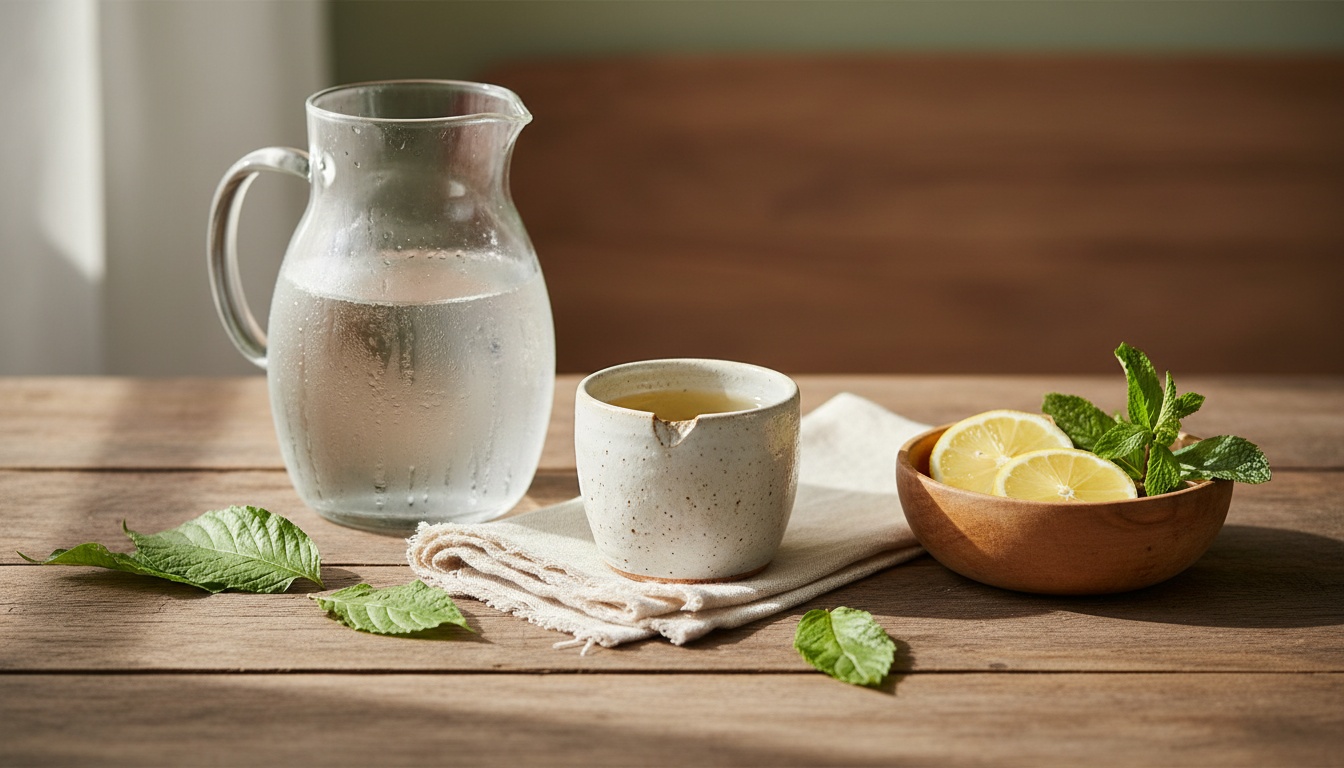
- Infused water. Fruit slices, cucumber, or herbs can make plain water more appealing if you find it boring on its own.
Mixing things up can make it easier to hit your daily fluid goals, especially if plain water isn’t your favorite.
Habits That Work Against Hydration
Some drinks and habits quietly undercut your hydration efforts:
- Alcohol is a strong diuretic and can significantly raise your dehydration risk when combined with kratom.
- Caffeine — coffee, energy drinks, some teas — has diuretic properties too. If you drink these, make up for it with extra water.
- Sugary drinks contain water, but high sugar content can interfere with how your body absorbs and retains fluid.
- Heavily salted, processed foods can increase your body’s water needs.
None of these need to be cut out completely. Just be mindful of them and compensate with more water when you indulge.
Hydration Isn’t One-Size-Fits-All
How much water you actually need depends on several personal factors:
- Body size and composition
- Activity level and how much you sweat
- Climate and environment
- How much kratom you take, and which type
- Other medications or supplements you’re using
Pay attention to how your own body responds. Some people need noticeably more water than average when using kratom; others need only a modest bump. If you’re new to kratom, it’s smart to start with smaller servings and lean toward drinking more water than you think you need until you understand your own pattern.
Making Hydration a Routine, Not an Afterthought
Consistency beats intensity here. A few ways to build hydration into your kratom routine naturally:
- Pair water with every dose. Make it a rule: kratom means a full glass of water, every time.
- Carry water with you. A bottle you actually like using makes it easier to keep drinking throughout the day.
- Use reminders. Phone or smartwatch alerts can prompt regular water breaks.
- Notice patterns. Pay attention to which days leave you under-hydrated, and adjust.
- Make it social. If you use kratom with others, make drinking water together part of the habit.
Small, repeatable habits tend to stick better than big overhauls that are hard to maintain.
Quality Kratom Matters Too
Water quality isn’t the only thing that counts — kratom quality does too. Choosing lab-tested, properly sourced kratom processed under recognized manufacturing standards helps ensure you’re not dealing with contaminants or additives that could add to hydration issues or other unwanted effects. Reputable sourcing means you can focus on your experience with more confidence in what you’re actually consuming.
Hydration as Part of Self-Care
Staying hydrated isn’t only about dodging headaches or fatigue — it’s part of getting the most out of your kratom experience overall.
When you’re properly hydrated:
- Your body processes kratom more efficiently
- You’re more likely to feel its full range of effects
- You’re less likely to deal with headaches or tiredness
- You support your body’s natural processes for clearing waste
Treat hydration as a basic form of self-care that goes hand in hand with using kratom. Pay it the attention it deserves, and you’ll likely notice a real difference in how you feel — both during and after.
Frequently Asked Questions
Why does hydration matter with kratom?
Kratom can have a mild diuretic effect, increasing fluid loss and raising the risk of dehydration, dry mouth, headaches, and fatigue. Staying hydrated helps offset these effects.
What are signs of dehydration to watch for?
Dark yellow urine, dry mouth, headaches, dizziness, fatigue, and muscle cramps are all common signs. If you notice these, increase your fluid intake right away.
How much water should I drink with kratom?
Drink consistently throughout the day, starting with a full glass before taking kratom. Exact needs vary by body size, activity level, and climate.
What should I limit or avoid?
Alcohol, high-caffeine drinks, and sugary sodas can all worsen dehydration when combined with kratom — limit these or offset them with extra water.
Can food help with hydration too?
Yes. Water-rich foods like watermelon and cucumber, herbal teas, and coconut water all contribute to fluid balance alongside plain water.