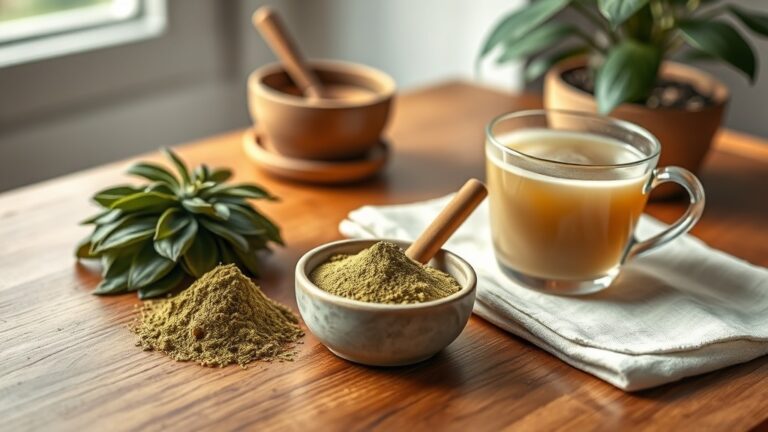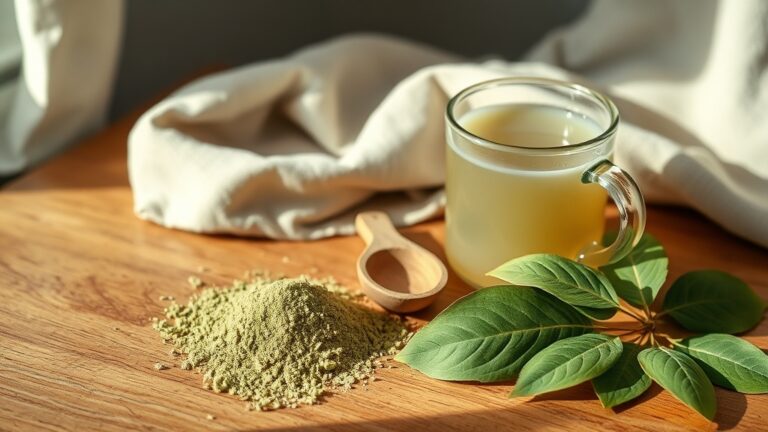





That 2 PM slump. The mental fog that rolls in right after lunch. Anyone who’s worked a full day knows the feeling. Coffee only goes so far, and a fourth cup often leaves you jittery instead of sharp.
Some people have turned to kratom instead. Its alkaloid content appears to interact with brain receptors in ways that many users say sharpen focus and lift motivation. But getting good results depends on knowing how to use it — the right strain, the right dose, the right timing.
Why People Turn to Kratom for Work
Kratom’s effects come largely from two compounds, mitragynine and 7-hydroxymitragynine. Surveys of kratom users consistently point to energy and productivity as top reasons for use — one review of research covering more than 16,000 respondents across several Western studies found occupational performance to be a common motivator.
What sets it apart from typical stimulants, according to many users, is the quality of the energy itself. Rather than the sharp lift and crash of caffeine, people describe something steadier — alertness without the tension or jitteriness that often comes with stimulants.
Pick the Right Strain for the Job
Not all kratom works the same way, and vein color is a useful guide for matching effects to your workday.
Mornings and heavy lifting — white strains. White Maeng Da and White Borneo are often linked to sharper alertness and drive. If your morning calls for creative problem-solving or tackling something difficult, these tend to work well.
Long stretches of steady work — green strains. Green Maeng Da blends energy with concentration, while Green Bali offers a gentler lift that suits longer sessions without becoming overwhelming. These are good picks when you need to stay locked in for hours rather than minutes.
High-stress days — red strains. Red Bali leans more relaxing than energizing, but it can indirectly help focus by easing the tension that derails concentration. Save red strains for pressure-heavy days when stress is the bigger obstacle.
Get the Dose Right
Dosage is where kratom either helps or backfires. Too little and you feel nothing; too much and you’re sedated instead of sharp.
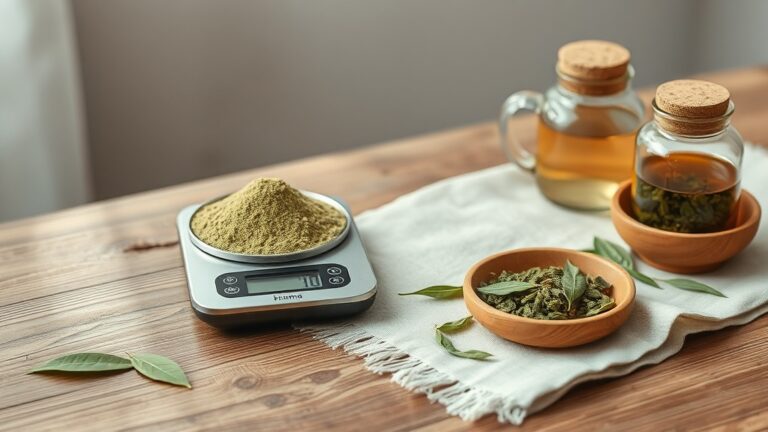
Most users find the productivity sweet spot somewhere between 1 and 3 grams. If you’re new to this, start at 1 gram and move up in half-gram increments over several sessions until you find what works for you.
Timing matters too. Take kratom 30 to 45 minutes before you need to perform — this gives the effects time to build gradually instead of hitting you right when you’re trying to concentrate. Taking it immediately before a demanding task can actually work against you during the onset window.
It also helps to rotate strains rather than relying on the same one every day — say, white strains on Monday and Thursday, green on Tuesday and Friday, with rest days built in. This kind of rotation helps keep your tolerance from creeping up.
Set Up Your Environment to Support It
Kratom works better alongside good habits, not instead of them.
Drink 16 to 20 ounces of water within the first hour after taking it, and keep sipping through the day — dehydration can blunt the positive effects and make side effects more likely.
On the food side, taking kratom on an empty stomach tends to improve absorption, but a light snack about 30 minutes later can prevent nausea. Try to avoid heavy meals within two hours before or one hour after dosing.
And don’t skip the basics: clear your desk, close unnecessary tabs, and set a specific goal before the effects kick in. Kratom sharpens the focus you already have — it doesn’t manufacture it from nothing.
Match the Strain to the Task
Different jobs call for different kinds of mental energy.
- Creative work — brainstorming, writing, design, strategy — often benefits from white or green strains, which many users associate with improved idea flow.
- Detail-heavy work — data entry, editing, coding, admin tasks — tends to pair well with green strains, since the balanced effect supports sustained attention without restlessness.
- Physical or hands-on tasks — presentations, projects requiring movement — may benefit more from the higher energy of white strains.
Manage Your Use Over Time
Long-term effectiveness depends on not overusing any single strain or dose.
A common approach is the 5-2 pattern: five days of use, two consecutive rest days, ideally on weekends or slower workweeks. Within that, rotating through three or four strains keeps your body from settling into a routine with one alkaloid profile. It’s worth keeping notes on which strains suit which tasks — patterns become obvious after a couple of weeks.
Dosage should flex with demand too. Save the higher end of your range for genuinely tough days, and use less on routine ones. Don’t push past whatever dose you’ve already found works safely for you, even under deadline pressure.
A Few More Advanced Strategies
Pre-loading: Time your dose about 45 minutes ahead of your hardest task, so peak effects line up with peak demand. Keep in mind the effects generally last 4 to 6 hours, and plan your schedule around that window.
Pairing with structure: Kratom’s focus boost tends to work well alongside techniques like the Pomodoro method or time-blocking. Use the effects to power through focused sprints, with breaks built in as usual.
Smoothing energy dips: Instead of trying to boost your best hours, use kratom to flatten out your low points during the day. That tends to produce more consistent performance overall.
Quality and Safety Come First
None of this matters much if the kratom itself is poor quality. Look for lab-tested products from GMP-certified sources — wild-harvested kratom often has more consistent effects than plantation-grown versions, and proper storage keeps it potent and free of contamination.
Start small and pay attention to how your body responds — sensitivity varies a lot from person to person, and side effects like nausea, dizziness, or drowsiness are more likely while you’re still finding your dose. Also check your local and state regulations before buying or using kratom, since legality varies by location.
When Things Aren’t Working
Feeling a crash instead of a lift? You’re likely taking too much, or the strain isn’t right for the task. Scale back or switch varieties.
Effects fading over time? That’s tolerance. Take two or three days off, or rotate to a different strain.
Results all over the place? Look at your hydration, food, sleep, and stress levels — all of these shape how kratom affects you, sometimes more than the dose itself.
Building a System That Works for You
There’s no universal formula here — what works well for one person may not for another. Start conservative, keep it simple, and adjust based on what you observe. Tracking strains, doses, timing, and results over a few weeks will tell you more than any general guideline can.
Kratom works best as a support for habits you already have — solid time management, clear goals, realistic breaks — not as a replacement for them. Treat it as one tool among several, and you’re more likely to find something sustainable.
Frequently Asked Questions
What’s the best kratom strain for productivity?
White Maeng Da and Green Maeng Da are commonly cited as effective. Start small to see how you respond.
How much kratom should I take for focus?
Most people find 1 to 3 grams works well. Begin at 1 gram and adjust gradually.
When should I take kratom before work?
About 30 to 45 minutes before you need peak focus, so the effects build gradually.
Can I take kratom every day for productivity?
A 5-2 pattern — five days on, two off — combined with strain rotation helps avoid tolerance buildup.
What if kratom makes me tired instead of energized?
Try a lower dose or switch to a white vein strain.
Is it safe to combine kratom with coffee?
It’s better to understand kratom’s effects on its own first before combining it with other stimulants.
How long do the effects last?
Typically 4 to 6 hours — plan demanding tasks within that window.
What if kratom stops working for me?
Take a short break of 2 to 3 days, or switch strains. Tolerance is common with regular use.