


Kratom trees grow across a wide stretch of Southeast Asia, but the legal export trade runs through only two countries. That narrow pipeline shapes everything about the kratom you find on store shelves—its price, its availability, and even how it’s regulated. Here’s a breakdown of who actually supplies the world’s kratom, who doesn’t, and what that means if you’re buying it.
Indonesia Supplies Nearly All of It
Indonesia produces roughly 95% of the kratom sold worldwide, even though the country itself bans domestic consumption. It’s an odd arrangement: the nation that dominates global supply won’t let its own citizens legally use the product.
Most Indonesian kratom comes from Borneo, Sumatra, and Java. Each island has its own soil, climate, and harvesting traditions, and those differences show up in the alkaloid makeup of the leaves. Many of the trees are wild-harvested, some having grown for generations, which contributes to the range of strain characteristics buyers have come to recognize.
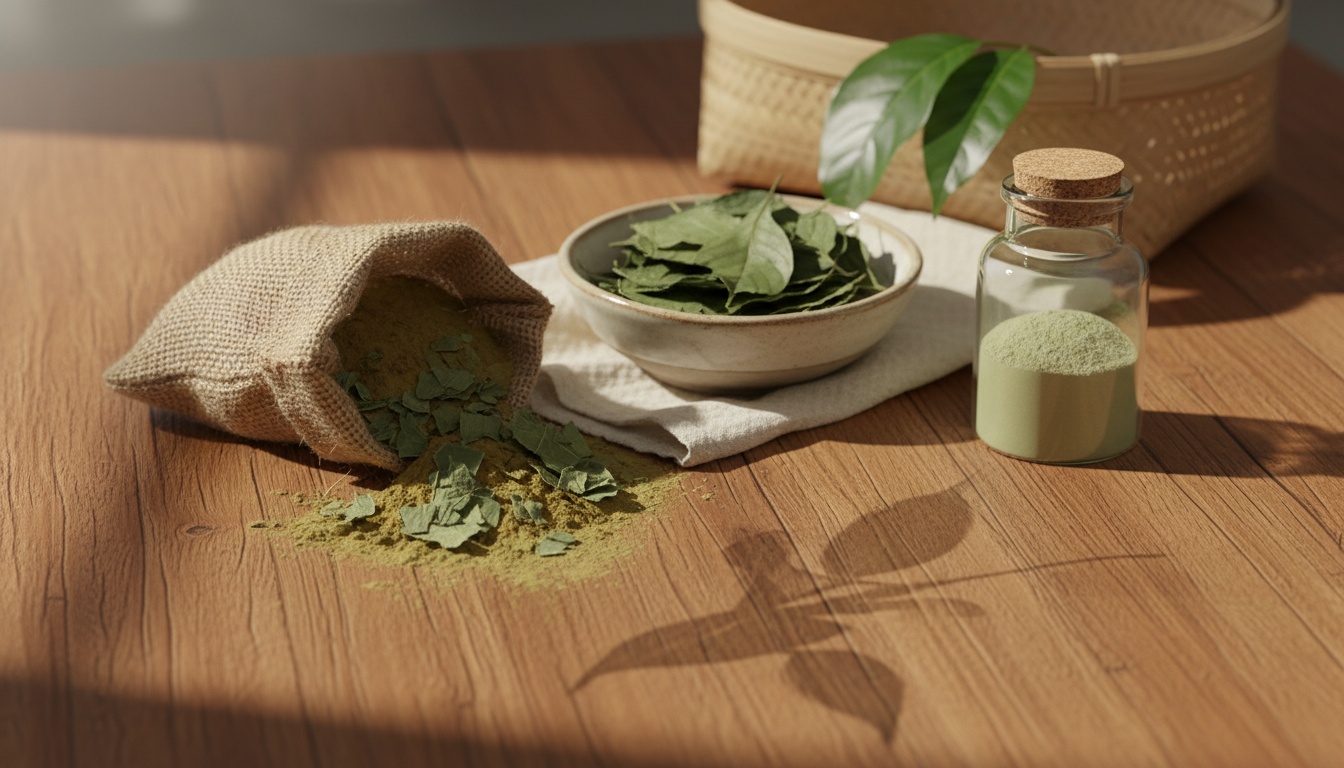
Getting the leaf from farm to finished product isn’t simple. Farmers harvest and dry the leaves before they’re turned into powder, capsules, or extracts. Exporters then have to work within a shifting set of rules while keeping quality consistent, and most of the finished product heads to the United States for further testing and distribution.
Things got more complicated in 2024. Indonesia introduced new export restrictions that banned raw and crushed leaf material, permitting only finely ground powder under 600 microns. The change rippled through the market fast—prices on some kratom products jumped anywhere from 100% to 400%.
Thailand Is the Second Legal Source
Thailand spent decades banning kratom outright before legalizing it in 2021. That single policy shift turned the country into the world’s second legitimate exporter almost overnight.
Thai kratom tends to differ from Indonesian varieties because of the country’s distinct growing conditions. Strains like Thai Red and Thai Green have built their own reputation among longtime users, offering a different experience than what Indonesian leaf typically provides.
For American buyers and companies, Thailand’s entry into the market matters mainly because it reduces reliance on a single supplier. When Indonesia’s rules changed in 2024, anyone sourcing exclusively from Indonesia felt it immediately. Thailand offers a hedge against that kind of disruption.
That said, Thailand’s export infrastructure is still catching up to Indonesia’s. Shipping networks, processing capacity, and farming operations are all newer and smaller in scale. But the government’s willingness to support legal trade suggests the country’s export capacity will keep growing.
Where Kratom Grows but Can’t Be Exported
Several other countries have native kratom populations but no legal path to export. This is a big part of why supply stays concentrated in just two places.
Malaysia has ideal growing conditions and native kratom trees, but the law bans cultivation, sale, and export outright. Penalties for violations can be serious.
Myanmar has kratom forests too, but no legal or regulatory structure exists to support commercial export. Political instability makes it an unlikely source anytime soon.
The Philippines allows kratom to grow in some regions, but export is prohibited, and rules vary confusingly from province to province.
Vietnam, Papua New Guinea, and northeastern India may all have native kratom, but none of them permit commercial export. Some ban it entirely; others simply haven’t built a legal framework to allow trade.
How Kratom Gets Checked Before It Reaches You
Once kratom leaves Indonesia or Thailand, it goes through several layers of scrutiny before landing on a store shelf.
U.S. Customs and Border Protection, along with the FDA, inspect shipments as they arrive. Importers need to document where the product came from, how it was processed, and what it’s intended for.
Good importers don’t stop there. Third-party labs test for contaminants, heavy metals, and alkaloid content at multiple points along the way. That testing is what separates a reliable product from a risky one.
After import, GMP-certified facilities usually handle final processing and packaging, applying consistent quality control standards. Many buyers also favor wild-harvested kratom over cultivated alternatives, since traditional harvesting tends to preserve the alkaloid profiles that developed naturally over time.
Legal Status Varies a Lot by Country
Even where kratom is legally exported, it isn’t necessarily legal to buy or sell everywhere it lands.
In the United States, six states—Alabama, Arkansas, Indiana, Rhode Island, Vermont, and Wisconsin—ban kratom outright. The rest allow it with varying degrees of regulation, which makes the U.S. market a patchwork in its own right.
Europe is even more fragmented. Eleven countries, including Denmark, Finland, France, and the United Kingdom, prohibit kratom entirely, complicating distribution across the EU.
Canada, New Zealand, and South Africa allow legal kratom sales, giving exporters additional markets beyond the U.S. Meanwhile, Australia, Japan, and South Korea ban it completely, narrowing the list of places kratom can legally go.
Why Relying on Two Countries Is Risky
Having almost the entire global supply come from just two nations creates an obvious weak point. When one country changes its rules, the effects show up worldwide almost immediately—as Indonesia’s 2024 restrictions demonstrated.
Some industry forecasts put the kratom market at close to $16 billion by 2032, but that projection assumes supply stays stable. Any major regulatory shift in Indonesia or Thailand could throw that timeline off.
For businesses and regular buyers alike, working with multiple suppliers is a practical safeguard against sudden shortages or price spikes. New supply relationships still need to be vetted carefully, though—consistent testing matters just as much with a new source as with an established one.
What Might Change Going Forward
Kratom’s export map probably won’t stay this narrow forever. Thailand’s production is likely to keep expanding as its infrastructure matures and farming scales up, giving buyers more of an alternative to Indonesian supply.
Other countries could eventually reconsider their stance. Malaysia might loosen restrictions if the economic case becomes compelling enough. The Philippines could develop a legal export framework given the right conditions. Vietnam and Myanmar remain long-shot possibilities if their political and regulatory situations stabilize.
None of this happens quickly, though. Building legal frameworks, quality standards, and export infrastructure takes years, not months.
What This Means If You’re Buying Kratom
Because Indonesia supplies the overwhelming majority of kratom on the market, quality can vary a lot depending on region and processor—so choosing a reputable vendor matters more than people often realize.
Thai kratom is a smaller but growing alternative, worth trying if you want a different alkaloid profile, though it’s still less widely available.
A few practical things to look for:
- Vendors with direct relationships to exporters in both Indonesia and Thailand, which tends to mean better supply security
- Third-party lab testing, especially important as supply sources shift and new variables enter the picture
- GMP-certified processing, which helps maintain consistent quality no matter where the leaf originated
Supporting a Healthier Trade
With so few legal exporters, how buyers spend their money actually matters. Choosing vendors who are transparent about their sourcing helps ensure farmers get paid fairly and harvesting stays sustainable.
There’s also a policy angle. The Kratom Consumer Protection Act pushes for standardized quality control and age restrictions—measures that protect legitimate trade while keeping consumers safer. Responsible use and accurate information matter too; misuse or bad press has a way of triggering new restrictions that hurt the entire market.
Buyers who prioritize quality over price send a signal to exporters that testing and standards are worth investing in.
The Bottom Line
Two countries—Indonesia and Thailand—currently supply the world’s legal kratom trade. Indonesia’s dominant position brings both scale and risk, while Thailand’s entry offers a partial hedge against that risk. Knowing this helps explain why prices shift, why availability sometimes tightens, and why vendor choice matters as much as it does. Look for suppliers who test their products, source transparently, and stay diversified—that’s the best way to navigate a market built on such a small foundation.