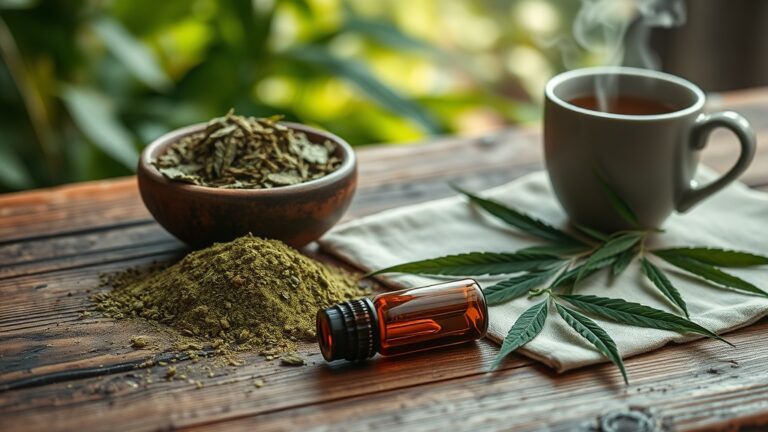





People ask this question more often than you’d expect: can you snort kratom powder?
Technically, yes. Practically, it’s a bad idea.
This isn’t about vague warnings or overcautious advice. Snorting kratom causes real, lasting harm while delivering almost nothing in return. Here’s what actually happens when kratom powder goes up your nose instead of down your throat.
Why People Consider It
The reasoning isn’t totally irrational. Some substances do absorb faster through nasal tissue than through the digestive tract, so the idea isn’t pulled out of thin air.
Kratom’s taste is famously bitter, and anyone who’s choked down a dose might look for a workaround. People who’ve used other substances nasally sometimes assume the same logic applies here — smaller amounts, faster hit, less hassle.
The problem is that kratom doesn’t behave like those other substances.
The Chemistry Doesn’t Cooperate
Kratom’s active compounds, mitragynine and 7-hydroxymitragynine, aren’t water-soluble. They need your liver to convert them into a usable form. Your digestive system handles that conversion; your nasal passages simply can’t.
So when kratom powder lands in your nose, it doesn’t absorb — it just sits there, trapped in plant fiber your body has no way to break down.
Then there’s the volume problem. A standard oral dose runs 5 to 10 grams — roughly two teaspoons of ground plant material. Picture snorting that much powder. It’s not just unpleasant; it’s physically unworkable.
What Actually Happens in Your Nose
Kratom powder doesn’t dissolve in nasal mucus. It builds up, clogging passages that are meant to filter air, not process plant fiber.
Your nasal tissue reacts the way it would to any foreign irritant: swelling, inflammation, and irritation as your body tries to clear material it isn’t equipped to handle.
With repeated use, this turns into something worse. Chronic inflammation leads to scar tissue. Blood vessels weaken and become prone to rupture. The septum — the cartilage wall between your nostrils — can develop holes from sustained damage. Blocked, irritated passages also become a breeding ground for bacteria, which can turn simple irritation into infection.
The Short-Term Effects
The damage shows up fast:
- Nosebleeds from powder scraping delicate tissue
- Breathing trouble as swelling narrows nasal passages
- Facial pain and pressure, especially around the sinuses and nose bridge
- Headaches from pressure buildup in blocked cavities
- Reduced sense of smell as receptors get coated and irritated
- Post-nasal drip and persistent congestion that won’t respond to normal remedies
None of this is minor. It’s your body telling you something is wrong.
The Long-Term Damage
Do this repeatedly and the effects stop being temporary. Chronic inflammation reshapes the inside of your nose, leaving scarred, less functional tissue behind.
A perforated septum — a hole in the cartilage — often needs surgery to fix, and some damage never fully heals. Your nasal defenses weaken too, making you more prone to respiratory infections that can spread down into your lungs.
In more severe cases, damaged blood vessels can form clots. Meanwhile, your immune system stays stuck in a low-grade state of alert, constantly fighting inflammation that never really resolves — which wears down your body’s ability to handle other problems.
How Oral Use Actually Works
Your digestive system is built to break down plant material, and your liver converts kratom’s alkaloids into their active form. Swallow kratom — whether in capsules or mixed into a drink — and those alkaloids reach your bloodstream through your gut in about 20 to 40 minutes.
That’s slower than snorting, sure, but it’s the pathway that actually delivers results. The focus, calm, or energy people associate with different kratom strains comes from this proper metabolic process — not from bypassing it.
This isn’t new. Traditional use in Southeast Asia involved chewing fresh leaves or brewing tea, methods that have worked for generations because they align with how the body actually processes plant compounds.
Better Ways to Take Kratom
If it’s the taste that’s pushing you toward snorting, there are simpler fixes.
Capsules remove the taste issue entirely. They come pre-measured, so there’s no guesswork, and your digestive system processes them the normal way.
Tea is a traditional method that’s gentler on the stomach than raw powder. You can brew it from crushed leaves or use extracts made for this purpose — many people find it the most enjoyable way to take kratom.
Extracts and tinctures deliver a concentrated dose in a small volume, cutting down on bulk plant material while still going through your digestive system properly.
Mixed drinks — orange juice, chocolate milk, smoothies — can mask the bitterness if you prefer using loose powder.
Why the Consumption Method Matters
Your nose filters air. Your gut processes food and plant material. Trying to make one do the other’s job doesn’t create a shortcut — it just causes damage and wastes product.
Kratom that’s effective when swallowed becomes useless, even harmful, when snorted. You’re working against your body’s design instead of with it.
If you’re not getting the effects you want from oral kratom, snorting isn’t the fix. The real issue is more likely product quality, dosage, strain choice, or timing — all things you can adjust without risking permanent injury to your nose.
The Bottom Line
If you’ve wondered about snorting kratom, you’re not alone — it’s a common question as more people try the plant for the first time. But the answer comes down to basic physiology: your nose can’t process plant alkaloids, and your digestive system can.
Stick with methods that work with your body, not against it. Capsules solve the taste problem. Tea offers a more traditional experience. Both get you the effects you’re after without risking damage that’s hard, and sometimes impossible, to undo.
Frequently Asked Questions
Does snorting kratom work faster than taking it orally?
No. Kratom’s alkaloids aren’t water-soluble and need liver metabolism to activate. Nasal tissue can’t do that conversion, so most of the powder just irritates your nose without producing real effects.
Can snorting kratom cause permanent damage?
Yes. Repeated use can lead to septal perforation, chronic inflammation, scarring, and lasting loss of smell. Some of this damage requires surgery and may not fully heal.
What’s the safest way to take kratom?
Orally — through capsules, powder mixed into a drink, or tea. Your digestive system and liver are built to process plant compounds properly.
Why do people try snorting kratom in the first place?
Usually to avoid the bitter taste or because they expect faster effects, similar to other substances. But kratom’s chemistry doesn’t support nasal absorption, so it ends up being both useless and harmful.
How much kratom would you actually need to snort to feel anything?
A typical oral dose is 5 to 10 grams. Snorting that much plant powder isn’t realistic — you’d cause serious nasal damage long before feeling any real effect.