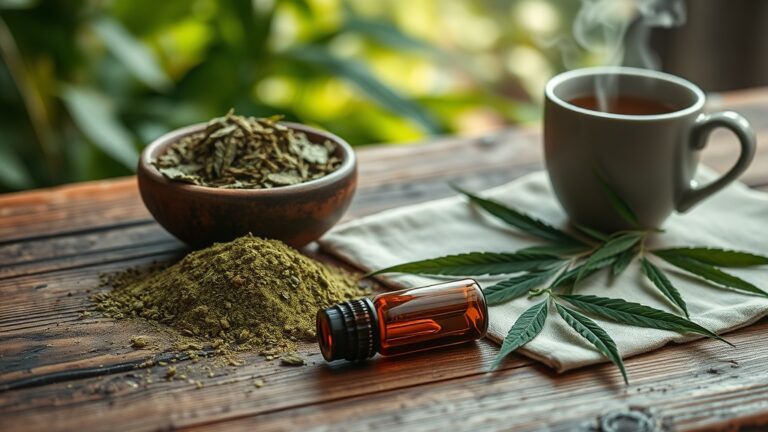



You overdid it last night, and now you’re paying the price. Your head is pounding, your stomach won’t settle, and even getting out of bed feels like a chore.
Somewhere along the way, someone told you kratom might help. Maybe you’ve read that it eases discomfort or perks up your energy. At this point, you’re willing to try almost anything to feel human again.
So does kratom actually work as a hangover fix, or is this just another wellness claim that sounds better than it delivers? Let’s look at what’s actually going on.
What a Hangover Really Is
To figure out whether kratom helps, it helps to know what your body is actually dealing with.
When you drink, your liver converts alcohol into acetaldehyde, a compound that’s actually more toxic than the alcohol itself. Your body then has to break that down further into substances it can safely flush out.
Meanwhile, alcohol dehydrates you, throws off your sleep, drains key nutrients, triggers inflammation, and irritates your gut lining. The headache, nausea, fatigue, brain fog, and sensitivity to light — all of it stems from this pileup of dehydration, inflammation, toxin overload, and nutrient loss.
Nothing is “broken.” Your body is simply working hard to clean up after processing something that taxes several systems at once.
Where the Kratom Idea Comes From
The theory that kratom helps with hangovers comes mostly from how people describe using it in general, not from anything specific to alcohol recovery.
At smaller doses, people often report a boost in energy and focus. At higher doses, many describe feeling more relaxed and physically at ease, though the effect can shift depending on the strain. Some say it settles their stomach too.
Put those pieces together and it’s easy to see the appeal: energy to fight fatigue, physical relief for the headache, and something to calm the nausea. It sounds like a tidy solution.
The problem is that sounding plausible and being proven are two very different things.
What the Evidence Actually Shows
Here’s the honest gap: no research has looked at kratom as a hangover treatment specifically.
Kratom’s alkaloids — mainly mitragynine and 7-hydroxymitragynine — interact with receptors in the brain that can shift how discomfort feels and how alert you are. But that’s not the same as fixing what’s actually causing a hangover.
Kratom doesn’t speed up how your liver clears acetaldehyde. It doesn’t rehydrate you. It doesn’t restore the nutrients alcohol stripped away, and it doesn’t calm the inflammation running through your system.
At best, it might dull some symptoms for a while. That’s not recovery — it’s just covering up the signal.
Why Mixing the Two Is Risky
Reaching for kratom during a hangover isn’t just ineffective — it can add real problems on top of the ones you already have.
Your liver is already overworked. It’s busy clearing alcohol and its byproducts. Asking it to also process kratom’s alkaloids piles more work onto an organ that’s already stretched thin.
Dehydration gets worse, not better. Alcohol and kratom both have a diuretic effect. Taking kratom while you’re already dehydrated from drinking can deepen that dehydration, which often makes headaches and exhaustion worse.
Nausea can go either way. Some people say kratom eases nausea; others get nauseous from it, especially at higher doses or on an empty stomach. Combine that with an alcohol-irritated stomach, and you could end up feeling worse instead of better.
You’re hiding symptoms, not solving them. If kratom dulls how bad you feel, you might get back to your day before your body has actually recovered — which can stretch out the real healing process.
It can turn into a habit. Reaching for kratom every time you’re hungover can slide into regular use, and that pattern can create its own set of problems down the line.
What Actually Works for a Hangover
The most effective recovery methods simply back up what your body is already trying to do on its own.
- Drink water, then add electrolytes. Sports drinks, coconut water, or electrolyte tablets help your body flush toxins and get back to normal faster.
- Replace lost nutrients. Alcohol drains B vitamins, magnesium, and potassium. Bananas, avocado, eggs, and leafy greens can help restock them.
- Eat something plain. Toast, crackers, or rice settle the stomach without overloading your digestion. Skip anything heavy or greasy.
- Let yourself rest. Sleep frees up your body’s energy for recovery instead of fighting fatigue.
- Try tested remedies. Ginger can ease nausea, and ibuprofen may help with headaches — though go easy on acetaminophen, since your liver is already busy.
None of this is glamorous, but it works with your body’s own recovery process instead of adding another substance for it to break down.
So, Does Kratom Actually Help?
Probably not the way people hope it will. There’s no research backing kratom as a hangover remedy, and any relief people report is likely just symptom masking, not faster recovery.
More to the point, using kratom during a hangover — or alongside alcohol — brings real risks: added liver strain, worse dehydration, possible nausea, and the chance of building a dependence pattern. Those downsides outweigh whatever short-term comfort it might offer.
If hangovers are hitting you often enough that you’re hunting for remedies, the real issue probably isn’t which remedy works best. It’s worth taking an honest look at how much you’re drinking in the first place.
Using Kratom the Right Way
Kratom does have legitimate uses for people looking for a natural option to support focus, energy, or relaxation — when it’s used responsibly and sourced well.
Hangover relief just isn’t one of them.
If you’re curious about kratom for its actual intended uses, quality matters a lot. Whether you go with powder, capsules, or extract, look for vendors who provide third-party lab testing on every batch and source wild-harvested kratom processed in certified facilities. Start with a small dose and pay attention to how your body responds before taking more.
Above all, kratom works best as part of an intentional wellness routine — not as a patch for habits that aren’t serving you well.
The Bottom Line
Kratom isn’t a hangover cure. It doesn’t touch the actual causes of your symptoms, and it adds extra work for a body that’s already under strain.
The best hangover remedy is still prevention: drink in moderation, stay hydrated as you go, eat something along the way, and give yourself time to recover afterward.
If you’re hungover right now, stick to the basics — water, electrolytes, nutrients, rest, and time. They’re unglamorous, but they work because they support what your body is already doing.
And if kratom interests you for other reasons, look for quality-tested products and go in with realistic expectations about what it can and can’t do. Your body deserves real support, not something that just quiets the signals it’s sending you.
Frequently Asked Questions
Can I take kratom while drinking alcohol?
No. Both substances tax your liver and can amplify each other’s side effects, raising the risk of nausea, dizziness, and heavy sedation. Best to keep them separate.
How long should I wait after drinking before taking kratom?
Give it at least 24 hours, or until your hangover symptoms have fully passed. Your liver needs a clear stretch to finish processing the alcohol first.
Can kratom itself cause a hangover-like feeling?
Yes. Overuse, dehydration, or low-quality product can bring on headaches, fatigue, and nausea from kratom alone — meaning you could end up dealing with two hangovers instead of one.
What’s the best natural way to treat a hangover?
Water and electrolytes, nutrient-dense foods (especially those with B vitamins and potassium), rest, and time. Ginger can help with nausea. These all support your body’s own recovery instead of adding more for it to process.
Is it safe to use kratom regularly?
It can be, if you’re using quality, lab-tested products, sticking to reasonable doses, and avoiding daily use. Frequent high doses can build tolerance and dependence, so it’s worth doing your research — and talking to a healthcare provider if you have concerns.