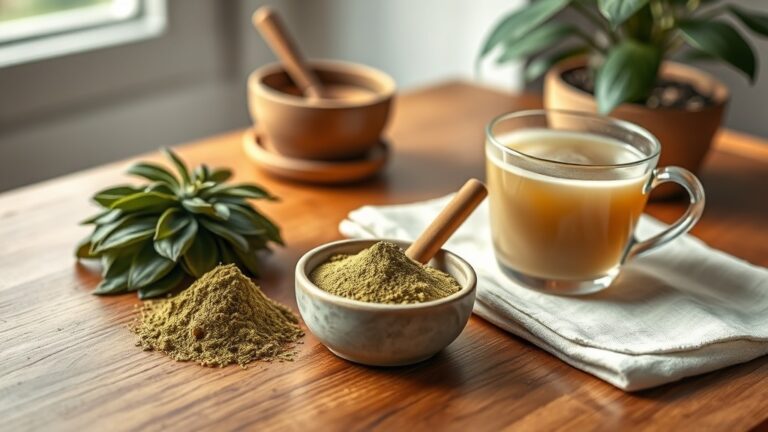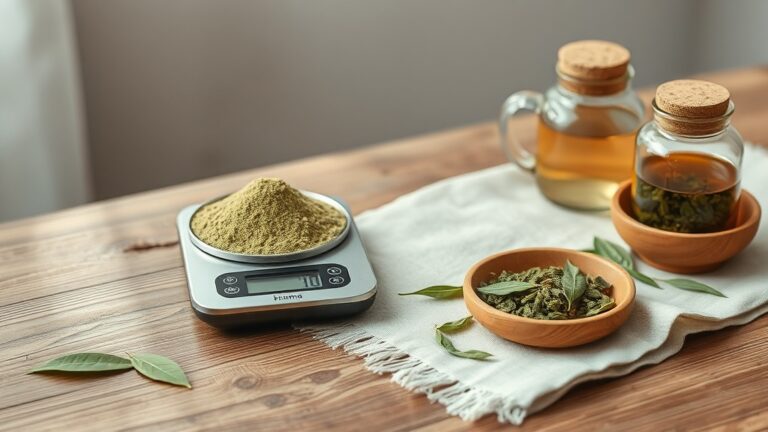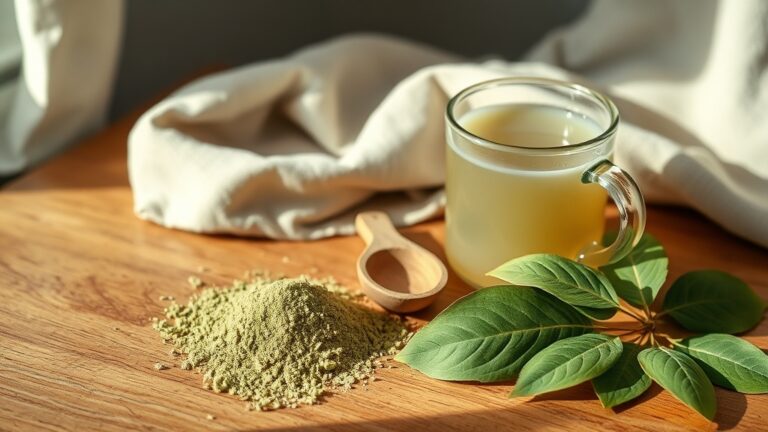



Pure leaf kratom is about as close as you can get to the original plant. For generations, laborers across Indonesia, Thailand, and Malaysia have chewed fresh Mitragyna speciosa leaves straight off the tree. That tradition has real roots — but modern buyers should know what they’re signing up for before assuming “raw” means “better.”
There’s something appealing about a product that feels unprocessed and tied to old-world practice. Still, authenticity and quality aren’t the same thing, and it’s worth separating the two.
What Pure Leaf Kratom Actually Is
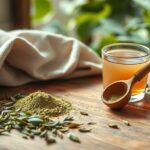
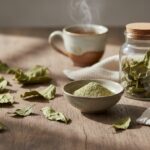
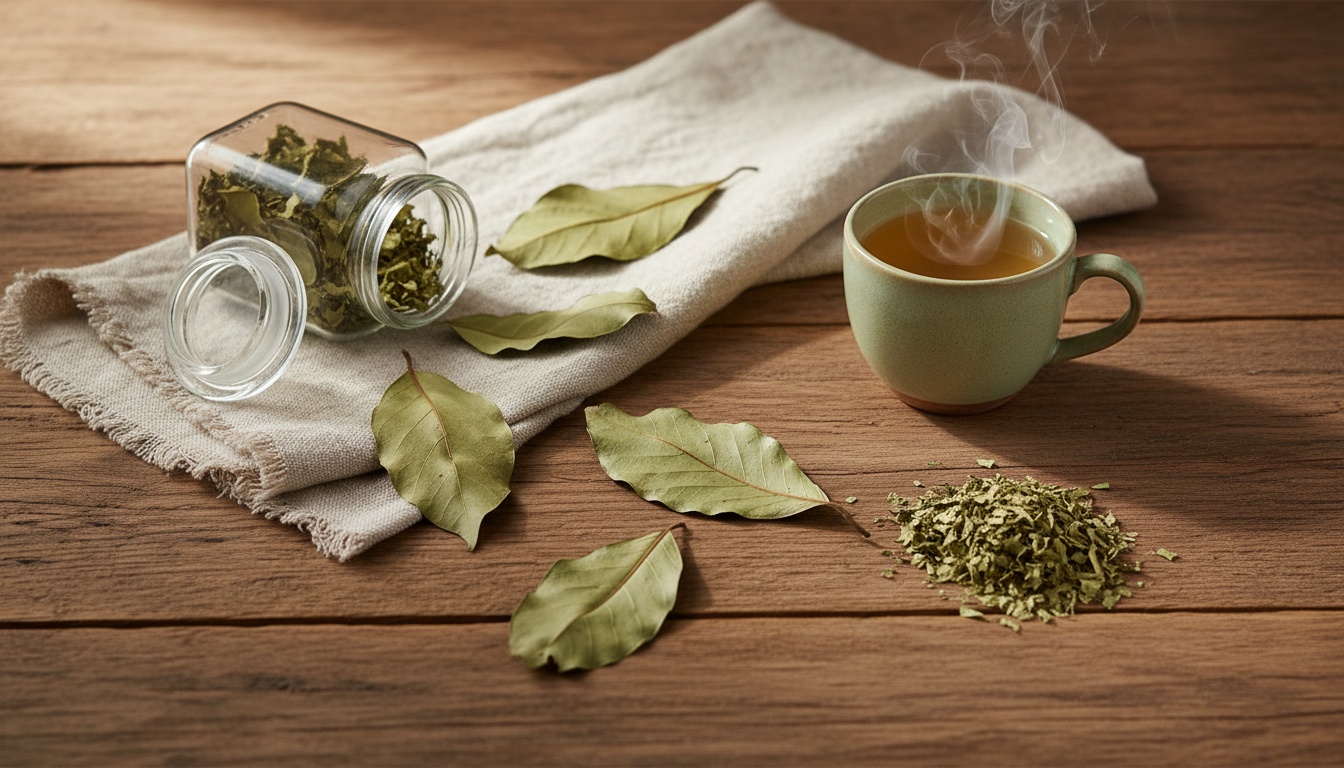
Pure leaf kratom is dried Mitragyna speciosa leaf that’s gone through very little processing — just drying and crushing, mostly. Unlike powder, which gets ground down and standardized, pure leaf keeps its original structure. You’ll notice leaf veins, stems, and natural color variation still intact.
Producers typically air-dry or sun-dry the leaves, then break them into smaller pieces suitable for tea or other preparation methods.
How It Was Traditionally Used
Historically, workers chewed fresh leaves multiple times a day to get through physically exhausting labor — farming, construction, that kind of work — in hot, demanding conditions. The leaves helped them push through fatigue and stay alert on long shifts.
Tea was a separate ritual, usually reserved for winding down after work or for social occasions.
This matters because the whole tradition was built around eating or brewing leaves shortly after picking them — not storing dried leaf for months at a time, which is how most people encounter it today.
The Downsides of Raw Leaf
Traditional users managed these issues through experience and local knowledge. Modern consumers usually don’t have that same buffer.
Uneven alkaloid levels. Tree age, growing conditions, harvest timing, and even which part of the leaf you’re getting all affect alkaloid content. One batch might feel mild; the next could hit much harder.
Hard-to-judge dosing. Without any standardization, figuring out how much to use is mostly guesswork, since leaf size, density, and potency shift from batch to batch.
More prep work. Raw leaf takes longer to brew than powder, and the results are less predictable.
Shorter shelf life. Dried leaf loses potency within months, not years, compared to processed powder.
Safety Concerns Worth Knowing
Raw plant material carries risks that processing is specifically designed to reduce.
Some commercial kratom samples have tested positive for dangerous bacteria, including strains of Salmonella, which has led to recalls from multiple companies. Pure leaf faces some additional risks on top of that:
- Ground-picked leaf. High mold counts often point to leaf that was collected off the ground rather than picked fresh, or dried and stored improperly.
- Outdoor exposure. Leaves dried in the open are vulnerable to dust, insects, bird droppings, and other contaminants.
- Storage problems. Without careful moisture control, dried leaf can develop mold, bacteria, or fungal growth over time.
- Heavy metals. Kratom plants absorb heavy metals from soil, and in some cases concentrations can climb higher than what’s considered safe.
Processing vs. Pure Leaf
Modern processing solves a lot of these problems without stripping out what makes kratom useful. Processed kratom goes through controlled drying, grinding, and standardization. Lab testing catches contamination before it reaches shelves, and proper storage keeps the product viable much longer.
Facilities that follow GMP standards use documented, repeatable procedures. Third-party testing adds an independent check on both safety and potency. Some pure leaf fans argue that processing strips away natural qualities or changes the plant’s character — but done correctly, processing keeps alkaloid content intact while cutting out the safety risks.
When Pure Leaf Actually Makes Sense
Despite the drawbacks, there are situations where pure leaf is a reasonable choice.
- Tea brewing. Whole leaf lends itself to traditional tea preparation, which some people find gentler than powder.
- Cultural interest. If you’re drawn to traditional methods, pure leaf offers a more direct connection to that practice.
- Slower onset. Tea tends to bring on effects more gradually than powder does.
- Hands-on learning. Some people simply enjoy the process of preparing kratom the old-fashioned way.
If You Choose Pure Leaf, Do This
Check your source. Only buy from suppliers who share detailed sourcing information and lab results.
Look before you use it. Inspect leaves for mold, odd coloring, or unusual smell. Healthy dried leaf should be green to brown — no black spots, no fuzzy growth.
Store it right. Keep leaf in an airtight container, away from moisture and sunlight, and check periodically for signs it’s going bad.
Start small. Since potency varies so much, begin with a low amount and adjust gradually based on how you respond.
Keep things clean. Use clean equipment and filtered water when brewing tea, and strain thoroughly.
Take notes. Track batch differences, effects, and preparation methods so you build up your own reference points over time.
An Honest Take
Pure leaf kratom connects you to how the plant has traditionally been used, but that connection comes with real trade-offs. Potency is unpredictable. Contamination risk is higher without processing controls. Preparation takes more time. Shelf life is shorter than processed alternatives.
None of that means you should avoid it outright — it just means going in with clear eyes. Traditional users built up tolerance for this unpredictability through daily practice and cultural know-how. Most modern consumers, understandably, want something more consistent.
Making the Choice
Whether pure leaf or processed kratom makes more sense for you comes down to what you value and how much variability you’re willing to tolerate.
Pure leaf suits people who care about traditional methods, don’t mind extra hands-on effort, and can live with some unpredictability — as long as the supplier backs it up with quality documentation and testing.
Processed kratom makes more sense if you want consistency, convenience, and verified safety. Good processing keeps kratom’s core properties intact while addressing the weak points of raw material. Powder, capsules, and other processed formats give you standardized dosing and a longer shelf life, and options like tinctures add precision and convenience on top of that.
Both routes can work well, as long as you’re buying from a responsible source and using the product sensibly.
Bottom Line
Pure leaf kratom is the plant in its most traditional form — carrying both the value and the baggage of centuries of use. Authenticity matters, but it shouldn’t come at the expense of safety or practicality. Traditional isn’t automatically superior, and processed isn’t automatically worse.
The realistic view is that pure leaf works fine for some people in specific situations, while most consumers are better served by processed alternatives — and there are good reasons for that preference.
Whatever you choose, pick suppliers who take testing, quality, and transparency seriously. The plant deserves that, and so do you.
Frequently Asked Questions
Is pure leaf kratom stronger than powder?
Not really. It often comes across as weaker, since alkaloid distribution is uneven and stems and veins — which carry fewer alkaloids — are typically still included.
How long does pure leaf kratom last?
Stored properly, dried leaf holds potency for roughly 6–12 months, versus 1–2 years for processed powder. Keep it in an airtight container away from light and moisture.
Can I grind pure leaf kratom myself?
Yes, though home grinding won’t get as fine as commercial powder. Removing stems and veins beforehand helps.
Is pure leaf kratom safer than processed kratom?
No — it actually carries more contamination risk because it skips most processing steps. Lab-tested processed kratom generally offers stronger safety assurances.
What’s the best way to prepare pure leaf kratom?
Tea is the standard method. Simmer 5–10 grams in water for 15–20 minutes, strain well, and add lemon juice to help with extraction.
Why does pure leaf kratom cost more than powder?
Lower production volumes, more specialized handling, and smaller market demand tend to push the per-gram price up.
Should beginners start with pure leaf kratom?
Probably not. The unpredictable potency and more involved preparation make processed kratom a friendlier starting point for new users.