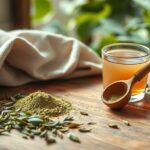
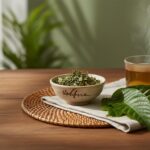

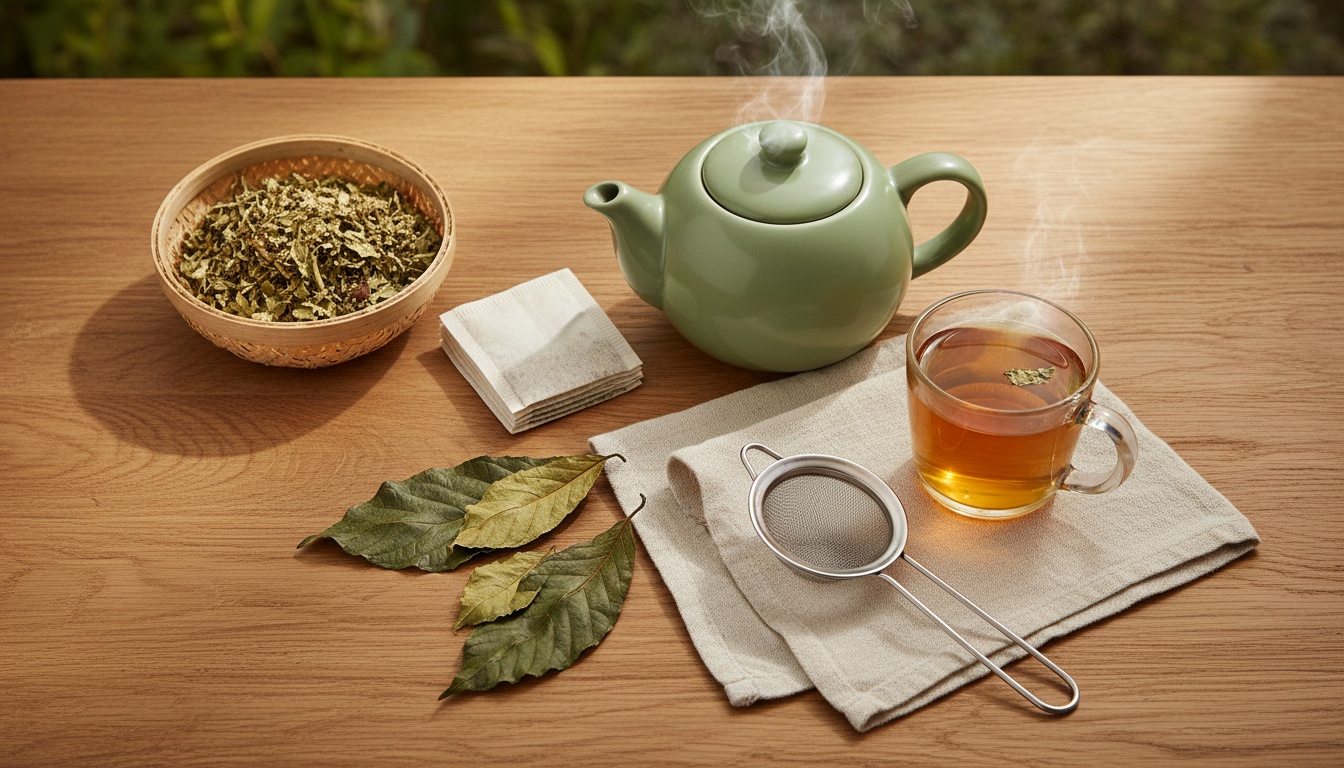
If the gritty texture of kratom powder puts you off, tea is worth a look. It sidesteps that problem entirely, giving you a smoother, more traditional way to take kratom. But once you decide on tea, there’s a second choice waiting: loose-leaf or pre-bagged.
Both options work fine. Both have loyal users. The real question is which one matches how you live, how experienced you are with kratom, and what you actually care about — control, cost, or convenience. Here’s a breakdown of the practical differences so you can pick with confidence.
What Is Loose-Leaf Kratom?
Loose-leaf kratom is dried leaf that’s been crushed or cut into pieces suitable for steeping — think of it like loose-leaf tea rather than a fine powder.
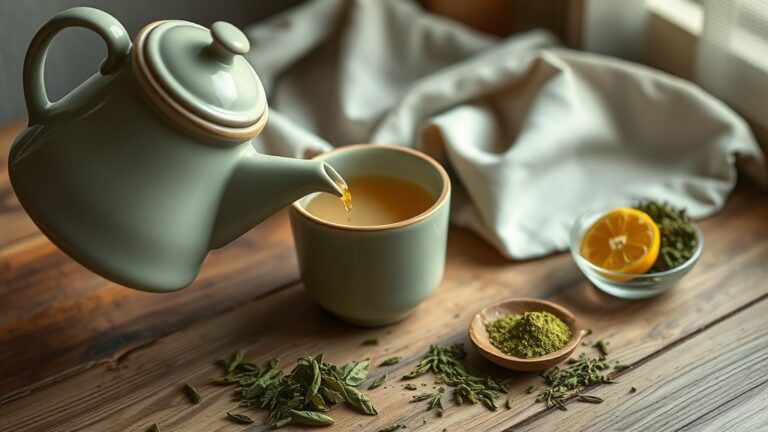
Because it keeps larger leaf fragments instead of being ground fine, it’s built for steeping and straining. You measure out a dose, drop it into hot water, let it steep, then strain out the solids. What’s left is a clear, earthy tea with none of the grit you’d get from drinking powder mixed into liquid.
You’ll often see this sold as crushed leaf or tea-cut kratom. Gram for gram, it’s roughly as potent as powder, so there’s no need to adjust your dose if you’re switching formats.
What Is Tea-Bag Kratom?
Tea-bag kratom is pre-measured leaf sealed into individual bags, the same way you’d buy chamomile or green tea at the store.
Each bag typically holds somewhere between 2 and 5 grams, depending on the brand. Steep it, pull the bag out, and you’re done — no scale, no strainer, no cleanup beyond throwing away the bag.
This format exists purely for convenience. It travels well, doesn’t draw attention, and takes the guesswork out of brewing.
Comparing the Two Formats
Customization
With loose-leaf, you control everything — how much you use, how long you steep, water temperature, final strength. Want it lighter? Cut the steep time. Want it stronger? Add more leaf.
Tea bags are fixed. You can play with steep time, but the dose per bag doesn’t change unless you use more than one.
Winner: Loose-leaf
Convenience
Loose-leaf needs measuring, a strainer or infuser, and a little cleanup afterward.
Tea bags need none of that — steep, remove, drink.
Winner: Tea-bag
Cost
Buying loose-leaf in bulk and portioning it yourself is almost always cheaper per gram.
Tea bags cost more because you’re paying for the convenience of pre-measured, individually sealed portions.
Winner: Loose-leaf
Portability
Loose-leaf can travel with you, but you’re bringing a strainer, a scale, and a storage container along for the ride.
Tea bags fit in a bag or pocket and look like ordinary tea — nothing to pack, nothing to explain.
Winner: Tea-bag
Dose Control
With loose-leaf, you decide exactly how much goes into your cup, which suits people who already know their preferred amount.
Tea bags come with the dose already set by the manufacturer — less flexibility, but also less chance of miscalculating.
Winner: Loose-leaf
Ease of Use
Loose-leaf takes a bit of practice — brewing technique, straining, getting the measurement right.
Tea bags require zero learning curve. If you can make a cup of tea, you already know how to use one.
Winner: Tea-bag
Who Should Go With Loose-Leaf?
Loose-leaf makes sense if you:
- Want full control over your dose
- Already have a good sense of what works for you
- Care more about cost per gram than speed
- Don’t mind a bit of extra prep
- Like experimenting with steeping time and strength
It suits people who treat their tea as a bit of a ritual — measuring, adjusting, and dialing in the exact cup they want.
Who Should Go With Tea Bags?
Tea bags make more sense if you:
- Want something fast and simple
- Travel often or need something easy to pack
- Are new to kratom tea and want a straightforward starting point
- Prefer knowing exactly what dose you’re getting every time
- Don’t want to deal with straining or cleanup
This format is built for people with busy schedules or anyone who’d rather skip the extra steps and just get to drinking.
How to Brew Either One Properly
The format changes, but the brewing basics stay the same.
Step 1: Heat your water. Bring it to a boil, then let it sit for 30 to 60 seconds. You’re aiming for roughly 185–205°F (85–96°C). Research from Dr. Oliver Grundmann and other kratom researchers has found that boiling water actually pulls out more alkaloids than very hot water — so the idea that boiling ruins kratom’s compounds doesn’t hold up.
Step 2: Add your kratom. For loose-leaf, measure out 2 to 5 grams and place it in an infuser or strainer. For tea bags, just drop the bag in.
Step 3: Add lemon juice, if you want. A tablespoon of lemon juice or a splash of apple cider vinegar helps extract alkaloids and cuts some of the bitterness.
Step 4: Steep for 10 to 15 minutes. The longer it sits, the stronger — and more bitter — it gets.
Step 5: Strain (loose-leaf only) and drink. Remove the plant matter, add honey or ginger if you like, and enjoy.
Picking a Strain
Both formats come in different strains, sorted by vein color. A peer-reviewed study surveying 644 kratom users found that people reported distinct experiences tied to different strains, generally matching how vendors describe them. Lab analysis of the products’ alkaloid content backed up the red/green/white classification system used across the industry.
Red vein — often linked to relaxation and stress relief. Common picks: Red Bali, Red Maeng Da, Red Borneo.
Green vein — usually described as balanced, with moderate energy and focus. Common picks: Green Malay, Green Maeng Da, Green Thai.
White vein — often associated with energy and mental clarity. Common picks: White Borneo, White Maeng Da, White Thai.
If you’re just starting out, a green vein strain is a reasonable middle ground.
What Matters More Than Format: Quality
Whichever style you pick, quality should be your first filter.
Third-party lab testing. Every batch should have test results confirming it’s free of heavy metals, mold, and bacteria. If a vendor won’t share lab reports, walk away.
Wild-harvested leaves. In Southeast Asia, farmers climb trees over 50 feet tall to hand-pick mature leaves, which tend to carry higher alkaloid concentrations than leaves from commercial farms.
GMP-certified processing. Look for products made in an AKA GMP-qualified facility — it means the kratom was handled, packaged, and stored to consistent safety standards.
Transparent sourcing. Alkaloid levels shift with the seasons. Research on this has found notably lower total alkaloid content in fall harvests compared to winter and summer ones, so trustworthy vendors account for that variation rather than ignoring it.
Making the Call
There’s no universally right answer — it comes down to what you value.
Go loose-leaf if you want control over dose and strength, care about cost per gram, and don’t mind a few extra minutes of prep. Go tea-bag if speed, portability, and simplicity matter more to you than fine-tuning your cup.
Plenty of people keep both on hand: loose-leaf for home, tea bags for travel or busy mornings. Either way, the brewing basics don’t change — hot water in the 185–205°F range, a 10 to 15 minute steep, and kratom from a vendor you trust.
Frequently Asked Questions
Is loose-leaf stronger than tea-bags?
Not really. Gram for gram, they’re similar in potency. The real difference is control — loose-leaf lets you set the exact dose, while tea bags come pre-measured. Strength mostly comes down to how much you use and how long you steep it.
Can I re-steep loose-leaf kratom?
Yes. A second steep of the same leaf will be weaker but still pulls out some alkaloids. Steep the second cup a bit longer to compensate.
How much kratom is in a typical tea bag?
Usually 2 to 5 grams, depending on the brand — check the packaging. If you’re used to a specific dose with powder, make sure the bag matches it.
Do I need lemon juice in my kratom tea?
Not required, but it helps. It improves alkaloid extraction and softens the bitterness. About a tablespoon per cup is plenty.
Can I drink kratom tea cold?
Yes. Brew it hot, then let it cool or refrigerate it. The alkaloids stay stable once extracted, and iced kratom tea is a common choice in warmer weather.
Does kratom tea taste bad?
It has an earthy, somewhat bitter taste, though it’s generally milder than raw powder. Some people drink it plain; others sweeten it with honey or agave, or add ginger or mint.