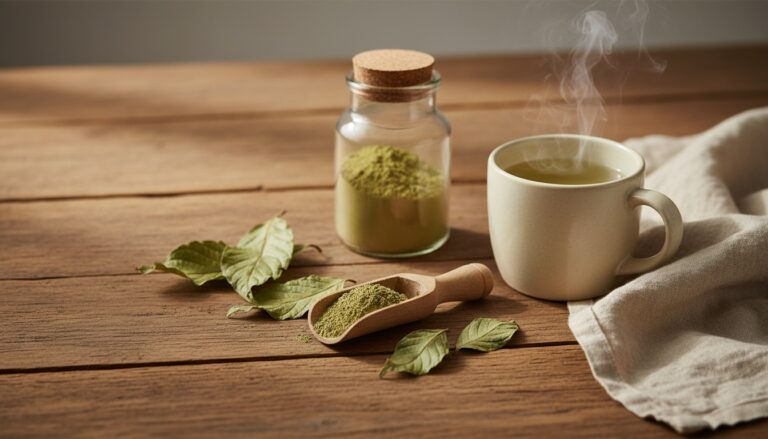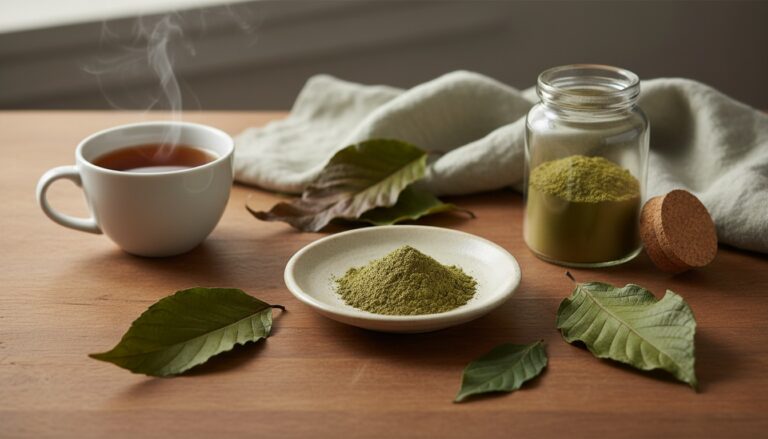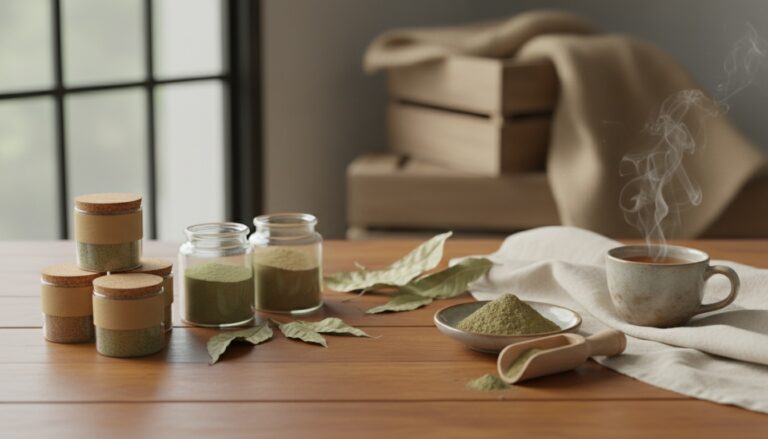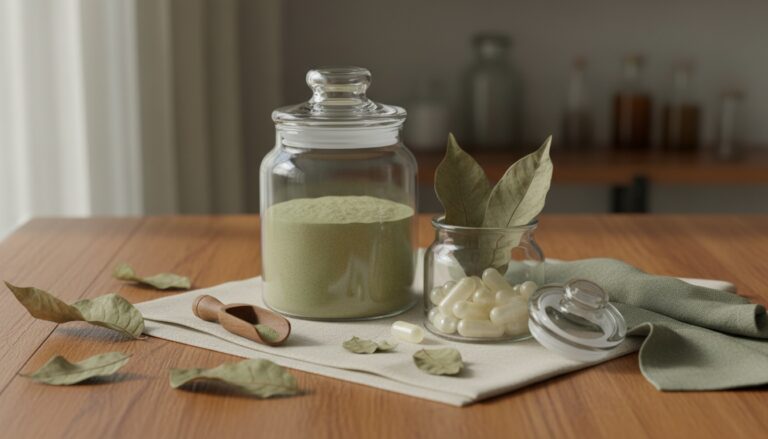




Kratom comes from a tree native to Southeast Asia, and its leaves are dried and processed into powders or capsules that many people incorporate into their daily routines. Like most plant-based products, though, kratom doesn’t stay at its best forever. Freshness affects everything from aroma to overall potency, so knowing what to look for can save you from wasting money on a product that’s already past its prime.
The good news is that spotting fresh kratom doesn’t require special training. A few visual and sensory checks will tell you most of what you need to know before you commit to a purchase — or before you decide whether that bag sitting in your cabinet is still worth using.
Check the Color First
Color is usually the quickest tell. Fresh kratom holds a vibrant, saturated hue that varies by strain but should never look flat or faded.
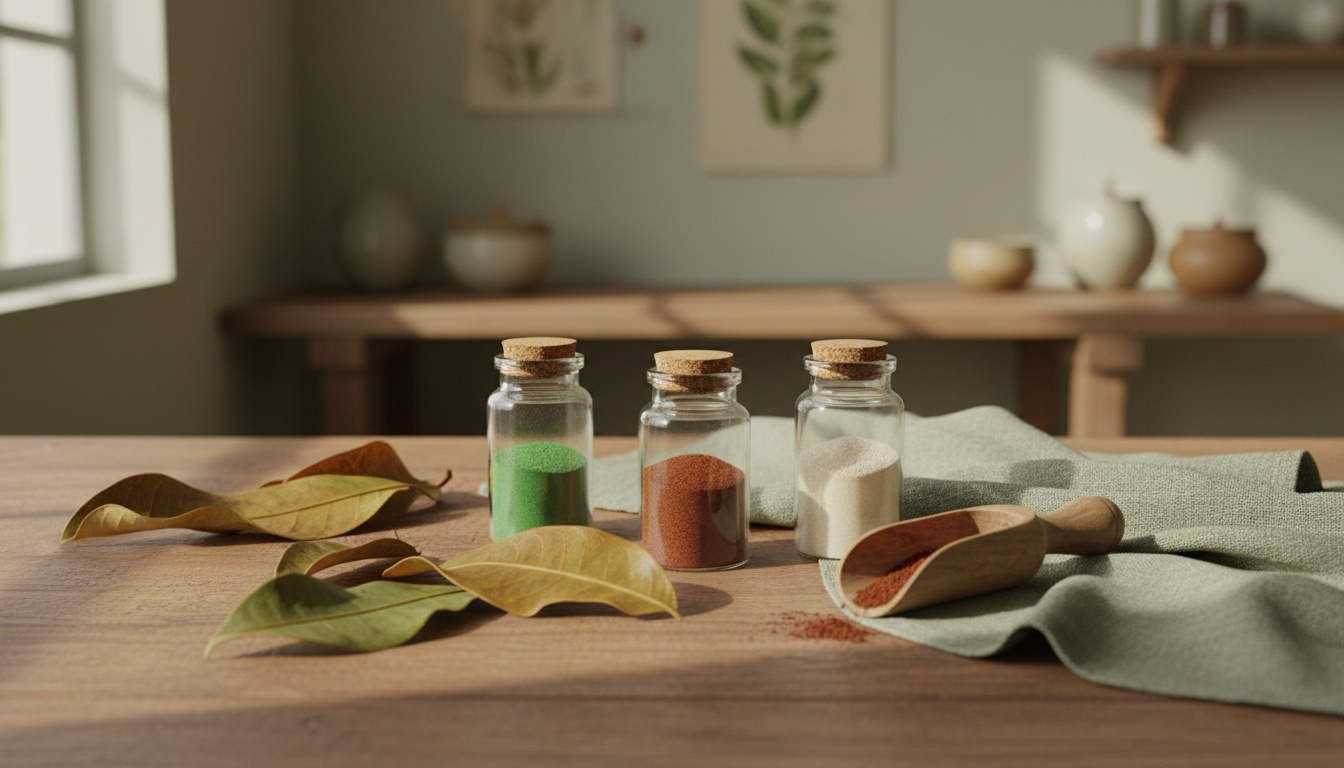
- Green vein kratom should show a bright, lively green — not a brownish or mustard cast.
- Red vein kratom should carry a deep, rich red, free of any gray or muddy undertone.
- White vein kratom should look clean and creamy, almost pure white.
This applies whether you’re buying loose powder or capsules — just hold the container up to the light and take a look. If the color seems muted or off from what’s typical for that strain, it’s often an early warning sign that the batch has been sitting around too long or wasn’t stored well before it reached you.
Trust Your Nose
Smell tells you almost as much as color does. Fresh kratom has a clean, earthy scent — something between grassy and tea-like — that you should notice as soon as you open the container. Each strain has its own subtle character, but none of them should smell off in any way.
A sour, musty, or damp odor is a clear red flag. That kind of smell usually means moisture got into the product at some point, whether during storage or shipping, and moisture speeds up degradation. If it reminds you of a basement or a forgotten kitchen cabinet, that’s not a smell you want anywhere near what you’re consuming. Once you’ve smelled a genuinely fresh batch, it becomes much easier to notice when something’s not right.
Feel the Texture
Texture is another reliable indicator. Fresh kratom powder should feel fine and light, similar to baby powder, and it should pour smoothly without clumping. Powder that feels gritty, uneven, or sticky has likely picked up moisture or been exposed to heat and air for too long.
Capsules deserve a quick check too. Give the bottle a shake — the capsules should move freely and not stick together. If you notice clumping or any discoloration, open one and look inside. The powder should still be dry and smooth, not compacted into hard chunks. A texture change doesn’t automatically mean the kratom is unusable, but it usually signals reduced potency compared to when it was first packaged.
Packaging and Storage Matter Just as Much
Even a fresh batch won’t stay that way long if it’s stored poorly. Good packaging protects the product from the moment it ships, and smart storage habits keep it in good shape at home.
A few things worth checking or doing:
- Look for airtight, resealable packaging — vacuum-sealed pouches or sturdy zip-top bags work best.
- Store kratom somewhere cool and dark. Heat and direct sunlight accelerate breakdown.
- Keep it away from humid spots like kitchen counters near the sink or bathroom shelves.
- Skip loosely closed jars unless they seal tightly. Foil-lined bags or quality resealable pouches tend to hold up better.
- If you buy in bulk, split it into smaller sealed portions so you’re only opening one at a time.
Something as simple as leaving an open pouch near a sink where steam collects can shorten its shelf life noticeably. Resealing the bag properly after every use is a small habit that pays off.
Making Freshness Part of Your Routine
Once you know what to look for, checking kratom for freshness takes only a minute or two — glance at the color, take a whiff, and feel the texture. If all three line up with what a quality batch should look and feel like, you’re in good shape. If something seems off, it’s worth reconsidering that purchase or checking how it’s been stored.
Stale kratom isn’t necessarily unsafe, but it’s unlikely to deliver the experience you’re expecting. Building a habit of checking freshness at the time of purchase, and storing it properly afterward, goes a long way toward getting consistent, satisfying results every time you use it.