


Dopamine drives a lot of what makes life feel worth doing—motivation, focus, that sense of satisfaction after finishing something hard. When levels dip, people notice: tasks feel heavier, concentration slips, and daily life can feel flatter than usual. Pharmaceutical options exist, but a growing number of people are looking toward older, plant-based approaches instead.
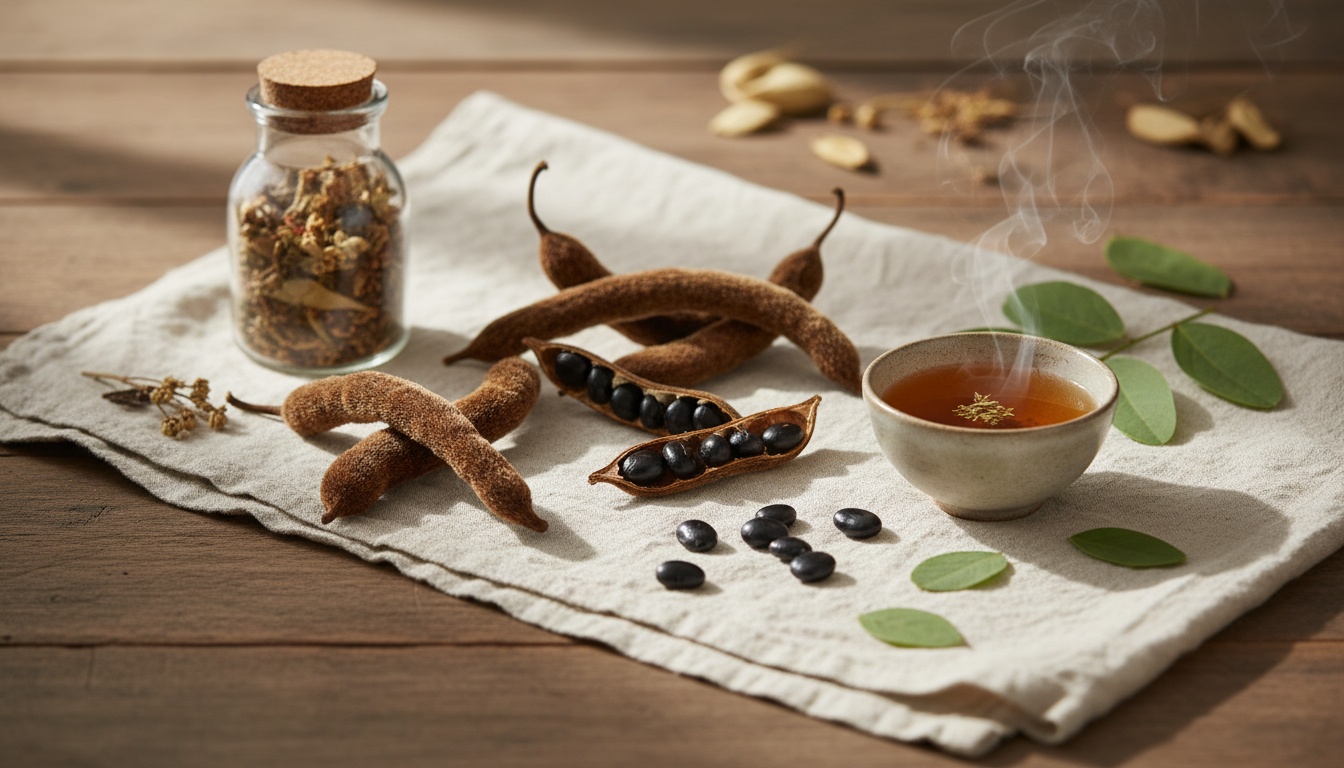
One of those is mucuna pruriens, also called velvet bean, a climbing legume that’s been part of Ayurvedic tradition for generations. Researchers are now taking a closer look at why this plant might help support dopamine levels the natural way. Here’s a rundown of what’s known so far.
What Sets Mucuna Pruriens Apart
The standout feature of mucuna pruriens is its natural L-DOPA content—a compound your brain converts directly into dopamine.
Most plant compounds that claim to support brain chemistry work through indirect pathways. L-DOPA is different. It crosses the blood-brain barrier and gets converted into dopamine right where it’s needed, which is part of why it draws so much scientific interest.
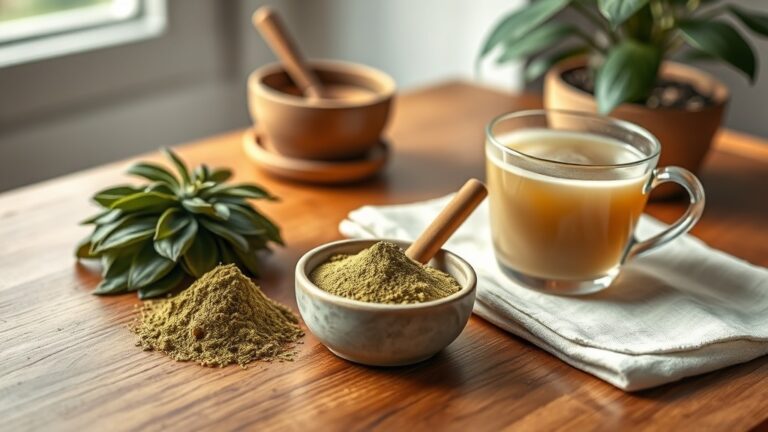
Velvet bean seeds generally contain 3 to 7 percent L-DOPA by weight, though the exact amount depends on how the plant was grown and processed. That natural concentration is the main reason mucuna pruriens keeps coming up in dopamine-related research.
The bean also contains smaller amounts of serotonin, trace nicotine, and various antioxidant compounds, which may play a role in its long history of traditional use.
A Long History, Renewed Attention
Practitioners of Ayurvedic medicine have relied on mucuna pruriens for thousands of years, typically to support energy, mental sharpness, and overall vitality.
Classical Ayurvedic texts group it among the rasayanas—herbs believed to promote long-term health and rejuvenation. It was also traditionally used to support mood and reproductive health.
Modern science has zeroed in mostly on the L-DOPA angle, with early studies examining how mucuna might affect mood, motivation, and cognitive performance. Much of this research is still in its early stages, but the interest is real.
Anecdotally, people using mucuna today often describe feeling sharper and more driven, especially when dealing with stressful stretches or heavy mental workloads.
How L-DOPA Feeds Dopamine Production
Think of L-DOPA as raw material for making dopamine.
Normally, your body makes L-DOPA from the amino acid tyrosine, then converts it into dopamine through a series of enzyme-driven steps. Taking mucuna pruriens adds extra L-DOPA into that pipeline, giving your brain more material to work with.
This is a different mechanism than most prescription dopamine drugs, which typically either slow down dopamine breakdown or push the body to overproduce it. Mucuna instead works with the body’s existing production process.
That said, results vary a lot from person to person. Your starting dopamine levels, general health, and even genetic differences in how you metabolize dopamine all shape how you’ll respond.
What Users Commonly Report
People who take mucuna pruriens often mention feeling more motivated, more mentally clear, and generally more even in mood.
Some describe an easier time pushing through difficult tasks or staying focused during demanding work. Others notice a better overall mood and more enjoyment in everyday activities.
It’s also popular among people focused on fitness, since dopamine plays a part in the reward and motivation that keeps people showing up for workouts.
Others turn to mucuna specifically during high-stress periods, when their usual drive and energy feel worn down, or as part of a morning routine meant to carry them through the day. As with most supplements, individual results differ quite a bit—what works well for one person might do little for someone else.
Dosing and Timing
Most people start small and adjust from there.
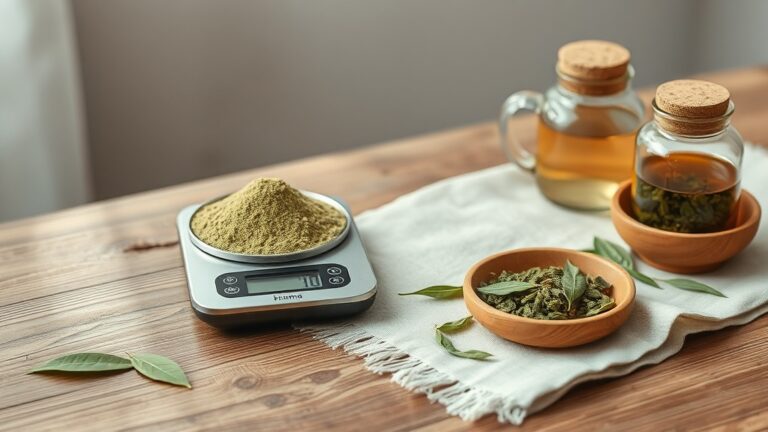
A typical starting dose falls somewhere between 100 and 500 mg of mucuna extract, though the right amount depends heavily on the extract’s strength and your personal sensitivity. Starting low and increasing gradually is the more common approach.
Timing matters too. Some people prefer taking it in the morning to support focus throughout the day; others take it 30 to 60 minutes before something mentally demanding.
Food can affect how it feels. Taking mucuna with a meal may ease stomach discomfort, though some people report stronger effects on an empty stomach. It’s worth experimenting to see what suits you.
Consistency tends to matter more than precise timing—many users say regular use produces more noticeable, reliable benefits than sporadic dosing.
Why Product Quality Makes a Difference
Not all mucuna pruriens products are created equal, and L-DOPA content can vary enormously between them.
Raw powdered bean usually contains 3 to 7 percent L-DOPA, while standardized extracts can reach 15 to 20 percent or higher. Knowing which type you’re using matters for dosing accurately.
Look for suppliers who publish lab results showing actual L-DOPA levels. A product labeled only as “mucuna pruriens,” with no standardization data, makes it nearly impossible to know what you’re actually taking.
How the beans are processed also matters. Careful handling preserves L-DOPA content while removing irritating compounds naturally present in the bean’s outer coating.
Given how much quality varies by source, third-party testing for contaminants, heavy metals, and microbial content is especially important with this particular supplement.
Safety and Drug Interactions
Mucuna pruriens isn’t right for everyone, and it can interact with certain medications.
Because it contains L-DOPA, it may interact with drugs that affect dopamine levels—this includes some antidepressants, antipsychotics, and Parkinson’s medications. Anyone on prescription medication should check with a healthcare provider before trying it.
Side effects like nausea, headaches, or jitteriness show up occasionally, usually at higher doses early on. These often fade with consistent, lower-dose use.
People with certain mental health conditions, or those on medications that affect neurotransmitters, should be cautious, since individual reactions can be hard to predict.
Pregnant or nursing women should avoid mucuna altogether, since L-DOPA can influence hormone levels and fetal development.
Pairing Mucuna With Healthy Habits
Mucuna pruriens tends to work best alongside other habits that support dopamine function naturally, rather than as a standalone fix.
Exercise, good sleep, and stress management all contribute to healthy dopamine levels on their own. Combining these with mucuna often produces better results than relying on the supplement alone.
Protein intake is worth considering too. Other amino acids compete with L-DOPA for the same absorption pathways, so some people find it works better taken apart from protein-heavy meals.
Nutrients like iron, folate, and vitamin B6 support the enzymatic steps that turn L-DOPA into dopamine, and a balanced diet usually supplies these without extra effort.
Cutting back on excess caffeine, alcohol, and heavily processed food may also help your body respond more consistently to mucuna.
Keeping Expectations Realistic
Mucuna pruriens is a genuinely interesting natural option for supporting dopamine function, but it’s not a cure-all for deeper motivation or mood struggles.
Most people notice modest improvements in energy and focus rather than dramatic shifts, and the effects tend to stand out most during high-stress or high-demand periods.
How well it works depends on your genetics, baseline dopamine levels, general health, and lifestyle. A dose that works wonders for one person might barely register for another.
It’s best viewed as one piece of a broader approach to mental energy and motivation—not the whole solution.
Choosing a quality product and paying attention to your own response matters more than following a one-size-fits-all protocol. As research continues, we’ll likely get a clearer picture of who benefits most and how to use it effectively.
Frequently Asked Questions
How long does mucuna take to work?
Many people notice effects within 30 to 90 minutes, though some find benefits only build up after several days of regular use.
Can I take mucuna every day?
Some people do take it daily, but starting with occasional use and watching how your body responds is a safer way to begin.
What’s the difference between mucuna powder and extract?
Raw powder has around 3 to 7 percent L-DOPA; standardized extracts run 15 to 20 percent or higher, making dosing more predictable.
Does mucuna cause tolerance?
Some users report effects fading over time, though there’s limited research on this specifically. Taking occasional breaks may help.
Can I combine mucuna with coffee?
Many people do without trouble, but combining it with caffeine can increase jitteriness in those who are more sensitive.
Is mucuna safe for long-term use?
Traditional use suggests it can be, but responses vary by individual. Anyone using it long-term should monitor their experience and check in with a healthcare provider periodically.