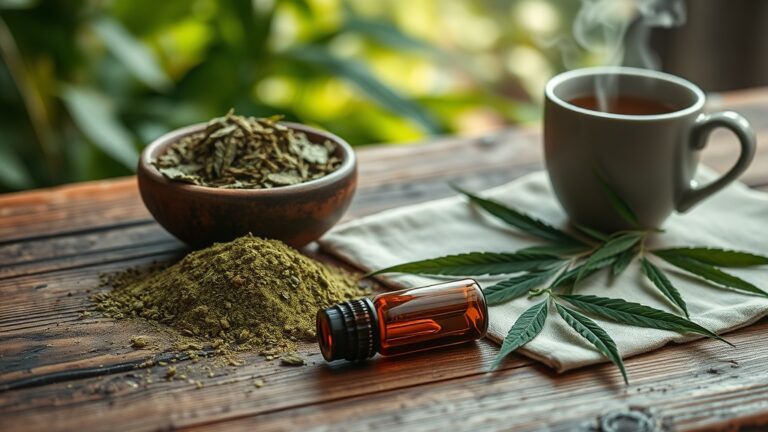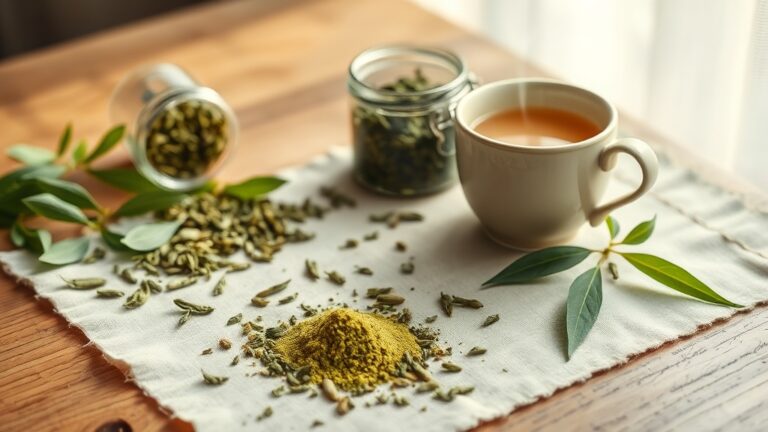




If kratom doesn’t hit the way it used to, the easy fix is bumping up your dose. But there’s a smarter option: potentiators. These are natural substances that work with your body’s chemistry to stretch out kratom’s effects, make them stronger, or slow down the tolerance curve — no extra kratom required.
The best part is that several of the most effective ones are probably sitting in your kitchen right now.
What Actually Makes a Potentiator Work
Your liver breaks down kratom’s alkaloids using enzyme pathways, mainly one called CYP3A4. Slow that pathway down, and the active compounds hang around in your system longer.
Different potentiators work in different ways. Some block the enzymes that metabolize kratom. Others help your gut absorb more of it. And a few just create effects that complement kratom through separate pathways in the brain.
The goal isn’t to pile substances on top of each other — it’s synergy. You’re nudging your own biochemistry to get more out of what you’re already taking.
Here are four options with solid pharmacological backing and a track record of consistent results from users.
1. Grapefruit Juice
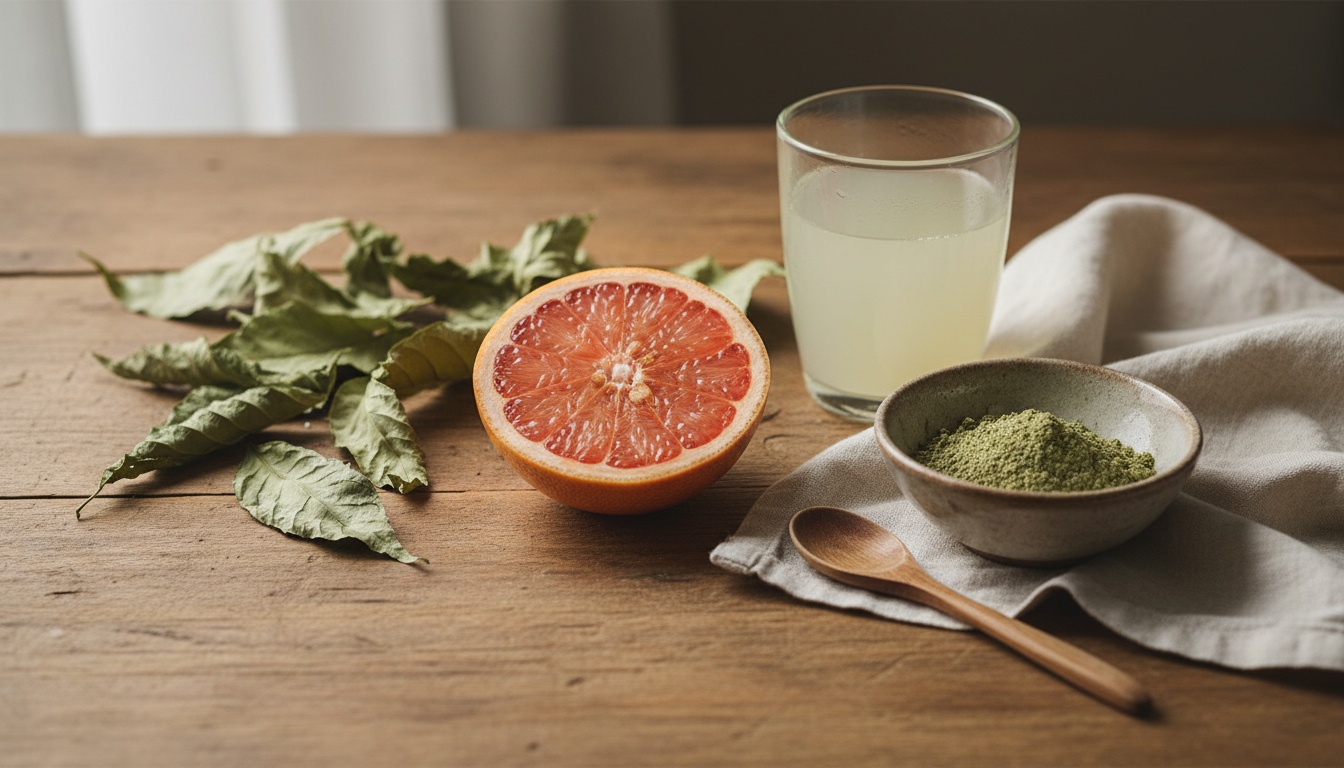
Grapefruit juice is probably the best-studied natural enzyme inhibitor out there. It’s loaded with furanocoumarins, compounds that specifically shut down CYP3A4 activity in the liver.
This is the exact reason grapefruit famously interacts with dozens of prescription medications. When those enzymes slow down, anything processed through that pathway sticks around longer and can feel more intense.
Applied to kratom, this means mitragynine and 7-hydroxymitragynine break down more slowly. A lot of users notice longer-lasting, stronger effects when they drink grapefruit juice 30 to 60 minutes before dosing.
How to use it: Start with 4-6 ounces of pure juice, ideally on an empty stomach. White grapefruit tends to have more furanocoumarins than pink or red varieties. Some people just stir their kratom powder straight into the juice.
A serious safety note: If you’re on any prescription medication, look into grapefruit interactions before trying this. The same enzyme-blocking effect that boosts kratom also affects blood pressure drugs, statins, and various psychiatric medications. Skipping this check isn’t a good idea.
Other citrus juices like orange or lemon give a mild boost through acidity and vitamin C, but nothing compares to grapefruit’s enzyme-blocking power.
2. Turmeric with Black Pepper
Turmeric’s active compound, curcumin, inhibits several metabolic enzymes and transport proteins in the body. Studies show curcumin can significantly improve how well certain plant compounds get absorbed — especially when paired with piperine, the compound in black pepper.
This combo works on two fronts. Curcumin slows the breakdown of kratom’s alkaloids, and it also brings anti-inflammatory effects that some people find pair nicely with their kratom experience.
Black pepper adds to the effect by blocking a liver and gut process called glucuronidation. That’s exactly why supplement companies almost always pair curcumin with piperine or BioPerine in their products.
How to use it: Mix 1-2 teaspoons of turmeric powder into your kratom dose, along with a good pinch of freshly ground black pepper. The taste is earthy and a bit bitter, but it blends well into orange juice, a smoothie, or warm golden milk.
Some people make a batch of “golden paste” ahead of time — turmeric, coconut oil, black pepper, and a splash of water, cooked into a thick mixture and stored in the fridge. A spoonful added to your kratom prep may boost absorption even further thanks to the fat content.
One warning: turmeric stains everything. Use utensils and containers you don’t mind turning yellow permanently.
3. Caffeine
Caffeine works differently than the other options on this list — instead of slowing metabolism, it adds a complementary effect through separate brain receptors.
Caffeine blocks adenosine receptors, the ones responsible for signaling fatigue. Some kratom alkaloids stimulate the body through adrenergic pathways. Combine the two, and the resulting effect can feel bigger than either one alone.
This pairing works especially well with green or white vein kratom, strains many users already find energizing. Adding 100-200mg of caffeine — roughly one strong cup of coffee — can noticeably sharpen focus and alertness.
How to use it: Brew a strong cup of coffee or green tea and mix your kratom into it, or just take a caffeine tablet alongside your usual dose.
Go easy at first, especially if stimulants tend to hit you hard. This combination can feel intense, and higher amounts may bring on jitters or tension.
Some people also pair caffeine with red vein strains, saying it keeps drowsiness at bay while preserving the calming qualities they’re after. Results vary from person to person, so testing it out is the only way to know.
4. Chamomile
Chamomile takes a completely different route. It contains apigenin, a flavonoid that interacts with the same brain receptors as benzodiazepines, producing a mild calming effect through the GABA system.
Paired with red vein kratom — often described as naturally relaxing — chamomile’s calming pathway may deepen that relaxed feeling without tipping into heavy sedation.
That makes it a solid choice for evening use, whether you’re winding down after work or getting ready for bed.
How to use it: Brew a strong cup of chamomile tea using two tea bags instead of one, and let it steep for 10-15 minutes to pull out more apigenin. Mix your kratom into the tea, or take a chamomile extract capsule (400-500mg) about 20-30 minutes beforehand.
Some users say chamomile takes the edge off green or white vein strains, smoothing out any jitteriness while keeping the energizing effects intact. Testing it yourself is the best way to find out.
Worth noting: Chamomile can make you drowsy. Skip this combination if you need to drive, stay sharp, or operate machinery.
Getting the Most Out of Potentiators
Try one potentiator at a time and pay attention to how your body reacts over a few sessions before adding a second.
Cut your usual kratom dose by 25-30% the first time you try any potentiator. You can always take more later, but starting low keeps things manageable and helps you actually gauge the boost.
Keep a quick log — potentiator used, kratom dose, strain, timing, and how you felt. Patterns show up fast once you start tracking.
Switch up which potentiator you use throughout the week. Relying on the same one every day can build tolerance to the potentiation itself, not just the kratom. Try grapefruit juice on Monday, turmeric on Wednesday, caffeine on Friday — rotating keeps things working.
Quality matters just as much as the potentiator itself. A potentiator only amplifies what you start with, so inconsistent kratom will just give you inconsistent results, amplified.
Safety Reminders
Grapefruit’s interactions with medication are well documented and can be genuinely risky. Talk to your doctor if you’re on any prescriptions before trying this combination.
Some potentiators can also affect how your body processes other substances, including over-the-counter drugs and supplements — so it’s worth checking before combining anything new.
Everyone’s biochemistry is different. What works well for someone else might not do much for you, and that’s normal.
If you notice nausea, dizziness, unusual fatigue, or a racing heart, stop right away. Those are signs your body isn’t handling the combination well.
Anyone who’s pregnant, nursing, or managing a health condition should talk to a healthcare provider before experimenting with new botanical combinations — for both kratom and any potentiator.
The Bigger Picture
Used thoughtfully, potentiators can offer real practical value. They may let you get the same effects from a smaller kratom dose, which can slow tolerance buildup and save money over time.
They also add variety to your routine, which helps keep things from feeling stale while potentially preserving effectiveness longer.
More than anything, potentiators are a reminder that getting good results from botanicals is about understanding how they work, not just how much you take.
It’s worth being honest about the limits of what’s known here. Most of the evidence around kratom-specific potentiation comes from related research on enzyme inhibition, receptor activity, and bioavailability — combined with a lot of consistent user reports, not dedicated clinical studies on kratom itself.
The best way to start is picking one option that fits your goals. Coffee drinkers might naturally gravitate toward caffeine pairings. Anyone worried about tolerance could try grapefruit juice on occasion. If evening relaxation is the goal, chamomile is worth trying first.
Whatever you choose, your results will be your own. Pay attention to what your body tells you, adjust as you go, and treat this as an ongoing process rather than a fixed formula.
Frequently Asked Questions
Can I combine more than one potentiator at once?
Start with one so you understand its individual effect. Once you’re comfortable, you can carefully try complementary pairs like turmeric and grapefruit juice. Hold off on stacking caffeine with multiple other potentiators until you know how your body responds.
How much should I lower my kratom dose when trying a potentiator?
Cut your usual dose by 25-30% the first time. You can increase gradually from there if needed.
Do potentiators work with every kratom strain?
Generally yes, but some pairings work better. Grapefruit juice and turmeric work across the board since they affect metabolism directly. Caffeine pairs best with green or white vein strains. Chamomile works best with red vein strains.
How long do the effects of potentiation last?
It depends on the potentiator. Grapefruit juice’s enzyme-blocking effect can last 24 hours or more. Caffeine and chamomile typically last 4-6 hours. Turmeric may last 6-8 hours. Individual metabolism plays a big role here too.
Can you build a tolerance to potentiators themselves?
Yes. Using the same one every day can dull its effect over time, so rotating between a few different options throughout the week helps keep things working.