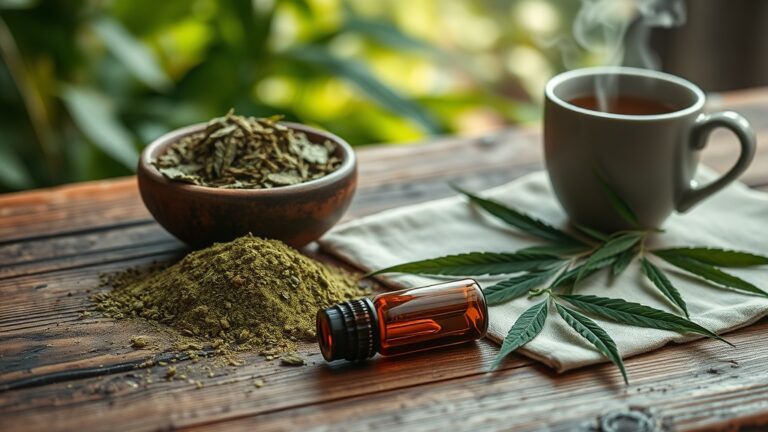





Kratom isn’t simply safe or simply dangerous. Its risk depends heavily on how much someone takes, how often, and what else they’re taking alongside it. In 2021, the World Health Organization’s Expert Committee on Drug Dependence reviewed the evidence and decided there wasn’t enough data to recommend placing kratom under international drug scheduling. At low-to-moderate, occasional doses, adverse effects tend to be mild. Daily high-dose use is a different story, carrying real risk of dependence, drug interactions, and dose-related side effects. Notably, nearly every documented kratom-related death involved another central nervous system depressant taken at the same time — not kratom by itself.
So is kratom safe? The honest answer sits somewhere between the extremes. Kratom (Mitragyna speciosa) isn’t the dangerous poison some regulatory warnings suggest, nor is it the risk-free herb some sellers claim. A growing body of peer-reviewed research, a formal WHO review, and clinical pharmacokinetic studies in healthy adults give us a clearer, more grounded picture. This guide walks through what that evidence actually says, organized around dose and pattern of use.
What does clinical research say about kratom safety?
In 2022, researcher Tanna and colleagues published the first clinical pharmacokinetic study of kratom in healthy human adults, measuring how the body absorbs, distributes, metabolizes, and clears mitragynine and related alkaloids after a standard oral dose. A few things stood out:
- Mitragynine absorbed well orally, showing up in the bloodstream within about an hour
- Its half-life ran roughly 23–24 hours, which lines up with how people typically dose once or twice a day
- No serious adverse events occurred at the doses tested
- Pharmacokinetics varied quite a bit from person to person, which is part of why standardized dosing guidelines are inherently imprecise
A separate 2022 survey by Smith and colleagues looked at self-reported dosing patterns among 129 regular kratom users in the US. Most felt effects within 15–30 minutes, fading within a few hours. More than a quarter had increased their dose over time, while about 19% had cut back. The longer someone had used kratom regularly, the more severe their withdrawal symptoms tended to be when they stopped — a pattern consistent with building tolerance and physical dependence.
An earlier and much larger survey, conducted by Grundmann in 2017, sampled over 8,000 US kratom users. At moderate doses, most reported benefits like pain relief, mood improvement, and increased energy. Side effects — mainly nausea, constipation, dizziness, and sedation — showed up mostly at higher doses.
How does kratom compare to opioids in terms of safety margin?
One useful measure here is the therapeutic index, or TI — the ratio between a lethal dose and an effective dose. A higher number means a wider margin of safety. A 2013 study by Sabetghadam and colleagues calculated this ratio for mitragynine in mice.
Therapeutic index: kratom alkaloids vs. classical opioids
| Substance | Therapeutic Index | Primary Risk Factor |
|---|---|---|
| Mitragynine (purified) | ~20:1 | GI upset, nausea at high doses; drug interactions via liver enzymes |
| Kratom alkaloid extract | ~3:1 | Sedation and respiratory effects, partly from 7-HMG |
| Morphine | ~70:1 in lab settings; much narrower in real-world use | Respiratory depression, physical dependence |
| Fentanyl | Roughly 1.5–3:1 | Respiratory depression, fast onset, extremely narrow margin |
These numbers come from animal studies and don’t translate directly into human safety thresholds. Purified mitragynine’s ratio of about 20:1 is actually narrower than morphine’s laboratory figure — but morphine’s real-world margin shrinks dramatically once you factor in tolerance, respiratory depression, and the risks of illicit supply. The 3:1 ratio for kratom extracts is probably the more relevant number for commercial products, since extracts concentrate several alkaloids at once, including the more potent 7-hydroxymitragynine (7-HMG).
How do side effects change with dose?
Kratom’s side effects scale with how much you take — they become both more likely and more severe as the dose climbs. This point tends to get lost in arguments both for and against kratom.
Side effect risk by dose range
| Dose | Common Effects | Risk Level |
|---|---|---|
| 1–3g (low) | Mild nausea if taken on an empty stomach, slight headache, faster heart rate | Low — side effects uncommon |
| 3–6g (moderate) | Nausea, constipation, dizziness, sedation, mental fog | Moderate — the range where most reported side effects occur |
| 6–8g (high) | Marked nausea or vomiting, dysphoria, heavy sedation, tremor, blood pressure changes | High — side effects become the norm, not the exception |
| 8g+ (very high) | All of the above, intensified; possible central nervous system depression; higher risk if combined with other substances | Very high — little pharmacological justification for most users |
Nausea, constipation, dizziness, and sedation remain the most commonly reported issues, especially at higher doses. Heavy metal contamination — lead and arsenic, mainly — has also turned up in some lower-quality products. This isn’t a property of the plant itself but a result of contaminated soil and poor manufacturing controls, which is why third-party lab testing matters for anyone buying kratom.
Can kratom cause dependence and withdrawal?
Regular daily use can lead to physical dependence through downregulation of mu-opioid receptors — the same general mechanism behind dependence on classical opioids, though it typically develops more slowly and produces milder symptoms when stopped.
A 2014 study by Singh and colleagues surveyed regular kratom users in Malaysia and documented a withdrawal pattern that included muscle aches, insomnia, irritability, runny nose, and sweating — symptoms resembling mild opioid withdrawal. The Grundmann survey mentioned earlier found that daily users reported more side effects and more trouble quitting than occasional users, reinforcing how much both dose and frequency matter.
Key factors that raise dependence risk:
- Daily use — the single biggest predictor of developing physical dependence
- High doses — more receptor activation per session speeds up downregulation
- Duration — more weeks of regular use tends to mean worse withdrawal symptoms
- High-7-HMG extracts — since 7-HMG is a more potent opioid receptor agonist, these products carry higher dependence risk than plain leaf products
Using kratom no more than two or three days a week, sticking to the lowest dose that works, and taking regular breaks can meaningfully cut dependence risk.
What drug interactions should you know about?
Kratom alkaloids, mitragynine especially, inhibit several liver enzymes in the cytochrome P450 family — CYP3A4, CYP2D6, and CYP1A2. That matters because these enzymes break down a long list of prescription drugs. When kratom blocks them, other medications can build up in the blood, increasing both their effects and their potential for harm.
Interaction risk by medication type
| Medication | Enzyme Pathway | Risk |
|---|---|---|
| Opioid pain medications | CYP2D6, CYP3A4 | High — combined sedation; avoid mixing |
| Benzodiazepines | CYP3A4 | High — additive sedation; this combination shows up in most kratom fatality reports |
| SSRIs / SNRIs | CYP2D6, CYP3A4 | Moderate — altered serotonin activity; risk of serotonin syndrome if combined with MAOIs |
| Statins | CYP3A4 | Moderate — potential for elevated statin levels and muscle-related side effects |
| Blood thinners (warfarin) | CYP2C9 | Moderate — can affect blood clotting measurements; monitor closely |
| Antiepileptics | CYP2D6, CYP3A4 | Moderate — altered drug levels may affect seizure control |
| Alcohol | Multiple | High — combined depressant effects; avoid mixing |
Anyone on prescription medication should tell their doctor about kratom use before combining the two. Just because kratom lacks FDA oversight doesn’t mean these interaction risks are speculative — they’re grounded in actual enzyme studies.
Is kratom hard on the liver?
Case reports have documented kratom-related liver injury, though it’s uncommon and generally reverses once someone stops using it. Most cases show a pattern involving disrupted bile flow rather than direct damage to liver cells, and symptoms typically resolve after stopping kratom.
Given an estimated 10 to 16 million kratom users in the US, serious liver problems appear to be rare overall. Still, certain factors raise the risk:
- High doses, since risk scales with both amount and frequency
- Long-term daily use, which puts sustained strain on liver enzymes
- Contaminated products — lead contamination has been documented in some commercial kratom and may add stress to the liver and kidneys independently
- Existing liver disease, which increases vulnerability considerably
Anyone with liver disease, hepatitis, or who takes other medications hard on the liver should be cautious and talk to a doctor before using kratom.
What does the death data actually show?
The FDA and CDC have both reported kratom-associated deaths, and these reports get a lot of media attention. But looking closely at the data reveals a consistent pattern: the vast majority of these deaths involved other substances at the same time — usually opioids like fentanyl, heroin, or oxycodone, and often benzodiazepines too.
Deaths where kratom alone shows up in toxicology testing are rare. The large 2017 Grundmann survey found no deaths attributable to kratom alone among its 8,000-plus participants. When the WHO’s expert committee reviewed the fatality data in 2021, it specifically noted how hard it is to pin causation on kratom in cases involving multiple substances.
None of this means kratom carries zero risk of death. It means the acute risk profile looks quite different from classical opioids, and that mixing kratom with other depressants — not kratom alone at ordinary doses — is the main danger.
What did the WHO conclude about kratom?
In October 2021, the WHO’s Expert Committee on Drug Dependence carried out a formal review of kratom during its 44th session. The committee’s conclusion: there wasn’t enough evidence to recommend scheduling kratom under any UN drug convention.
Some of the committee’s key observations:
- Kratom has a long history of traditional use in Southeast Asia
- Heavy use can lead to dependence, but it’s generally milder than with classical opioids
- Most serious harms and deaths involve multiple substances, not kratom alone
- More research is needed to fully understand the balance of benefits and risks
- The current evidence didn’t meet the bar for international scheduling
This was the most thorough international regulatory review of kratom so far. It’s not a safety endorsement — it’s a determination that the evidence doesn’t currently support scheduling.
How can you reduce the risks of using kratom?
Based on what the pharmacology tells us, a few practical steps go a long way:
- Use the smallest dose that works. Side effects, dependence risk, and drug interactions all increase with dose. Find your minimum effective amount and stick with it instead of increasing over time.
- Skip daily use. Limiting kratom to two or three days a week helps prevent the receptor changes that lead to dependence.
- Don’t combine it with other depressants. Avoid mixing kratom with alcohol, benzodiazepines, opioids, or sedatives — this combination accounts for nearly every documented kratom-related death.
- Tell your doctor. If you take prescription medications, especially ones processed by CYP3A4 or CYP2D6, mention kratom use before combining them.
- Choose lab-tested products. Look for batch-specific testing that confirms alkaloid content and screens for heavy metals and microbial contamination. This removes contamination as a variable entirely.
- Go easy on extracts if you’re new. High-potency extracts, especially those high in 7-HMG, carry the greatest risk for both tolerance buildup and dependence.
- Take breaks. Stepping away for a week or two periodically allows receptors to reset and helps prevent the kind of tolerance that pushes people toward higher and higher doses.
Closing Thoughts
Kratom’s safety comes down to how it’s used. Occasional, low-to-moderate doses carry modest risk for most healthy adults. Daily, high-dose use is where the real concerns show up — dependence, drug interactions, and in rare cases, liver injury. The deaths that make headlines almost always involve kratom mixed with other depressants, not kratom on its own. Anyone considering kratom should weigh these factors carefully, choose tested products, avoid combining it with other substances, and loop in a doctor if they’re on other medications.
Frequently Asked Questions
Is kratom safer than opioids?
The two work differently at a pharmacological level, so any direct comparison needs context. Kratom’s main alkaloids activate mu-opioid receptors in a way that favors G-protein signaling over beta-arrestin-2 recruitment, compared to classical opioids like morphine — a difference linked in lab studies to a lower ceiling for respiratory depression. Mitragynine’s therapeutic index (around 20:1 for the purified compound) is actually narrower than morphine’s laboratory figure, yet published data show far fewer deaths where kratom alone is the cause, compared to classical opioids. Still, kratom carries genuine risks — dependence with daily use, drug interactions, and rare liver injury among them — and it isn’t an FDA-approved treatment for pain, opioid dependence, or anything else.
Can kratom cause liver damage?
Yes, though it’s uncommon. Documented cases involve liver inflammation and bile flow disruption that typically resolves once someone stops using kratom. Risk rises with high doses, long-term daily use, existing liver conditions, and possibly with contaminated products. Anyone who develops jaundice, dark urine, or pain in the upper right abdomen while using kratom should stop and see a doctor right away.
Can kratom cause a fatal overdose?
Deaths where kratom alone shows up in toxicology are extremely rare. Nearly all kratom-related fatalities involve other CNS depressants at the same time, most often fentanyl, heroin, or benzodiazepines. On its own, at typical doses, kratom doesn’t seem to cause the kind of respiratory depression associated with full opioid agonists — which fits with how it interacts with opioid receptors. The real danger lies in combining substances, not kratom by itself.
Is kratom addictive?
With daily use, yes — kratom can lead to physical dependence through changes in opioid receptor activity. Stopping after heavy daily use can bring on withdrawal symptoms — muscle aches, insomnia, irritability, a runny nose — generally described as milder than classical opioid withdrawal but similar in nature. Using it less than daily and keeping doses low significantly lowers this risk. Interestingly, animal research suggests prior kratom use doesn’t increase morphine self-administration, hinting at a different reinforcement pattern than classical opioids.
Is kratom safe to take with antidepressants?
Not necessarily. Many antidepressants are broken down by the same liver enzymes that kratom inhibits, which could raise antidepressant levels in the blood. Mitragynine also affects serotonin receptors, raising a theoretical risk of serotonin syndrome when combined with SSRIs, SNRIs, or MAOIs. Talk to your prescribing doctor before combining kratom with any antidepressant.
Is kratom safe during pregnancy?
No. Current evidence points against using kratom during pregnancy. Its alkaloids cross the placenta, and cases of neonatal opioid withdrawal have been documented in babies born to mothers who used kratom while pregnant. The balance of risk clearly favors avoiding it. Anyone who is pregnant and using kratom should talk to an OB-GYN as soon as possible.
What are the signs of taking too much kratom?
Warning signs include nausea and vomiting, dizziness, loss of coordination, heavy sedation, mental fog, tremor, agitation, a rapid or irregular heartbeat, and in serious cases, loss of consciousness. Anyone experiencing these symptoms — particularly if other substances are involved — should get medical help right away.
Does the WHO consider kratom dangerous?
The WHO’s Expert Committee on Drug Dependence reviewed kratom in 2021 and found the evidence insufficient to justify international scheduling. That’s not a safety endorsement — it’s a finding that current evidence doesn’t meet the threshold used to classify substances as dangerous enough to schedule. The committee also flagged the need for more research and acknowledged that heavy use carries dependence risk.