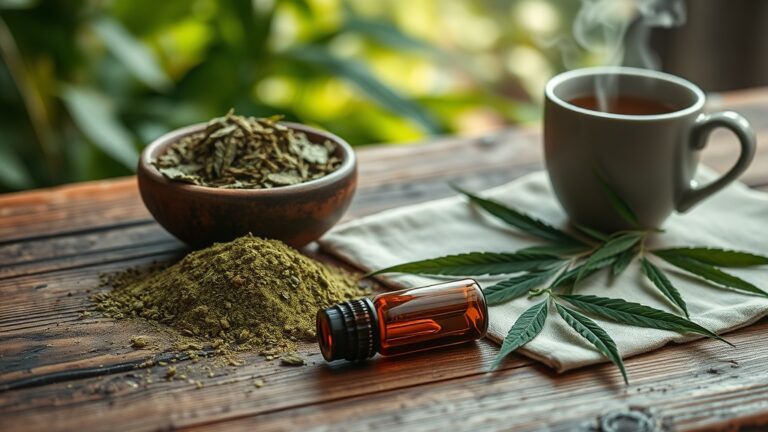




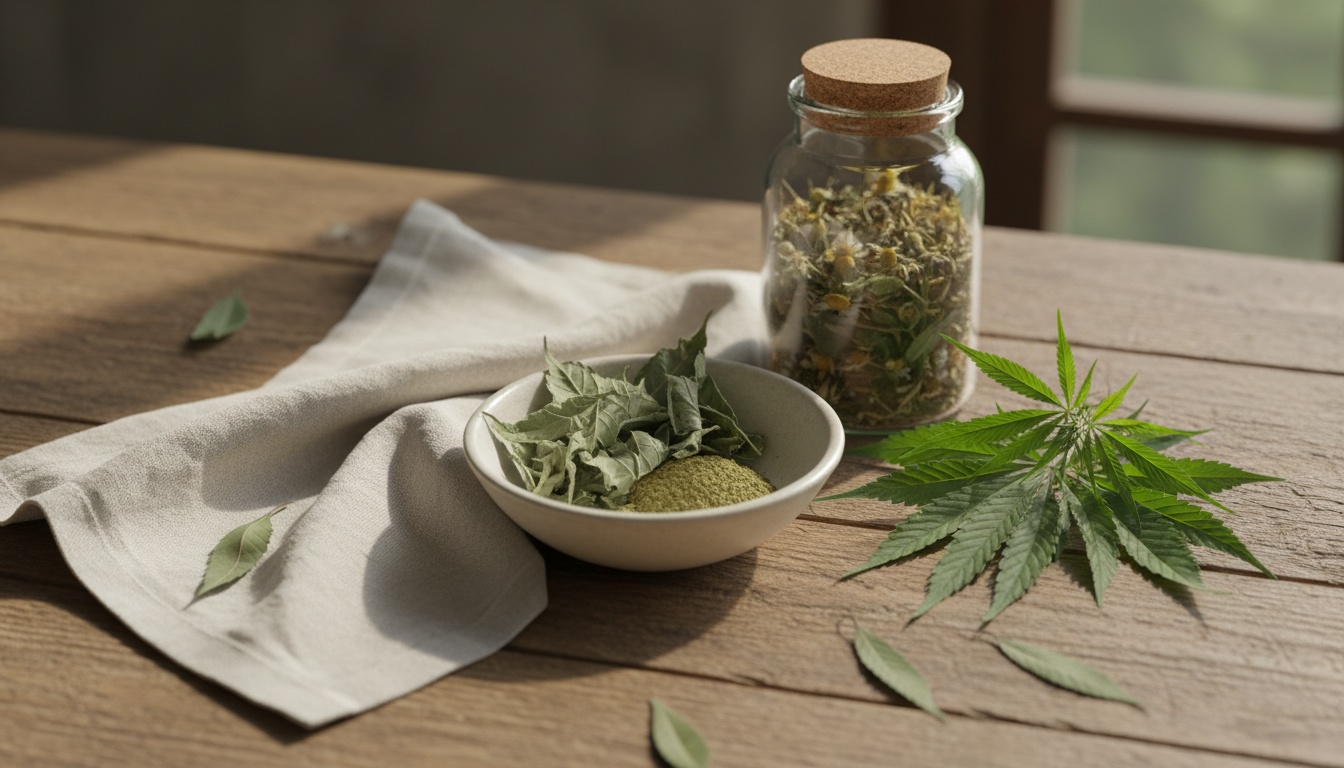
A lot of people use kratom and cannabis together. A 2024 study found that among kratom users, 92.81% reported having used cannabis at some point in their lives. That’s a striking overlap, and it’s easy to see why: both plants appeal to people looking for natural options outside the pharmaceutical mainstream, and both sit in murky legal and regulatory territory.
What’s harder to explain is how little research exists on what actually happens when someone uses both at once. People are combining these substances every day, largely on instinct, because science hasn’t caught up yet.
Is It Actually Safe to Combine Them?
The short answer, based on what we know now: there’s no documented evidence of a classic drug-to-drug interaction between kratom and cannabis or CBD. That’s somewhat reassuring.
But there’s a catch. “No documented interaction” doesn’t mean “proven safe together” — it mostly means nobody has run the studies. We’re working from a gap in knowledge, not a clean bill of health.
How your body handles the combination depends on a lot of individual factors: your own chemistry, the specific kratom strain, dosage, timing, even whether you’ve eaten recently. What one person experiences won’t necessarily tell you what to expect for yourself.
What New Research Is Telling Us
There’s one piece of real data worth paying attention to. A 2024 study out of the University of Florida looked at what happens biochemically when CBD and kratom are taken together, and the result was notable: CBD increased exposure to mitragynine — kratom’s main active compound — by roughly 2.8 times.
That’s close to triple the normal exposure level.
This was the first study to actually examine how these two substances interact inside the body, rather than just looking at whether people combine them. It suggests CBD isn’t a neutral bystander — it appears to change how the body processes mitragynine, which could affect both how strong the effects feel and how long they last.
The practical takeaway is straightforward: if you normally take a certain amount of kratom, adding CBD to the mix might make that same dose hit harder than you’re used to.
It’s also a reminder that knowing exactly what’s in your kratom matters. When a combination might amplify effects, working with a product of unknown or inconsistent potency adds risk on top of risk. Lab-tested kratom with a verified alkaloid profile at least gives you a stable starting point.
Why the Research Is So Thin
Kratom and cannabis run into the same wall when it comes to getting studied properly. Both are popular — kratom alone has grown into a billion-dollar market — and both draw plenty of everyday interest. But neither has FDA approval for wellness use, which makes funding and institutional research harder to secure. They sit awkwardly between “supplement” and “drug,” and that in-between status slows everything down.
Things are moving, just slowly. The FDA has started contracting some kratom safety research and has floated funding for botanical studies more broadly. Cannabis research is picking up too, as more states legalize it. But solid data on what happens when the two are used together is still likely years off.
In the meantime, people are left making decisions with incomplete information. That’s exactly why straightforward facts matter more than marketing claims.
Some Practical Ground Rules
If you’re thinking about trying kratom and cannabis together, it’s worth being deliberate about it.
- Learn each one on its own first. Use kratom by itself for a while. Try your cannabis or CBD product separately. Get a sense of your normal response to each before mixing them.
- Cut your dose when combining. Given that CBD may nearly triple mitragynine exposure, your usual kratom amount could feel a lot stronger than expected. Start lower than you think you need to.
- Space them out. Taking kratom and cannabis a few hours apart, rather than at the same time, makes it easier to tell which one is causing which effect.
- Listen to your body. If something feels off or unexpectedly intense, treat that as useful information, not something to push through.
- Keep notes. If you’re experimenting with timing or different products, write down what you take and how you feel. Patterns are easier to spot on paper than from memory.
- Know your local laws. Cannabis is still illegal at the federal level in the U.S., and kratom’s legal status varies by state and sometimes by county. Check before you buy or travel with either.
Why Product Quality Matters Even More Here
When two substances might amplify each other’s effects, consistency becomes a bigger deal. Kratom that’s been lab-tested for alkaloid content, and processed under proper manufacturing standards, gives you a known quantity to work from. Cannabis and CBD products deserve the same scrutiny — third-party testing, clear labeling, and traceable sourcing aren’t just nice extras. They’re basic tools for managing risk when you’re combining variables you don’t fully understand yet.
Where Things Stand
Kratom and cannabis have more in common than just their user base. Both industries are pushing for more research, better quality standards, and a shift away from stigma toward legitimate science. The 2024 CBD-kratom findings are an early data point, not a final answer — more studies will follow, and our understanding will get better over time.
Until then, the responsible path is to combine what’s actually known with honesty about what isn’t. That means respecting the research gaps, paying attention to your own body’s response, and choosing products that meet real testing standards rather than relying on guesswork.
Frequently Asked Questions
Can you mix kratom and marijuana safely?
There’s no documented traditional drug interaction between kratom and cannabis or CBD, but CBD has been shown to increase mitragynine exposure by about 2.8 times. Effects may be stronger than expected, so start with a lower dose if you’re combining them.
How long should I wait between taking kratom and cannabis?
Spacing doses a few hours apart gives you more control and makes it easier to tell which substance is causing which effect. There’s no fixed rule — pay attention to how you respond.
Does CBD interact differently than THC with kratom?
The research so far has focused on CBD, not THC. There’s no specific data yet on THC-kratom combinations. The same cautious approach applies regardless: start low and watch how you feel.
Should I reduce my kratom dose if I’m using cannabis?
Yes, that’s a reasonable precaution. Since cannabinoids appear to boost mitragynine exposure, dropping your usual kratom dose when combining the two makes sense. You can always increase it later based on experience.
Are some kratom or cannabis strains better matched than others?
No research has looked at specific strain pairings. Responses vary a lot from person to person, so the best approach is sticking with tested products and tracking what works for you.